





Why Winter Is So Tough on Skin
The arrival of cold weather brings a familiar trio of skin stressors: low humidity, biting winds, and dry indoor heating. This combination works together to strip the natural oils and water from your skin's outermost layer, known as the skin barrier.
A compromised barrier can't effectively hold onto moisture, leading to the tell-tale signs of winter skin: tightness, flaking, itchiness, and a generally dull appearance. Products that felt fine in the summer might suddenly start to sting, a clear signal that your skin's defences are down and it needs more supportive care.
The Promise of Fruit-Based Exfoliants
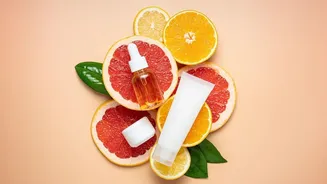
Enter fruit-based skincare, which offers a path to brighter, smoother skin. These products harness the power of ingredients derived from fruits like papaya, pineapple, citrus, and apples. Their main draw comes from two types of ingredients: fruit enzymes and alpha-hydroxy acids (AHAs). Enzymes like papain from papaya and bromelain from pineapple work by dissolving the protein bonds holding dead cells to the skin's surface. AHAs, such as citric acid from lemons, malic acid from apples, and glycolic acid from sugar cane, also work to unglue dead cells, promoting skin renewal. The result is a complexion that looks more radiant and can better absorb hydrating products.
The Hidden Risk: When 'Natural' Isn't Gentle
The crucial thing to remember is that 'natural' does not automatically mean 'gentle'. Both fruit enzymes and AHAs are chemical exfoliants. While effective, they can easily be overused, leading to a damaged skin barrier. This is especially true in winter when your skin is already vulnerable. Over-exfoliation strips the skin, causing redness, a burning sensation, persistent dryness, and increased sensitivity to your other products. Furthermore, AHAs increase your skin's sensitivity to the sun, making daily sunscreen use non-negotiable, even on cloudy winter days.
A Gentle Guide to Using Fruit Acids in Winter
You don't have to give up on the glow-boosting benefits of fruit treatments, but you do need to be strategic. Start by reducing frequency; if you were exfoliating three times a week, scale back to once a week and see how your skin responds. Always perform a patch test before trying a new product to check for sensitivity. When you do exfoliate, do it at night and immediately follow up with a robust, barrier-supporting moisturiser. Look for ingredients like ceramides, hyaluronic acid, glycerin, and niacinamide, which help hydrate and repair. If your skin feels tight, shiny, or stings when you apply water, that's a sign to stop all exfoliation for a few weeks and focus solely on gentle cleansing and moisturising until it feels calm again.
What to Look for and What to Avoid
When choosing a product, look for lower concentrations of acids, especially if you're new to them or have sensitive skin; an AHA concentration of 10% or less is a good starting point. Gentler AHAs like lactic acid can be a better choice for dry or sensitive types. Alternatively, consider products focused on fruit enzymes like papain and bromelain, which only work on the very surface and are often better tolerated by reactive skin because they don't depend on a low pH that can cause stinging. Avoid using multiple exfoliating products in the same routine, such as an acid serum followed by a scrub. The goal is controlled renewal, not aggressive stripping.