

The Dairy Foundation: Milk, Ghee, and Yogurt
Lord Krishna's childhood stories are filled with tales of his love for milk and butter, making dairy the heart of Janmashtami cuisine. A carton of full-cream milk, a jar of pure ghee, and a container of fresh yogurt (dahi) are non-negotiable. Milk is the base
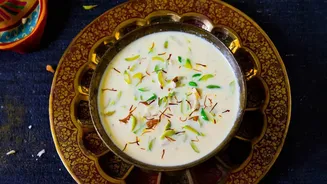
for creamy Kheer (rice pudding) and the sacred cleansing drink, Panchamrit. Yogurt is essential for both Panchamrit and savory dishes like Gopalkala, a mix of flattened rice (poha) and curd. Ghee is the indispensable cooking medium, used for frying puris, roasting flours for Panjiri, and adding a finishing touch of richness to almost every dish. You can also churn your own fresh white butter (makhan) from milk cream to make Makhan Mishri, Krishna's favourite offering.
Flour Power: Wheat and Gram Flour
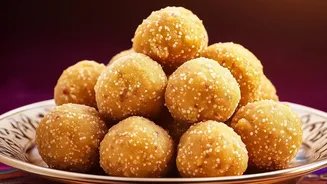
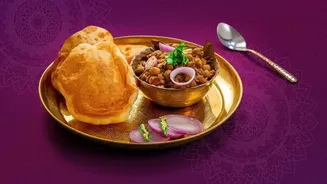
A complete meal needs breads and substantive sweets, and a couple of basic flours will cover your needs. Whole wheat flour (atta) is used for making soft puris, a classic festive bread that pairs with savory vegetable dishes. It's also the base for Panjiri, a roasted sweet meal traditionally offered as prasad. Gram flour (besan) is another versatile player. You can use it to create rich, melt-in-your-mouth Besan Ladoo, a beloved Indian sweet. Alternatively, use it to prepare savory pakoras (fritters) for the evening meal. With these two flours, you have the foundation for both sweet and savory preparations, covering a significant portion of a traditional thali.
Sweet Essentials: Jaggery and Sugar
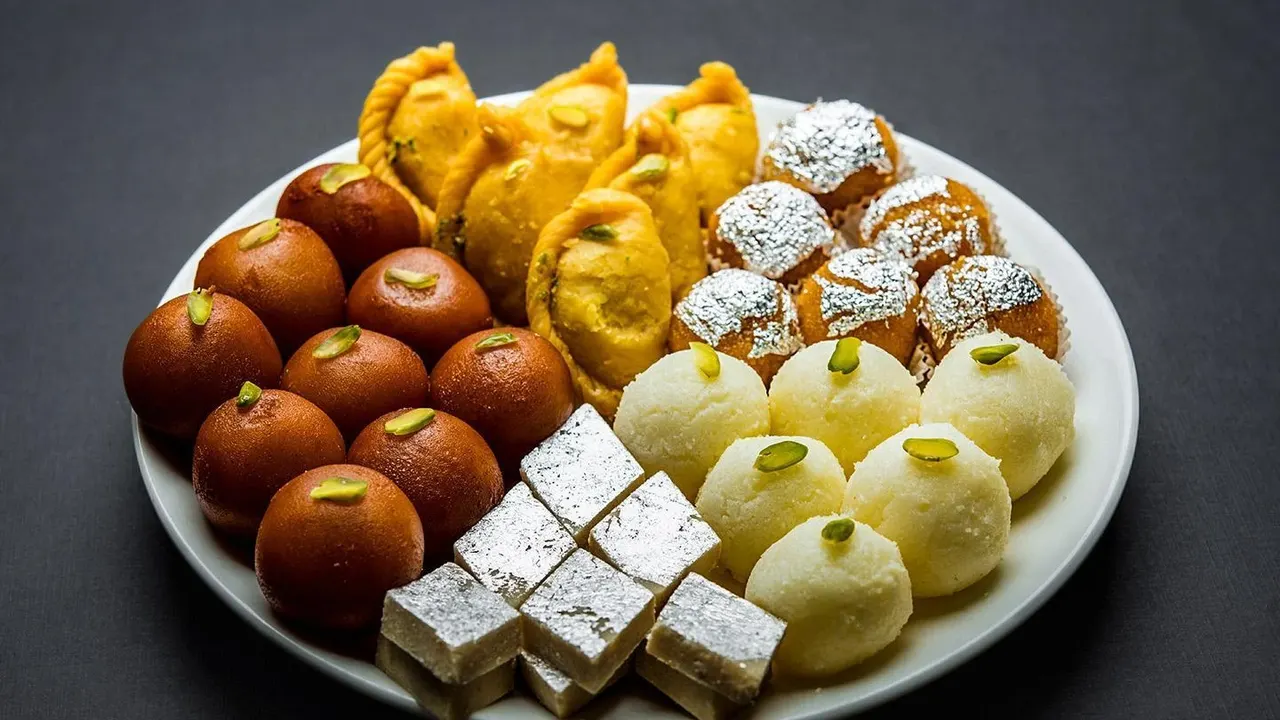
No festival is complete without sweets, and Janmashtami is no exception. A block of jaggery (gur) and a bag of sugar or mishri (rock sugar) are key. Jaggery lends a deep, caramel-like sweetness to dishes like Nei Appam (sweet wheat fritters) or can be used to make sweet aval (poha). Mishri is famously paired with fresh butter to create Makhan Mishri, a simple yet profound offering. Powdered sugar is essential for mixing into Dhaniya Panjiri and ladoos. These sweeteners are also crucial for balancing the five nectars of Panchamrit and for sweetening Kheer to perfection.
Aromatic Spices: Cardamom and Coriander
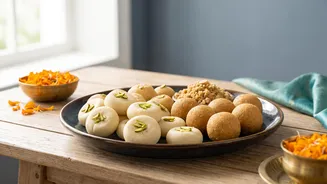
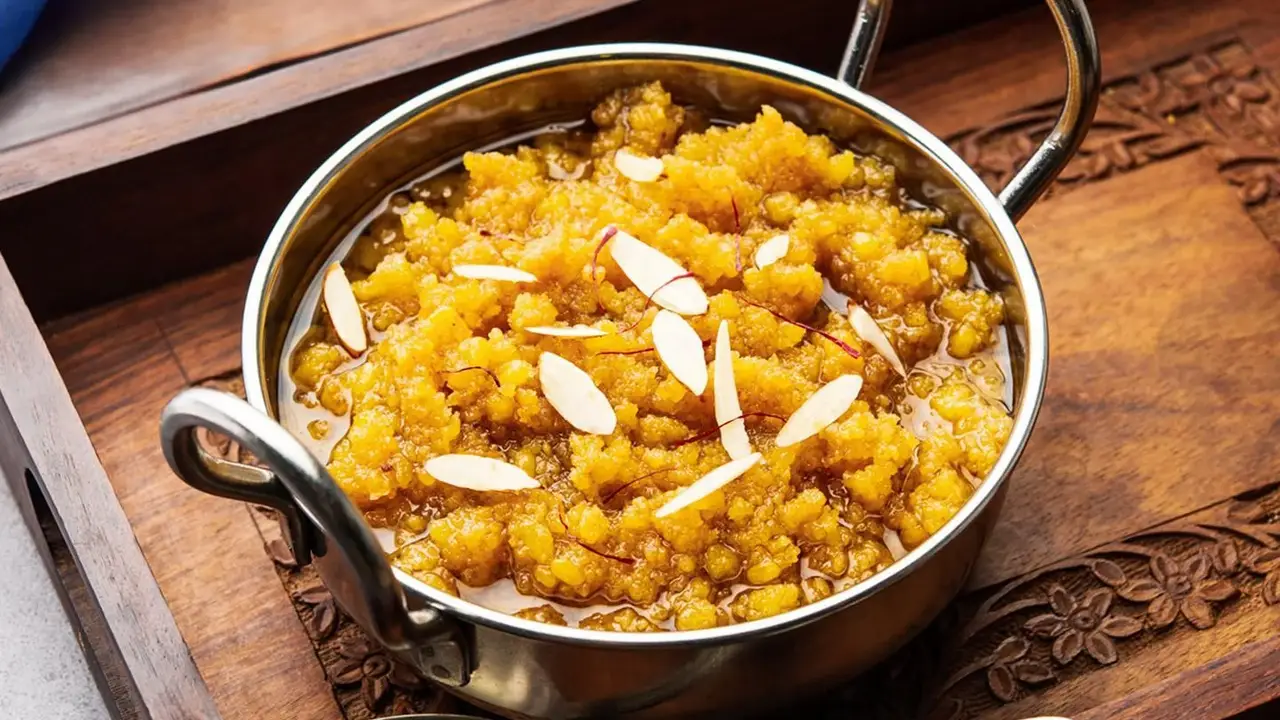
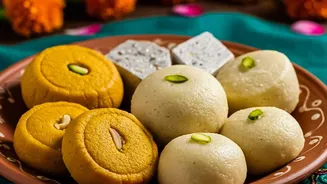
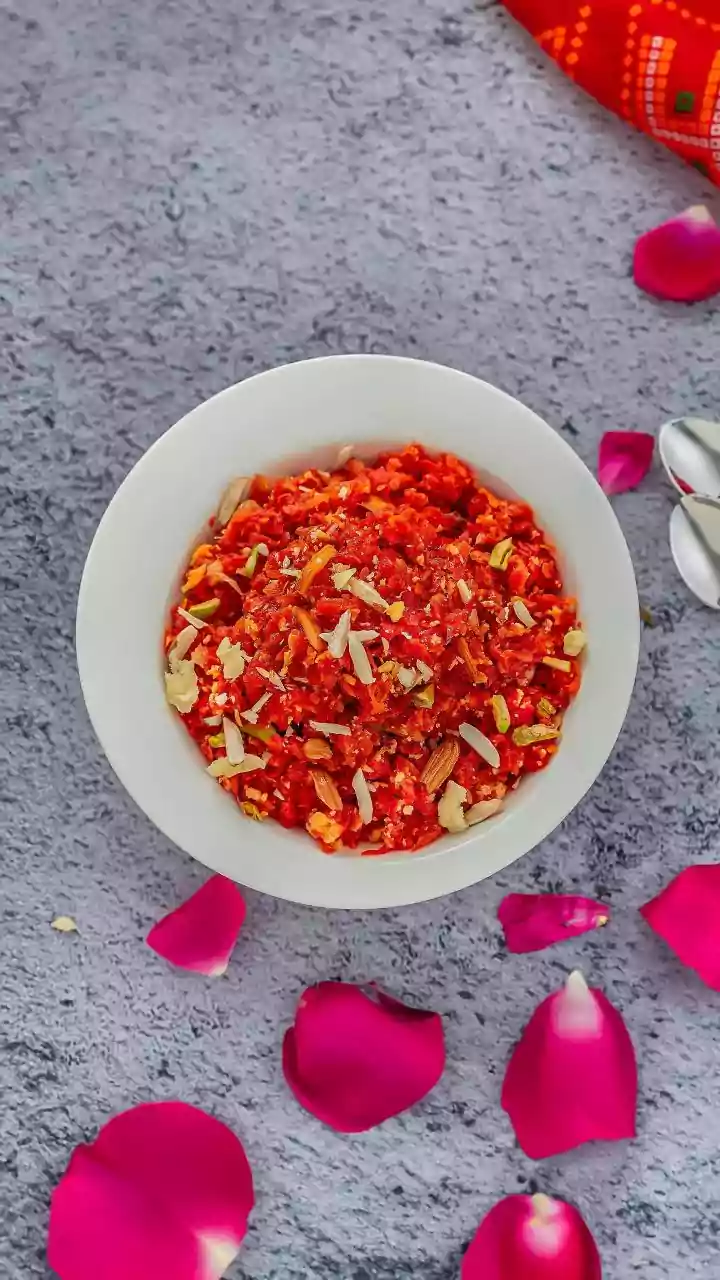
You don't need a whole spice box. Just two key aromatics can perfume your entire meal. Green cardamom pods (elaichi), ground into a powder, add a fragrant warmth to nearly every sweet dish, from Kheer and Peda to Panjiri. The other essential is coriander (dhaniya) powder. This forms the base of Dhaniya Panjiri, a unique prasad made by roasting coriander powder in ghee with sugar and nuts. It's a warming, earthy sweet that is specifically associated with Janmashtami and is often used to break the fast. These two spices provide the signature festive aroma.
Nuts and Fox Nuts: Almonds, Cashews, and Makhana
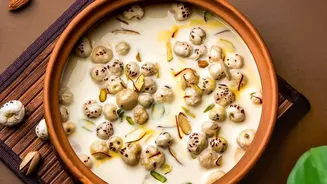
A small assortment of nuts adds texture, richness, and nutrition to your offerings. Almonds and cashews are multi-purpose heroes. They can be chopped and stirred into Panjiri, used to garnish Kheer, or mixed into sweets like ladoos. Phool Makhana (fox nuts) are another Janmashtami staple. They can be roasted in ghee for a simple, crunchy snack, added to Panjiri for texture, or cooked down with milk and sugar to make Makhana Paag or Makhana Kheer, a creamy and delicious dessert. These items elevate simple dishes and are considered auspicious additions to the bhog.
Fresh Elements: Coconut and Seasonal Fruits
Finally, bring in some freshness. A fresh coconut is incredibly useful. Its grated flesh can be stirred into Gopalkala or used as a filling for sweet patties. Desiccated coconut is a great addition to Panjiri and ladoos. Beyond that, a selection of seasonal fruits like bananas, apples, and pomegranates serves as a simple, pure offering on its own. They add color and natural sweetness to your thali and require no cooking, rounding out your meal with minimal effort. Fruits are an integral part of the Chappan Bhog (56 items) tradition and are an easy way to add variety.