





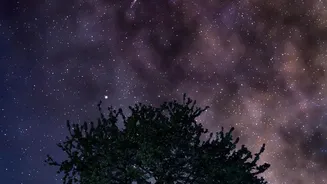
The Prime Viewing Window
Mark your calendars for the peak of the Orionid meteor shower, which will occur on the night of October 21-22, 2026. While the shower is active from early October to early November, your best chance to see the highest concentration of meteors is during
this peak. The ideal time to watch is in the pre-dawn hours, specifically after the moon sets. In 2026, the peak nights coincide with a bright waxing gibbous moon, which will wash out fainter meteors during the early part of the night. However, the moon will set around 3 a.m., leaving a window of dark sky until dawn. This period is your golden opportunity for the best viewing.
Find Your Dark Sky Sanctuary
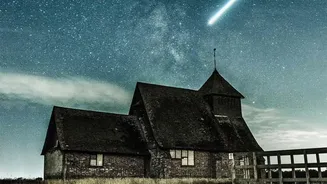
The single most important factor for a successful meteor shower viewing is getting away from city lights. Light pollution drastically reduces the number of meteors you can see, obscuring all but the very brightest. For a truly memorable experience, plan to travel to a location with dark skies, such as a rural park or a remote area at least a 30-minute drive from any major urban centre. The darker the location, the more shooting stars you will spot. You don’t need a mountain top; a flat, open area with an unobstructed view of the sky is perfect. Check a light pollution map online to find a suitable spot near you.
Why Your Eyes Are the Only Tool You Need
You can leave the telescope and binoculars at home. Meteor showers are best viewed with the naked eye because they streak across large sections of the sky. A telescope or binoculars have a very narrow field of view, meaning you'd likely miss most of the action. The key is to give your eyes time to adapt to the darkness, a process that takes about 20 to 30 minutes. During this time, avoid looking at bright screens like your phone, as white light will ruin your night vision. If you need a light, use a flashlight covered with red cellophane, which is less disruptive to your eyes.
Comfort is Key for Patient Skywatching
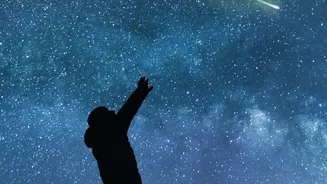
Since the best viewing happens in the cool, early morning hours, dressing warmly is essential. Bring layers of clothing, a hat, and gloves, even if the daytime temperatures were mild. Nothing cuts a skywatching session short like getting cold. A comfortable setup will allow you to watch for longer periods. A reclining lawn chair or a thick blanket on the ground will save you from neck strain. Lying on your back is the best way to take in as much of the sky as possible. Consider bringing a thermos with a warm drink and some snacks to make the experience more enjoyable as you wait for the cosmic display to unfold.
Cosmic Crumbs from a Famous Comet
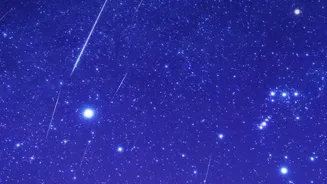
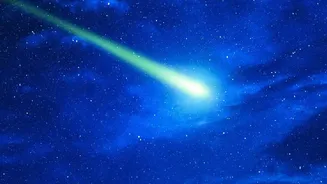
What you're seeing during the Orionid shower are tiny pieces of the most famous comet of all: 1P/Halley, or Halley's Comet. Each October, Earth passes through the trail of dusty debris left behind by the comet on its 76-year journey around the sun. When these particles, many no larger than a grain of sand, hit our atmosphere at incredible speeds—about 66 kilometres per second—they burn up, creating the brilliant streaks we call meteors. The Orionids are named because they appear to radiate from a point in the constellation Orion, but they can appear anywhere in the night sky. These meteors are known for their speed and can sometimes leave glowing trails that persist for a few seconds.