



Why Reopening Dates Are Just the Start
An official opening date for a national park or a tourist viewpoint marks the beginning of the season, not the end of your planning. Most national parks, for instance, close their core zones during the monsoon for animal breeding and to prevent vehicles
from getting stuck on washed-out tracks. While buffer zones may remain open, the experience is different. A reopening date is a green light from authorities, but it doesn’t tell you about the reality on the ground. The monsoon is notoriously unpredictable, with weather patterns becoming more erratic. A destination might be officially open but practically inaccessible due to a freshly collapsed road or a flash flood warning.
Check the Local Ground Reality
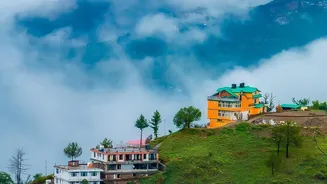
Before you even pack your bags, become a local news detective. Don't just check a generic weather app; look for hyper-local reports. Check the social media pages of district police or local travel groups for real-time updates on road conditions. Hill stations in the Himalayas and the Western Ghats are particularly vulnerable to landslides during heavy rains. A beautiful route on the map could be a blocked artery in reality. Call your hotel or homestay directly and ask specific questions: Are the roads leading to the property clear? Have there been any local disruptions? Are there any advisories from the local administration? Their on-the-ground knowledge is more valuable than any travel brochure.
Is Your Route as Ready as You Are?
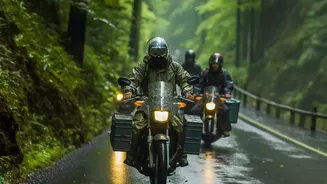
A monsoon road trip is about the journey, but only if it's a safe one. Before you leave, give your vehicle a thorough check: tyres, brakes, wipers, and headlights are your first line of defence on wet, slippery roads. Always plan your route with a backup. GPS is great, but it won't know if a low-lying bridge is submerged. Have an alternative route mapped out that avoids flood-prone areas. Start your journey early in the day to avoid driving in the dark, when poor visibility and hidden potholes become much greater hazards. And remember, slow travel is safe travel. Reduce your speed, maintain a greater distance from the vehicle ahead, and never try to drive through waterlogged roads if you can't judge the depth.
Pack for Health and Safety
Monsoon travel requires a specific packing list. Beyond a good raincoat and waterproof footwear with excellent grip, think about health. The rainy season brings an increased risk of water-borne and mosquito-borne illnesses like dengue and malaria. Pack a reliable insect repellent. It is also wise to avoid drinking water from untested sources; stick to bottled water or carry your own purifier. Your first-aid kit should include basics for cuts and scrapes, as well as medication for stomach issues, pain relief, and any personal prescriptions. Also, pack clothes that dry quickly; wet jeans are heavy and uncomfortable. And always have a waterproof bag or zip-lock pouches for your electronics and important documents.
Travel with a Conscience
The monsoon is a sensitive time for local ecosystems and communities. Heavy tourist traffic can strain resources and damage fragile landscapes. Opt for eco-friendly stays and homestays that support the local economy. These establishments are often run by locals who have a deep understanding of the region and can offer the most reliable advice. Be mindful of your waste; carry a bag to bring back any non-biodegradable trash. Avoid actions that could destabilize hillsides, like going off-track on treks or parking on unstable slopes. By travelling responsibly, you not only ensure your own safety but also help preserve the beauty of the destination for years to come.