





The Monsoon's New Temperament
For centuries, India has moved to the rhythm of the monsoon. But climate change is rewriting the music. Scientists have observed a significant shift in monsoon behaviour over the past few decades. The traditional pattern of steady, season-long rain is giving
way to long dry spells punctuated by short, extremely intense bursts of rainfall. Studies show that for every degree Celsius of warming, monsoon rainfalls are likely to increase by about 5%. This doesn't mean more water overall, but rather more chaotic and unpredictable downpours. This new volatility is driven by multiple factors, including rising global temperatures and complex atmospheric changes over the Pacific and Indian Oceans, making accurate prediction a growing challenge. This erratic nature threatens to disrupt everything from agriculture to the way we travel.
Peril in the Hills
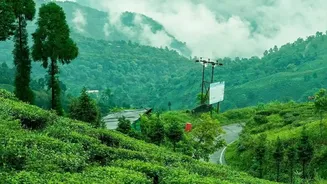
India's hill stations, from Shimla to Munnar, have always offered a cool escape from the plains. But their steep, scenic slopes are becoming increasingly hazardous. The new pattern of intense rainfall dramatically increases the risk of flash floods and landslides. The soil on these mountain slopes, when pounded by sudden, heavy rain instead of being gently soaked, gets washed away, leading to catastrophic mudflows. Recent events in the Himalayas have shown how quickly entire sections of roads and infrastructure can be destroyed, isolating communities and leaving tourists stranded. The very geology of these young mountains makes them fragile. This heightened risk not only endangers lives but also threatens the core appeal of these destinations, as unpredictable weather and damaged infrastructure make travel planning a gamble. A shorter, more dangerous rainy season could fundamentally alter the tourism calendar in the mountains.
Coasts Under Increasing Pressure
India's sprawling coastline, with popular destinations like Goa and Kerala, faces a dual threat. On one hand, rising sea levels are a slow, creeping menace, with projections suggesting a significant rise that could inundate low-lying areas. On the other, the changing climate is increasing the frequency and intensity of cyclones in the Arabian Sea, an area that was historically less prone to them. These powerful storms bring not just destructive winds but also major storm surges that accelerate coastal erosion, washing away beaches and threatening resorts built near the shore. Research in Goa has already identified major tourist hubs like Agonda and Palolem as highly vulnerable. Saltwater intrusion into freshwater sources is another growing concern, impacting local agriculture and the unique ecosystems, like the backwaters of Kerala, that are a major draw for tourism.
The Future of Indian Travel
The implications for the average traveller are profound. Planning a trip to a favourite beach or mountain retreat is becoming less predictable. The risk of encountering extreme weather events, closed roads, or eroded coastlines is growing. Foreign tourist arrivals already see a significant drop during the traditional monsoon months, and increased volatility could further squeeze the viable travel windows. For the millions of people in these regions whose livelihoods depend on tourism, the economic consequences are severe. The damage to infrastructure like roads, airports, and hotels represents a massive challenge for both local communities and state governments. The natural beauty that underpins the tourism industry—from coral reefs to pristine Himalayan trails—is itself at risk from these climatic shifts.
Adapting to a New Reality
While the outlook is concerning, it is not without hope. The current situation is a pressing call for adaptation and sustainable planning. For hill stations, this means enforcing stricter building codes, investing in better geological surveys, and developing advanced early warning systems for landslides. For coastal areas, the focus is shifting towards nature-based solutions like protecting and regenerating mangrove forests, which act as natural barriers against storm surges, rather than relying solely on concrete seawalls. The tourism industry itself must evolve, promoting off-season travel, diversifying attractions away from the most vulnerable spots, and educating tourists about responsible travel. Investing in climate-resilient infrastructure is no longer an option but a necessity to safeguard both lives and livelihoods in India’s most cherished landscapes.