


Essential Pre-Drive Vehicle Checks
Before you even think of starting your journey, a thorough vehicle inspection is non-negotiable. Start with the four points of contact: your tyres. Ensure they have adequate tread depth—at least 3mm is recommended for wet conditions to prevent aquaplaning.
Check the tyre pressure when they are cold. Next, inspect your brakes. Worn-out brake pads can be extremely dangerous on steep descents, so if you feel any judder or hear squealing, get them replaced. Your visibility systems are just as crucial. Test your windshield wipers; they should clear the glass in a single, clean swipe without leaving streaks. Also, top up your windshield washer fluid. Finally, check every single light: headlights (both low and high beam), tail lights, brake lights, and turn signals. A car that can see and be seen is fundamentally safer.
Mastering Night-Time Visibility
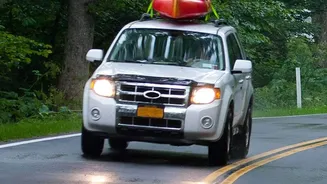
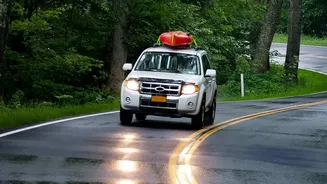
Driving in the Ghats at night, compounded by heavy rain or fog, can reduce visibility to almost zero. Your vehicle’s lighting system is your first line of defence. Ensure your headlights are clean and the lenses aren't yellowed or faded, as wet tarmac absorbs significantly more light. When driving in rain or fog, always use your low-beam headlights. Using high beams will cause the light to reflect off the raindrops or fog, blinding you and oncoming drivers. Check that your AC and defogger systems are working perfectly. A foggy interior windscreen can be just as dangerous as poor exterior visibility. The AC helps dehumidify the cabin, while the front and rear defoggers are essential for keeping glass clear.
The On-the-Road Driving Strategy
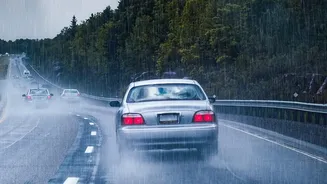
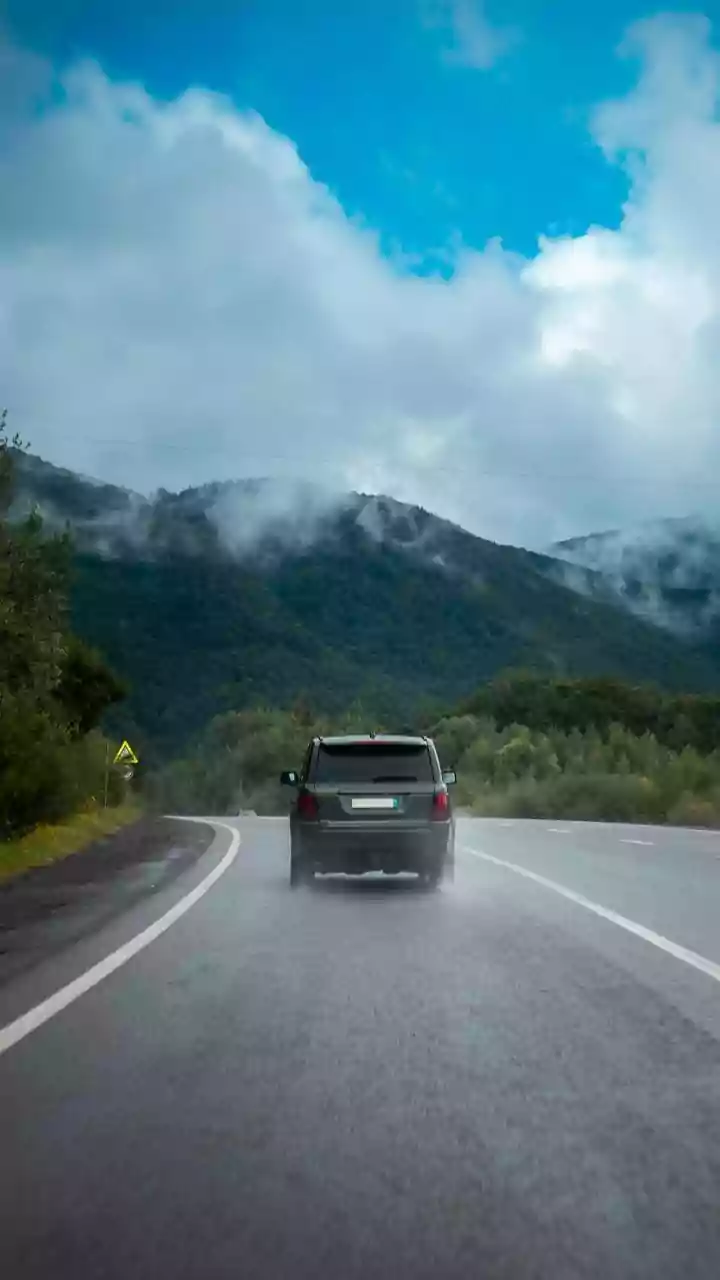
The rules of driving change dramatically on wet, winding Ghat roads. First and foremost, slow down. Your braking distance can more than double on wet surfaces, so reduce your speed and increase the following distance between you and the vehicle ahead. One of the most critical techniques is using engine braking on descents. Instead of constantly riding your brakes, which can cause them to overheat and fail, shift to a lower gear (like second or third). A good rule of thumb is to descend a slope in the same gear you would use to climb it. Honk liberally at blind turns to alert unseen vehicles. Lastly, never use cruise control in the rain; it can prevent you from reacting quickly if you start to hydroplane.
Packing Your Monsoon Emergency Kit
In the unpredictable environment of the Ghats, being stranded is a real possibility due to landslides or breakdowns. A well-stocked emergency kit is crucial for safety and comfort. Your kit should include basic safety items like a powerful flashlight with extra batteries, reflective warning triangles, and a high-visibility vest. For vehicle issues, pack jumper cables or a portable jump starter, a tyre inflator, and a basic toolkit. Given the poor network coverage in many Ghat sections, a fully charged power bank for your phone is essential. Also pack a comprehensive first-aid kit, along with non-perishable snacks and plenty of bottled water. An old blanket or extra clothing can be a lifesaver if you're stuck in the cold overnight.
Navigating and Communicating Effectively
Your smartphone is a powerful tool, but don't count on having a steady mobile signal throughout the Ghats. Before you leave, download offline maps of your entire route. This ensures you have navigation even when you're off the grid. Inform a friend or family member of your travel plans, including your intended route and estimated arrival time. This creates a safety net, as someone will know your whereabouts if you become uncontactable. Always start your journey with a full tank of fuel. Fuel stations can be few and far between in remote hilly areas, and getting stuck without fuel in the middle of the night during a downpour is a situation to be avoided at all costs. Plan for your journey to take longer than expected; rain and poor conditions will inevitably slow you down.