



Kaziranga: A Post-Monsoon Revival
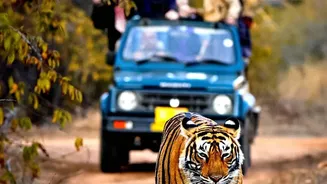
Home to two-thirds of the world's great one-horned rhinoceroses, Kaziranga National Park is Assam's crown jewel. While the park largely closes during the peak monsoon due to floods from the Brahmaputra, the post-monsoon season (from October onwards) is when
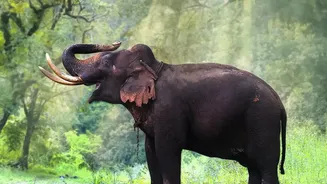
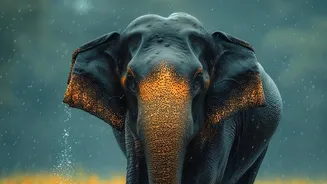
its magic is most potent. The floods recede, leaving behind replenished water bodies and intensely green grasslands. The landscape, cleared by the rains, offers clearer sightings of rhinos, elephants, wild water buffalo, and even the elusive Bengal tiger. The park's reopening marks a celebration of renewal, offering jeep safaris through ranges like Kohora and Bagori, where the air is fresh and the wildlife is abundant.
Majuli: Life on the River Island
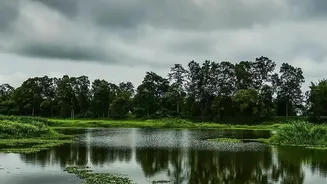
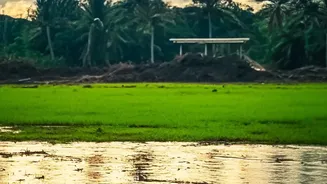
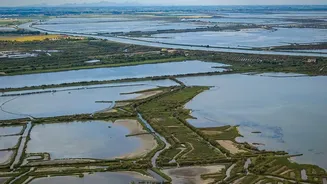
Majuli is not just the world's largest river island; it is a living, breathing testament to life intertwined with the Brahmaputra. Shaped and reshaped by the river's currents, the island is a unique cultural and ecological hotspot. Life here moves at a different pace, dictated by the seasons and the river's flow. Accessible by ferry, Majuli is home to the Mising tribe and the neo-Vaishnavite satras (monasteries) that are hubs of Assamese culture. The post-monsoon months offer lush green rice paddies, wetlands teeming with birds, and a chance to experience the serene, water-world lifestyle of the islanders who have adapted to the river's rhythm for centuries.
Manas National Park: Himalayan Foothill Majesty
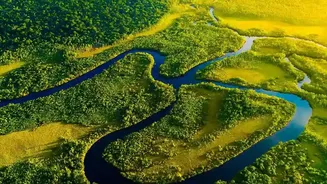
Resting at the foothills of the Himalayas, Manas National Park is a UNESCO World Heritage Site known for its stunning landscapes and rare wildlife. The Manas River, a tributary of the Brahmaputra, flows through the park, creating a vibrant ecosystem of dense forests and grasslands. This biodiversity hotspot is a sanctuary for species like the golden langur, pygmy hog, and Assam roofed turtle, alongside tigers and elephants. A river safari on the water offers a unique perspective of the forest and its inhabitants, blending the thrill of adventure with the tranquility of the rain-fed wilderness. The blend of Himalayan scenery and riverine plains makes Manas a truly captivating escape.
Dibru-Saikhowa: A Biosphere of Extremes
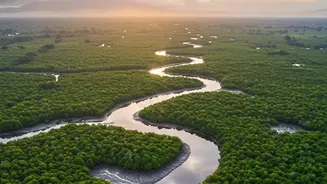
Located on the floodplains of the Brahmaputra and Lohit rivers, Dibru-Saikhowa is a national park and biosphere reserve of immense biodiversity. It is a unique landscape of semi-evergreen forests, moist deciduous forests, and the largest salix swamp forest in northeastern India. One of the few parks open year-round, its beauty is amplified after the rains. Dibru-Saikhowa is famed for its population of feral horses, descendants of army horses from World War II, as well as the endangered white-winged wood duck. A boat journey through the park's river channels and beels (wetlands) is the primary way to explore, offering an immersive experience in this wild, water-logged world.