






Meet Your Gut Microbiome
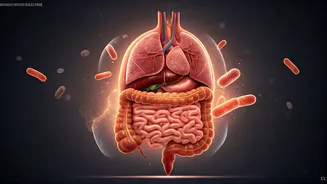
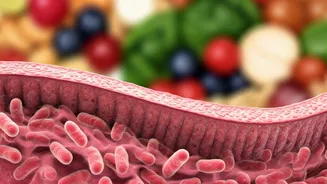
Before we talk about fibre, we need to talk about the trillions of tiny organisms living in your digestive tract. This bustling community of bacteria, viruses, and fungi is known as your gut microbiome. [17] Think of it as a complex internal ecosystem
that plays a crucial role in everything from digestion and immunity to mood and overall health. [17, 20] A healthy, diverse microbiome is essential for your well-being. When the 'good' bacteria flourish, they help break down food, produce vital nutrients, and protect you from harmful pathogens. [7] An imbalance, however, can contribute to a host of issues. This is where dietary fibre steps in as the preferred food source for these beneficial microbes. [17, 20]
Fibre: More Than Just 'Roughage'
For years, fibre was simply known as 'roughage'—something to help with regular bowel movements. While that's true, its role is far more significant. [23] Dietary fibre is a type of carbohydrate that your body can't digest. [17] Instead of being broken down and absorbed, it travels relatively intact to your large intestine, where your gut bacteria get to work. [21] This process of fermentation by gut bacteria produces beneficial compounds called short-chain fatty acids (SCFAs). [8, 19] These SCFAs have anti-inflammatory effects and provide energy for the cells lining your colon, supporting both gut and metabolic health. [19]
Soluble vs. Insoluble: The Two Faces of Fibre
Not all fibre is created equal. It's broadly classified into two types: soluble and insoluble, and you need both. [4, 17]
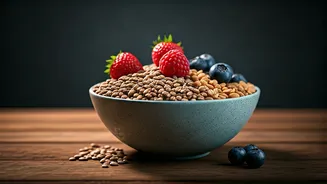
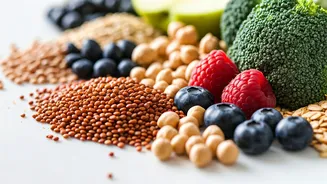
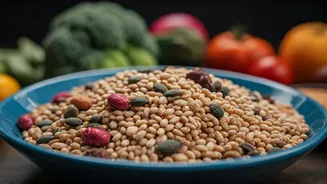
Soluble fibre dissolves in water to form a gel-like substance. [3, 23] This process slows down digestion, which helps control blood sugar spikes and can lower 'bad' LDL cholesterol levels. [3, 18] It also helps you feel fuller for longer, aiding in weight management. [18] Great sources include oats, barley, dals (lentils), beans, apples, and carrots. [3, 23]
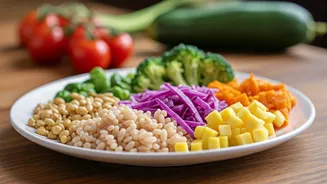
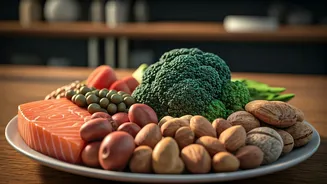
Insoluble fibre does not dissolve in water. Instead, it adds bulk to your stool and attracts water, making it softer and easier to pass. [4, 20] This is the fibre that is most effective at preventing and relieving constipation. [18, 20] You can find it in whole-wheat products, brown rice, millets (like jowar and bajra), nuts, and vegetables like cauliflower and bhindi (okra). [2, 3]
Prebiotics: Feeding Your Inner Garden
You've likely heard of probiotics—the live beneficial bacteria found in fermented foods like yogurt. [5] Prebiotics, on the other hand, are the food for these bacteria. [7, 10] Essentially, many types of dietary fibre function as prebiotics. [8, 9] They are specialized plant fibres that resist digestion and reach the colon, where they selectively nourish beneficial bacteria like Bifidobacterium and Lactobacillus. [8, 9] Think of it this way: probiotics are the seeds you plant in your gut's garden, and prebiotics are the fertilizer that helps them grow and thrive. [7] This symbiotic relationship is key to maintaining a balanced and robust microbiome. [8]
How Much Fibre Do You Need?
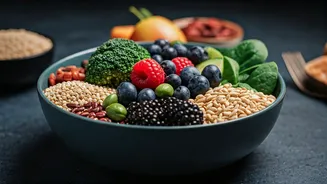
The Indian Council of Medical Research (ICMR) suggests adults should aim for about 30-40g of fibre per day. [11, 22] However, studies show that many urban Indians consume only about 15g per day—roughly half the recommended amount. [6] Closing this 'fibre gap' doesn't have to be complicated. Small, consistent changes can make a huge difference. Swapping white rice for brown rice or millets, choosing whole-wheat roti, and adding a serving of dal or legumes to your daily meals are excellent starts. [2, 6] Including a variety of seasonal fruits and vegetables, like guava, apples, spinach, and beans, will also significantly boost your intake. [12, 16] Remember to increase your fibre intake gradually and drink plenty of water to help your digestive system adapt and prevent bloating or discomfort. [21]