






The New Stars of the Supermarket
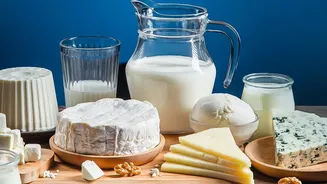
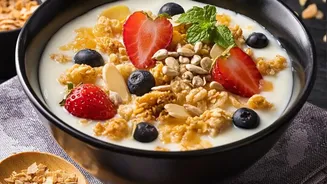
A walk through any modern grocery store reveals a clear trend. Thick Greek yogurts in various flavours, protein-enriched milkshakes, and convenient cheese snacks are no longer niche items but staples for many shoppers. This shift is part of a larger boom
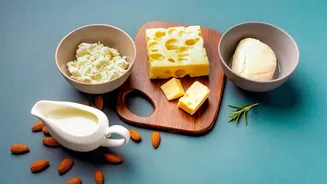
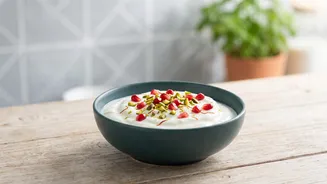
in the 'value-added' dairy market, which includes products processed to offer enhanced nutritional benefits, convenience, or flavour. According to market intelligence platform 1Lattice, this segment grew from ₹85,000 crore to over ₹1.46 lakh crore between FY20 and FY25. For major companies, this is a key area of focus; at Mother Dairy, for instance, these products now make up 28% of dairy revenue, a significant jump from just five years ago. Products like Greek yogurt, Skyr, and probiotic drinks are leading the charge, catering to a new generation of Indian consumers.
An Appetite for Wellness and Convenience
What’s driving this massive change? The primary engine is a growing consciousness around health and wellness. Indian consumers are increasingly aware of the importance of nutrition, with protein at the top of the list. One 2026 report from Innova Market Insights highlighted that 69% of consumers in India are actively trying to add more protein to their diets. This is coupled with the realities of modern urban life. With busy schedules, consumers are looking for convenient, ready-to-eat options that don’t compromise on nutrition. A high-protein yogurt cup or a fortified milk beverage serves as a quick breakfast, a post-workout recovery snack, or a healthy dessert alternative, fitting seamlessly into a fast-paced lifestyle.
Traditional Tastes, Modern Twist
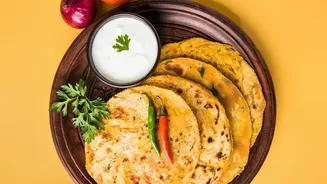
This trend isn’t entirely about replacing traditional dairy but rather about supplementing and modernising it. India is the world's largest milk producer, and dairy products like paneer, dahi, and ghee are deeply woven into the culinary fabric of the nation. What's happening now is that even these traditional favourites are getting a premium, health-focused makeover. Paneer is being marketed for its high protein content, while ghee is being celebrated as a 'superfood'. At the same time, new products are often adapted for the Indian palate, with brands launching savoury Greek yogurt flavours like mint-coriander to be used as dips. This blend of the familiar with the functional allows consumers to embrace new health trends without abandoning cultural tastes.
The Millennial and Gen Z Effect
Younger, urban consumers are at the forefront of this protein wave. Millennials and Gen Z are more digitally connected, exposed to global health trends, and willing to experiment with new products. This demographic is also driving the growth of quick commerce, where services deliver groceries in minutes, making these premium dairy products more accessible than ever. The trend is also spreading beyond the metros. Data shows that demand for protein-rich foods is growing even faster in Tier-2 cities like Nagpur and Jaipur, indicating a nationwide shift in dietary priorities.
A Nutritional Gap and a Market Opportunity
Despite this growing obsession with protein, a significant nutritional challenge remains. According to some research, as many as 73% of Indians are deficient in protein, creating a major gap between awareness and actual consumption. This gap represents a massive opportunity for the food industry. Major dairy players like Amul, Nestlé, and Parag Milk Foods are rapidly expanding their portfolios to meet this demand, introducing everything from protein-fortified snacks to high-protein yogurt lines. The growth is not just in dairy; the entire protein product market in India is projected to expand dramatically in the coming years. This suggests that the protein-rich dairy products on our shelves today are just the beginning of a long-term transformation in how India eats.