







Beyond Pakoras and Chai
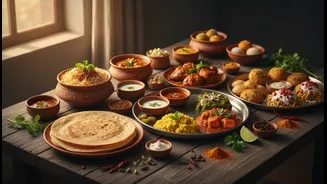
For generations, the soundtrack of a rainy day in India has been the sizzle of pakoras hitting hot oil, best enjoyed with a steaming cup of chai. While that classic combination remains a beloved comfort, a new chapter in monsoon dining is being written
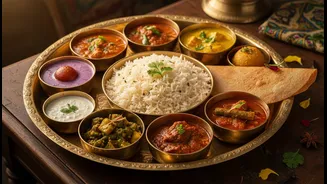
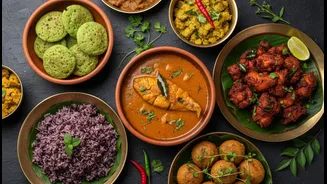
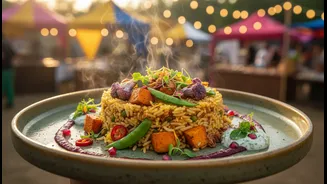
in restaurants across the country. Chefs and restaurateurs are looking past the deep fryer and into the larder of Mother Nature, celebrating ingredients that are not just seasonal, but deeply rooted in the local landscape. The focus is shifting from generic comfort food to dishes that tell a story of a specific place and time. This trend sees chefs reinterpreting traditional monsoon favourites into more sophisticated, and often healthier, versions.
The Hyperlocal Harvest
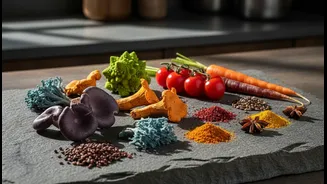
The buzzword is "hyperlocal." This isn't just about sourcing from the same state; it's about building relationships with farmers in nearby communities, championing indigenous crops, and designing menus around what's available just a few kilometres away. This movement celebrates India's incredible biodiversity, bringing forgotten vegetables and wild greens from forests and local farms onto fine-dining plates. Think of monsoon greens like phodshi (a wild, onion-like vegetable from Maharashtra), wild mushrooms from Goa, or unique gourds like parwal and kundri, which are at their peak during the rains. This approach ensures peak freshness and flavour, reduces the carbon footprint associated with long-distance food transport, and provides crucial support to local agricultural communities.
Chefs on a Mission
This culinary evolution is being led by passionate chefs who are turning into champions for regional produce. Across cities like Delhi, Mumbai, and Bengaluru, chefs are creating special monsoon menus that highlight these local treasures. In Delhi, for example, there's a focus on immunity-boosting ingredients like turmeric and ginger, and hyper-seasonal produce like jamun and local mushrooms. At the Taj Agra, the monsoon menu features a Jamun Chaat Tart, a modern take on street food using the freshly plucked seasonal fruit. Others are exploring the culinary possibilities of ingredients like buckwheat greens from Uttarakhand or bamboo shoots, a staple of Northeast Indian cuisine. This isn't just a trend; it's a movement to preserve and elevate India's diverse food traditions.
Good for You, Good for the Planet
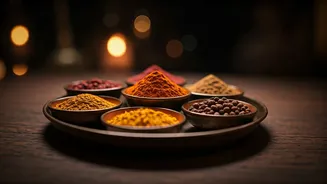
This shift towards local, seasonal eating aligns with a growing consciousness among diners about health and sustainability. Monsoon-specific ingredients are often exactly what the body needs during this season—light, easy to digest, and packed with immunity-boosting properties. For instance, gourds like lauki and turai have high water content, while greens and spices like ginger and turmeric aid digestion and fight inflammation. Beyond personal health, the hyperlocal movement has a significant positive impact on the environment. It shortens supply chains, reduces food miles, and encourages agricultural practices that are in sync with natural cycles, preserving soil health and biodiversity. By choosing to eat local, diners are participating in a system that supports both their own well-being and the health of the planet.