





The Unpredictable Indian Journey
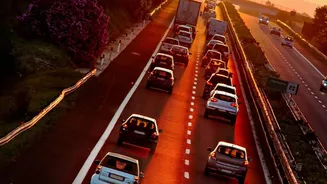
Travel in India is an adventure, but it often comes with a dose of unpredictability. Heavy monsoons can wash away roads, construction projects can shut down highways for months, and public demonstrations can bring city traffic to a standstill. As recently
as July 2026, a key section of National Highway 61 in Malshej Ghat, a popular monsoon destination, was closed indefinitely due to severe subsidence after heavy rain. This affects not just tourists but also the movement of goods, showing how quickly a critical link can be severed. Similarly, Indian Railways frequently announces cancellations and diversions for maintenance and safety work, impacting thousands of passengers daily. These challenges are a regular part of the Indian travel experience, making it essential for travellers to be prepared for sudden changes.
Your First Line of Defence: Digital Tools
In the age of smartphones, your first step in checking for disruptions should be digital. Navigation apps like Google Maps and the home-grown Mappls are indispensable. They provide real-time traffic updates by aggregating data from millions of users, showing you live congestion with colour-coded lines. More importantly, these apps allow users to report hazards like accidents, waterlogging, and road closures. This crowd-sourced information is often the fastest way to learn about a sudden problem on your route. Google Maps has even partnered with traffic police authorities in major cities to show official closures and disruptions. Apps like Mappls also offer safety alerts for potholes and other road hazards, making your drive smoother and safer.
Official Channels for Reliable Information
For planned closures and authoritative updates, it is best to consult official sources. The National Highways Authority of India (NHAI), responsible for managing India's national highways, often issues advisories through the police and its own channels when major routes are affected. Many state and city traffic police departments have websites or social media accounts where they post real-time updates on diversions and closures. For train travel, the National Train Enquiry System (NTES) is the official source for all information. Its website and mobile app provide live train running status, including delays, cancellations, and expected arrival times, making it a must-have for railway passengers.
Beyond Roads: Flights and Attractions
Travel disruptions aren't limited to the road. Flight delays and cancellations are also common due to weather, technical issues, or air traffic congestion. Airlines are required to keep passengers informed, so downloading your airline's app and enabling notifications is crucial for getting real-time updates. Similarly, before visiting national parks, temples, or other tourist attractions, especially during specific seasons or holidays, a quick check of their official website or a phone call can save you a wasted trip. Local news outlets are also an excellent source for information on strikes or local events that might lead to closures.
How to Build a Resilient Itinerary
Knowing about a closure is half the battle; the other half is having a plan. When planning any trip, it is wise to build a flexible itinerary. Always have a potential backup route in mind for road trips. If you're travelling a long distance, factor in extra buffer time to account for unexpected delays. This is especially true when travelling during peak seasons or in regions prone to adverse weather. Before you leave, check multiple sources: your navigation app for live traffic, the local traffic police page for official announcements, and maybe even a quick scan of local news. Combining these sources gives you the most complete picture of the conditions ahead.