



The New Meaning of 'Value'
For a growing number of Indian shoppers, value is no longer just about the lowest price tag. It's about intelligent spending. Consumers are now evaluating the 'cost per wear'—investing in higher-quality, timeless pieces that can be worn repeatedly in multiple
ways. This shift is driven by a desire for durability and functionality. Instead of buying several low-quality items that fall apart after a few washes, people are choosing garments that last. This mindset is visible not just in smaller towns but also among affluent urban consumers who can afford more but choose to buy smarter. They are seeking fashionable, trend-relevant apparel at prices that feel justified by the value delivered, moving beyond logos to a mix of design, utility, and freshness.
The Rise of Conscious Consumerism
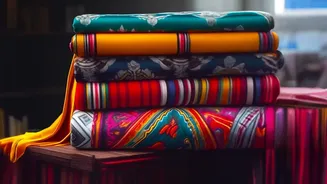
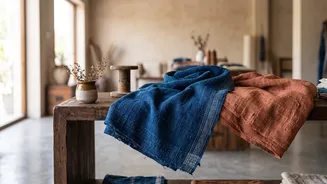
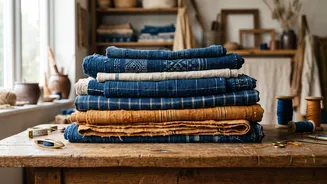
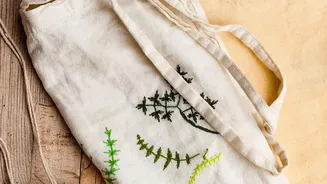
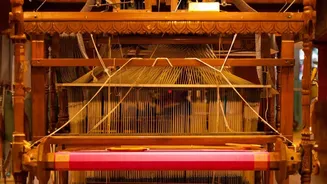
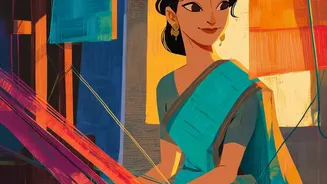
Sustainability is no longer a niche concept in India; it's becoming a mainstream expectation. There's a rising awareness about the environmental and ethical impact of fast fashion, prompting a shift towards more mindful consumption. Consumers are increasingly seeking out brands that are transparent about their sourcing and labour practices. This has led to a greater appreciation for homegrown labels that champion traditional techniques like handloom weaving and natural dyeing. Brands are responding by telling stories about the artisans behind their products, which reframes a purchase as a contribution to a social ecosystem and encourages buyers to cherish and re-wear their clothes. Research shows that a significant majority of Indian consumers, particularly millennials and Gen Z, now consider sustainability when making fashion purchases.
The Capsule Wardrobe, Desi Style
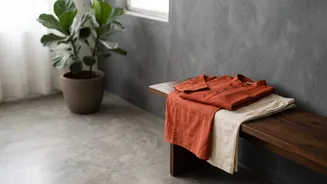
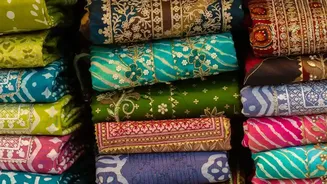
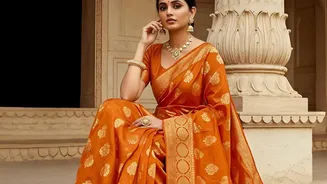
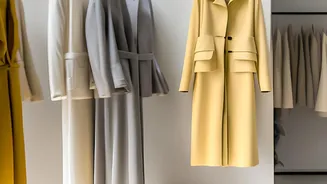
The idea of a 'capsule wardrobe'—a curated collection of versatile essentials—is gaining significant traction. However, the Indian version looks different from its Western counterpart. It's not about a monochrome palette of trench coats and blazers. Instead, it's built around breathable, climate-appropriate fabrics like cotton, linen, and handloom textiles that work for India's varied weather. A typical Indian capsule might include 20-30 pieces, such as solid-coloured kurtis, versatile bottoms like palazzos or cigarette pants, a few ethnic sets, and mix-and-match dupattas. The genius lies in its fusion-friendly nature, where a kurti can be paired with jeans or ethnic trousers can be styled with a simple western top, creating endless outfit combinations for work, festivals, and daily life.
A Quest for Personal, Uncluttered Style
Beyond economics and ethics, this trend is also about a move towards individuality. Younger consumers, in particular, are looking for fashion that feels personal and expressive, rather than simply following fleeting, mass-produced trends. The pandemic also played a role, shifting priorities towards comfort and practicality as work-from-home became the norm. This led to a decluttering of both physical spaces and personal style. An overflowing wardrobe is now often seen not as a sign of abundance, but of a lack of clarity. By focusing on fewer, better pieces, shoppers are finding it easier to define their personal style, reduce decision fatigue, and feel more confident in clothes they genuinely love to wear.