




Create Dedicated Zones for Daily Tasks
A huge amount of time is wasted simply moving around the kitchen gathering items. The principle of 'zoning' groups everything you need for a specific task in one place. Start with a breakfast and chai/coffee station. Keep your tea leaves, coffee powder,
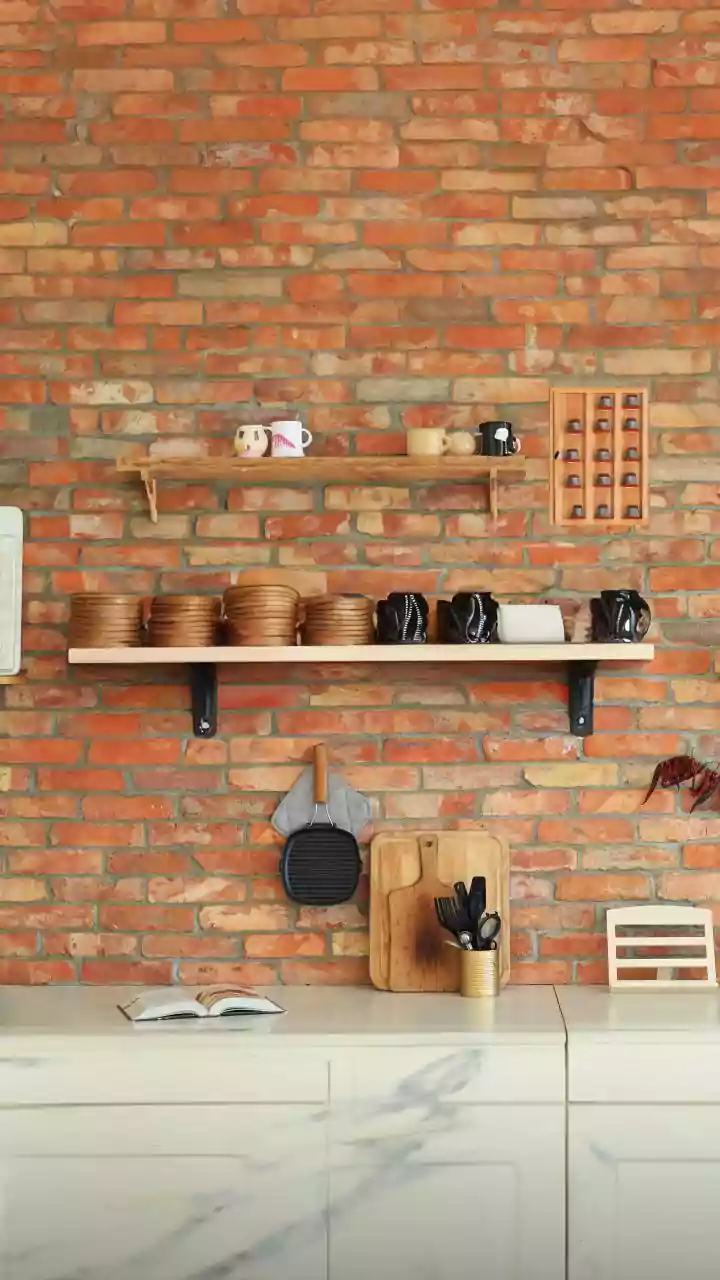
sugar, mugs, and breakfast bowls in one dedicated cabinet or shelf near the kettle and stove. Similarly, create a 'tiffin zone' with lunchboxes, small containers, and wrapping materials grouped together. During festive prep, this logic is even more crucial. A 'frying station' with your slotted spoons, paper towels, and wire racks next to the kadai, or a 'roti station' with your rolling pin, board, and dry flour container can make the workflow seamless. You’re no longer searching; you’re simply reaching.
Prep Ingredients, Not Just Full Meals
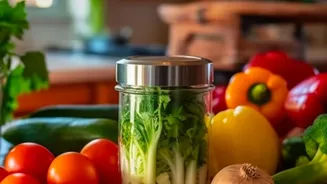
While full meal prep can be daunting, prepping core ingredients is a game-changer for Indian cooking. On a less busy day, dedicate an hour to tasks that slow you down mid-recipe. You can prepare a large batch of onion-tomato masala or ginger-garlic paste and store it. Similarly, you can chop vegetables like carrots, beans, and onions and keep them in airtight containers in the fridge. Peeling garlic, boiling potatoes, or roasting and grinding spices in advance are other small steps that save significant time later. When you're ready to cook, half the work is already done. This approach is perfect for festival dishes like biryanis, kormas, and curries that have many components.
Decant, Label, and Go Vertical
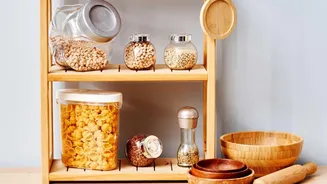
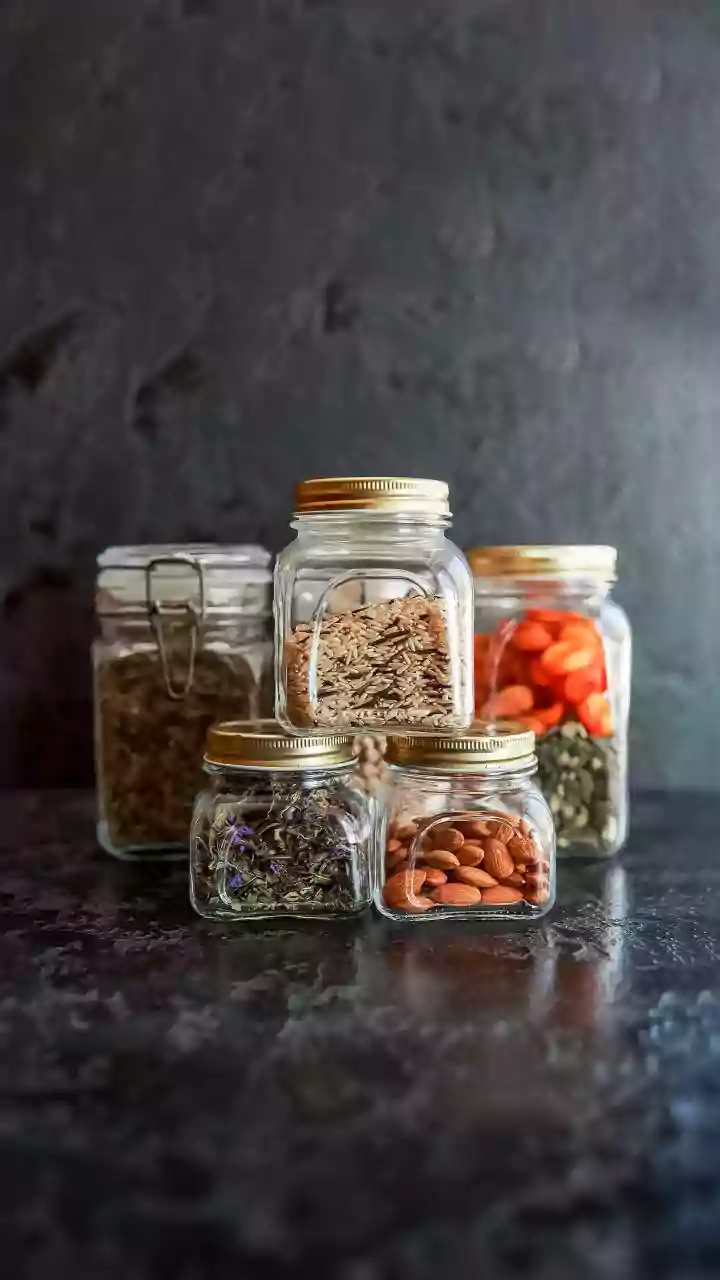
Visual clutter is a major time-waster. Fumbling through mismatched packets of masalas, dals, and grains costs minutes every single time. The solution is to decant everything into clear, uniform, airtight containers. Label them clearly. This way, you can see exactly what you have and how much is left with a single glance, preventing last-minute runs to the shop for turmeric or cumin. Don't forget to use vertical space. Many Indian kitchens are short on counter area but have wall space. Installing simple wall shelves for your most-used spices or using tiered racks inside cabinets can double your storage capacity without taking up valuable prep surfaces. Stacking containers also ensures that the items at the back don't get lost and forgotten.
Organise by Recipe or Frequency
Think about the dishes you make most often. For daily meals like dal, keep the tur dal, masoor dal, turmeric, salt, and tadka spices (mustard seeds, cumin) in one basket or section of your pantry. For festive specials like kheer, group the specific rice, sugar, cardamom, nuts, and saffron in a 'dessert kit'. This 'grab-and-go' system means you pull out one basket instead of ten different items. It drastically reduces the mental load and physical steps required to start a recipe. It also makes it easier for other family members to help, as they can simply grab the designated basket for the dish they are helping with, without needing to know where every single ingredient is stored.
Reset Your Kitchen Every Night
A productive morning begins the night before. Before going to bed, take 15 minutes to reset your kitchen. This doesn't mean a deep clean. It means clearing and wiping the counters, loading the dishwasher or washing the day's final dishes, and putting away any stray items. Waking up to a clean, organised space has a powerful psychological effect. It removes the immediate obstacle of having to clean up yesterday's mess before you can even start making today's breakfast. This small habit ensures you begin your festive morning with a clear counter and a clear mind, ready to tackle the day's cooking with energy and focus rather than frustration.