




Beyond Just Reaching Orbit
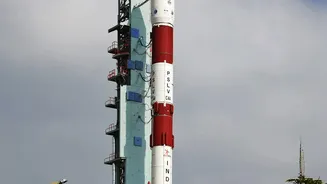
For decades, the primary challenge for any space agency was getting things into orbit. ISRO mastered this, becoming a global leader in launching satellites reliably and affordably. But in the crowded arena of modern space exploration, just being a launch provider
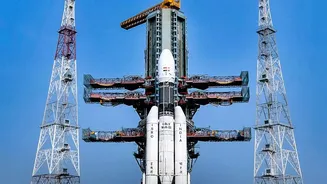
isn't enough. The new frontier is about making space assets smarter, more autonomous, and fundamentally more secure. While continuing ambitious projects like the Gaganyaan human spaceflight program, ISRO is quietly laying the groundwork for a strategic pivot. The agency is investing heavily in two transformative fields: artificial intelligence to create 'intelligent' satellites and quantum mechanics to build hacker-proof communication networks. This isn't just a technological upgrade; it's a strategic move designed to position India as a leader in the next generation of space infrastructure, one where data is as valuable as rocket fuel.
What Makes a Satellite 'Intelligent'?
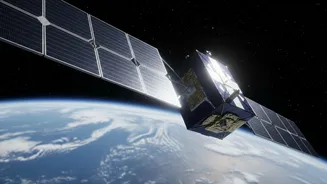
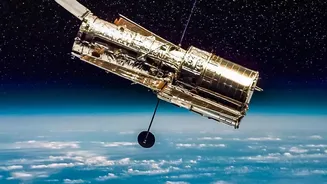
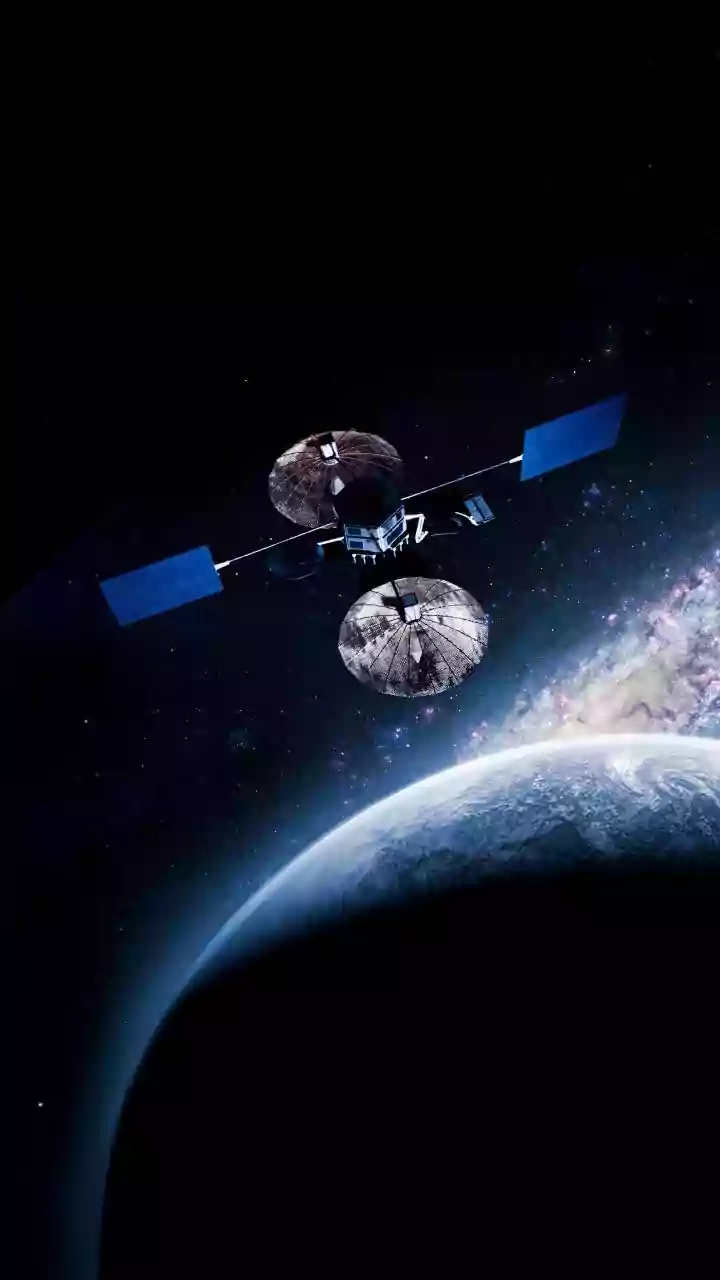
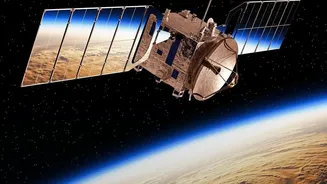
Traditionally, satellites have been little more than sophisticated relays in the sky. They collect enormous amounts of raw data—images, signals, atmospheric readings—and beam it all back to Earth for processing. This creates a significant time lag and a data bottleneck. An 'intelligent' satellite flips this model on its head. By integrating Artificial Intelligence (AI) and Machine Learning (ML) directly onto the satellite, a concept known as on-board processing or edge computing, the satellite can analyze data as it's collected. Instead of sending down a massive, unprocessed image of a flood zone, an AI-equipped satellite can identify the most critical areas, calculate the extent of the flooding, and send back a finished analysis in near real-time. According to ISRO officials, this capability is a game-changer for disaster management, urban planning, and national security, enabling faster, more informed decisions when minutes matter most. It’s the difference between a simple security camera that records everything and a smart one that alerts you only when it detects a genuine threat.
The Quantum Leap for Secure Communication
As important as collecting data is, protecting it is paramount, especially for military and government users. Conventional encryption relies on complex math problems that, in theory, could be broken by a powerful enough computer—particularly a future quantum computer. ISRO's answer is to fight fire with fire by developing its own quantum communication technology. The focus is on Quantum Key Distribution (QKD), a method that uses the principles of quantum physics to create an unhackable communication channel. In simple terms, data is encoded on single photons of light. According to the laws of quantum mechanics, any attempt to intercept or eavesdrop on these photons would instantly alter them, immediately alerting the sender and receiver that the key has been compromised. ISRO has already successfully demonstrated this technology on the ground, transmitting an encrypted video call over a 300-meter free-space link. The next step is to take this technology into orbit, creating a Satellite-Based Quantum Communication (SBQC) network that is, by the laws of physics, completely secure.
India's High-Tech Space Strategy
Combining intelligent satellites with quantum communication is the core of India's strategy to leapfrog ahead in the global space hierarchy. An AI-powered satellite can autonomously detect a military threat or the beginnings of a natural disaster, and quantum communication ensures its report back to command centers is immune to interception. This dual capability has profound implications. For national security, it means ultra-secure command and control over strategic assets. For the economy, it means safeguarding financial transactions and critical infrastructure. For diplomacy, it positions India as a technologically advanced partner and a key player in defining the future rules of space governance. This push is part of a broader vision for India to become a major space and innovation hub, not just by launching rockets, but by developing the sophisticated systems that will define the 21st-century space economy. It’s a deliberate shift from being a follower to becoming a creator of next-generation space norms and technologies.