



The All-Important Fibre Factor
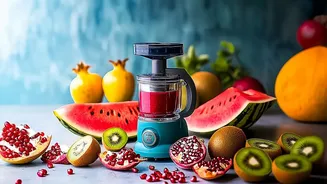
The most significant difference between eating a whole fruit and drinking its juice comes down to one crucial component: fibre. When you eat an apple or an orange, you consume the pulp and skin, which are packed with dietary fibre. This fibre is a powerhouse.
In your digestive system, it acts like a sponge, slowing down the absorption of sugar into your bloodstream. It also helps you feel full and satisfied, which can prevent overeating. The juicing process, however, strips almost all of this fibre away, leaving behind the water and sugar. Even blending, which is better than juicing, breaks down the fibre structure, though it does retain it in the drink. But with traditional juice, the fibre is almost entirely discarded.
A Tale of Two Sugars
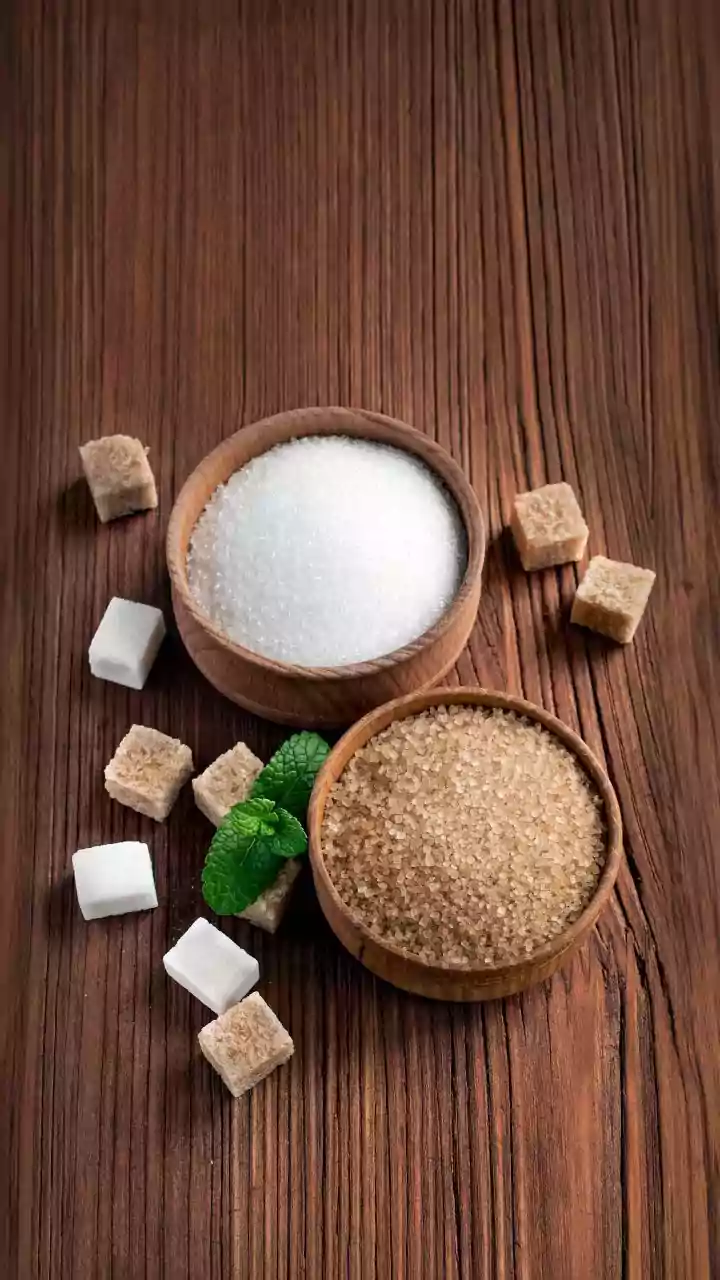
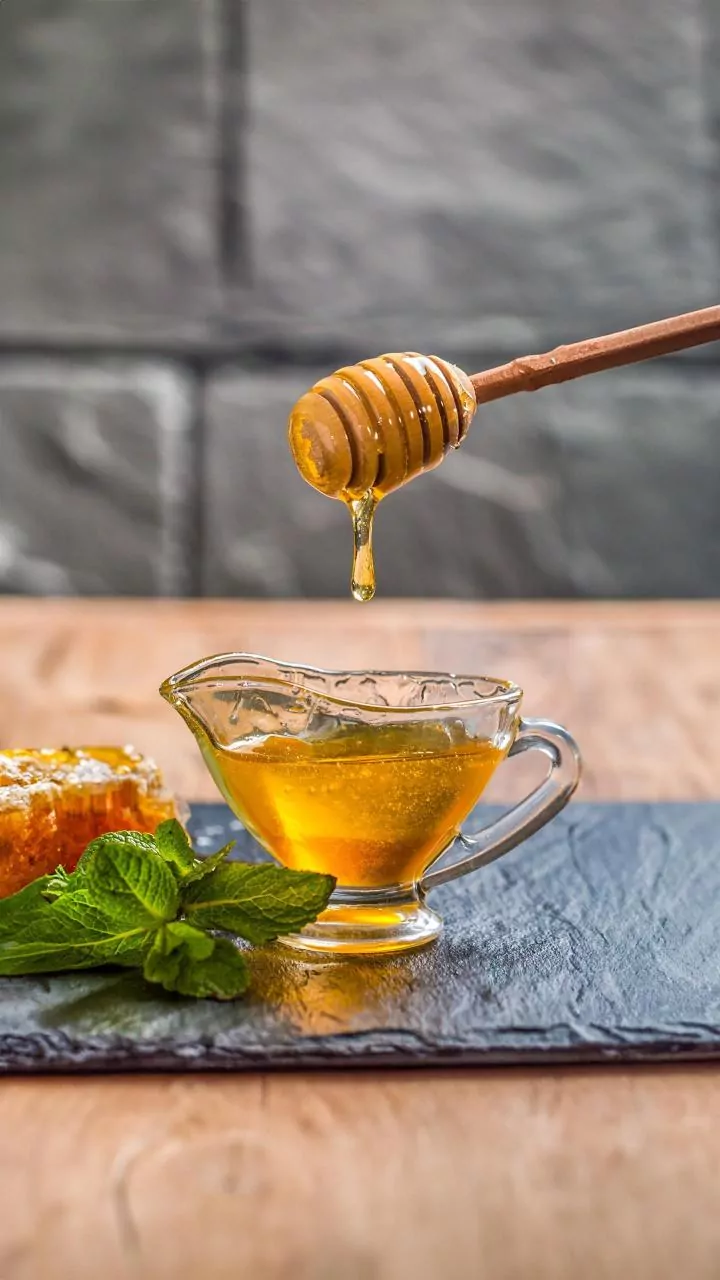
An orange and a glass of orange juice might start from the same place, but your body treats their sugars very differently. The sugar in whole fruit is called 'intrinsic sugar' because it's bound within the fruit's cellular structure, alongside fibre, water, and nutrients. When you juice the fruit, these sugars are released and become 'free sugars', the same type found in honey, syrups, and added to soft drinks. Without fibre to slow them down, these free sugars are absorbed very rapidly into your bloodstream. This can cause a sharp spike in blood sugar and insulin levels, similar to what you’d experience after drinking a sugary soda. For example, a whole orange has a much lower glycemic index (a measure of how quickly a food raises blood sugar) than a glass of orange juice.
Concentrated Calories and Sugar
It’s much easier to consume a large amount of sugar in liquid form. Consider how many oranges it takes to make a single glass of juice—often three or four. You could easily drink that glass in a minute, consuming the sugar of all those oranges at once. Would you eat four oranges back-to-back in the same amount of time? Probably not. The fibre in the whole fruit would make you feel full long before that. This concentration effect means that fruit juice is a dense source of sugar and calories without the accompanying feeling of fullness, which can contribute to weight gain over time.
What About the Vitamins?
To be fair, 100% fruit juice is not devoid of nutrients. It does contain vitamins and minerals, like vitamin C and potassium. In fact, some research suggests that certain nutrients like vitamin C and antioxidants may be more easily absorbed by the body from juice than from the whole fruit. However, the juicing process can also lead to the loss of other beneficial compounds, including antioxidants and phytonutrients that are often bound to the fibre in the skin and pulp. Furthermore, the longer juice is stored, and the more it is exposed to heat and oxygen during processing, the more its nutritional value can degrade. Freshly made juice is better, but it still can't replicate the complete nutritional package of the original fruit.
The Verdict: Whole is Better
The consensus among health experts is clear: eating whole fruit is healthier than drinking fruit juice. The presence of fibre moderates sugar absorption, promotes satiety, and delivers a more complete nutritional profile. Does this mean you should never drink juice? Not necessarily. A small glass of 100% fruit juice can be part of a balanced diet, especially if it helps you meet your fruit intake goals. However, it should be considered a treat rather than a substitute for whole fruit. Health guidelines often recommend limiting 100% fruit juice to a small portion, around 150ml per day, and consuming it with a meal to help slow sugar absorption.