




A World Without Rain
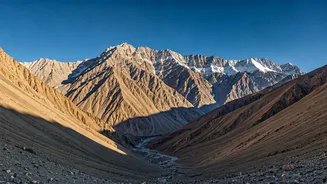
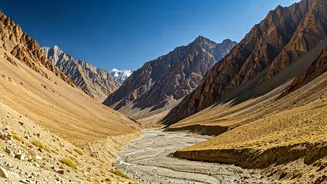
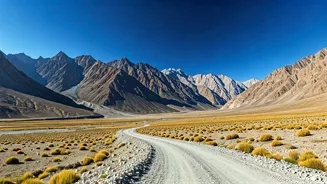
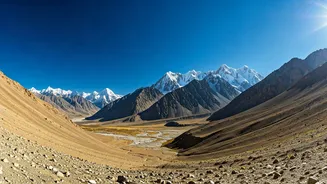
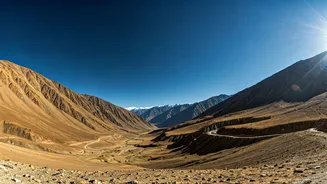
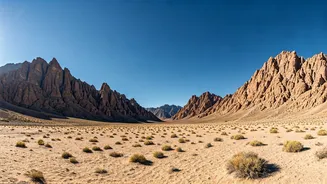
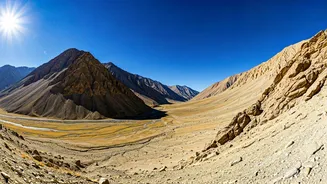
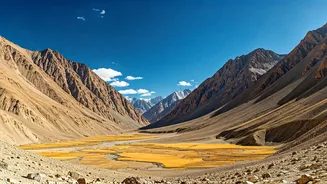
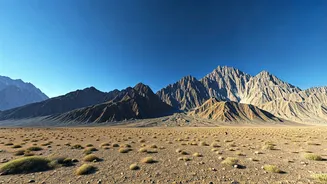
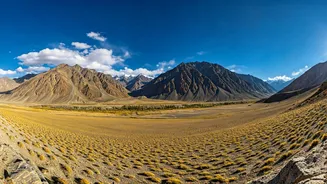
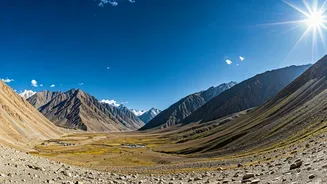
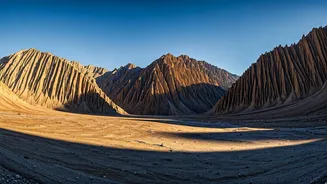
Spiti Valley's magic as a monsoon getaway lies in its unique geography. Tucked away in the Trans-Himalayas, it sits in a rain-shadow region. This means the towering mountain ranges block the rain-bearing clouds, leaving the valley dry and sunny while
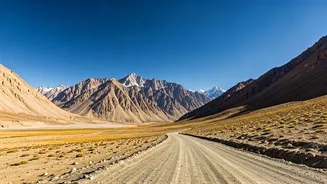
the rest of the country receives heavy downpours. The weather from June to September is often pleasant, with daytime temperatures perfect for exploring, though nights remain cold. This makes it an ideal time to visit, as the dramatic landscapes of barren mountains, deep gorges, and turquoise rivers are fully accessible under brilliant blue skies.
Choose Your Epic Route
Reaching this remote paradise is an adventure in itself, with two primary routes offering vastly different experiences. The first is the Hindustan-Tibet Highway, starting from Shimla. This route is longer but offers a gradual ascent, helping your body acclimatize to the high altitude. It remains open for most of the year, making it a reliable choice, though you should still account for potential landslide delays in Kinnaur during peak monsoon. The second, more thrilling route is from Manali via the Atal Tunnel and the high passes of Rohtang and Kunzum. This path is shorter and scenically dramatic but involves a rapid gain in altitude and rougher road conditions, especially between Gramphu and Losar. This route typically opens in late May or early June and is best suited for experienced drivers in high-clearance vehicles or on motorcycles. For a balanced trip, many travellers prefer entering via Shimla and exiting through Manali.
Ancient Monasteries and Timeless Villages
Spiti is a land where time seems to stand still, its culture deeply rooted in Tibetan Buddhism. The valley is dotted with ancient monasteries that are both spiritual sanctuaries and architectural marvels. The iconic Key Monastery, perched dramatically on a hilltop, is perhaps the most famous. The Tabo Monastery, a UNESCO World Heritage site, is renowned for its stunning murals and is often called the 'Ajanta of the Himalayas'. Another must-visit is the Dhankar Monastery, which seems to cling precariously to a cliff overlooking the confluence of the Spiti and Pin rivers. Beyond the monasteries, the soul of Spiti lies in its villages. Visit Komic, one of the world's highest motorable villages; Hikkim, home to the world's highest post office; and Langza, where a giant Buddha statue watches over a valley rich with ancient marine fossils.
Adventure for the Soul
While the landscapes are serene, Spiti offers plenty for the adventurous heart. The clear, unpolluted skies make it one of the best places in India for stargazing, with the Milky Way often visible to the naked eye. Camping near the breathtaking Chandratal Lake, the 'Lake of the Moon', is an unforgettable experience, though access depends on the Kunzum Pass being open. Trekkers will find numerous trails, from short hikes up to Dhankar Lake to more challenging multi-day treks. You can even try river rafting on certain stretches of the Spiti River or simply find a quiet spot to meditate and soak in the profound silence of the mountains.
An Essential Travel Checklist
A trip to Spiti requires careful planning. Acclimatization is the most critical aspect; you must ascend slowly to avoid Acute Mountain Sickness (AMS). If coming from Shimla, spend a night in Kalpa or Nako. If arriving from Manali, rest in Kaza for at least a day before ascending further. Hydration is key, so drink 3-4 litres of water daily. Carry enough cash, as ATMs in Kaza are often unreliable. Pack clothing in layers—warm jackets, thermals, and sweaters are essential even in summer, as temperatures drop sharply after sunset. Sunscreen, sunglasses, and a hat are non-negotiable due to the harsh sun at high altitudes. While Indian tourists generally don't need permits for the main circuit, it's wise to check the latest regulations before you travel.