



Step 1: Unpack and Triage Immediately
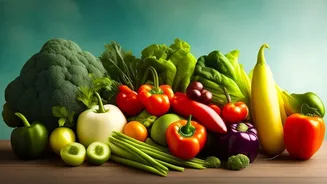
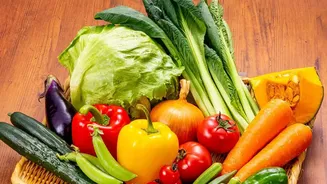
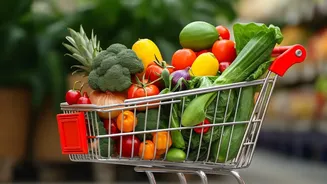
The moment your produce box or grocery bags come through the door is crucial. Don’t just shove everything into the crisper drawer. Take a few minutes to unpack and sort. Separate the hardy items from the delicate ones. Think of it as a triage system for
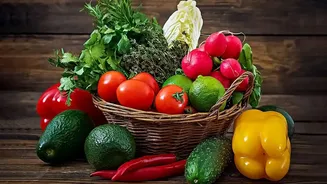
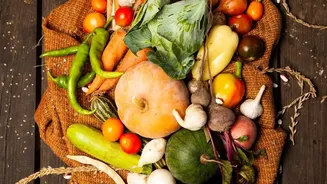
your vegetables. Leafy greens, fresh herbs, berries, and mushrooms are your high-priority patients. Root vegetables like potatoes, carrots, and beets, along with winter squash, are more stable and can wait. This initial sort sets the stage for everything else and immediately tells you what needs attention first.
Step 2: Handle Delicate Items with Care
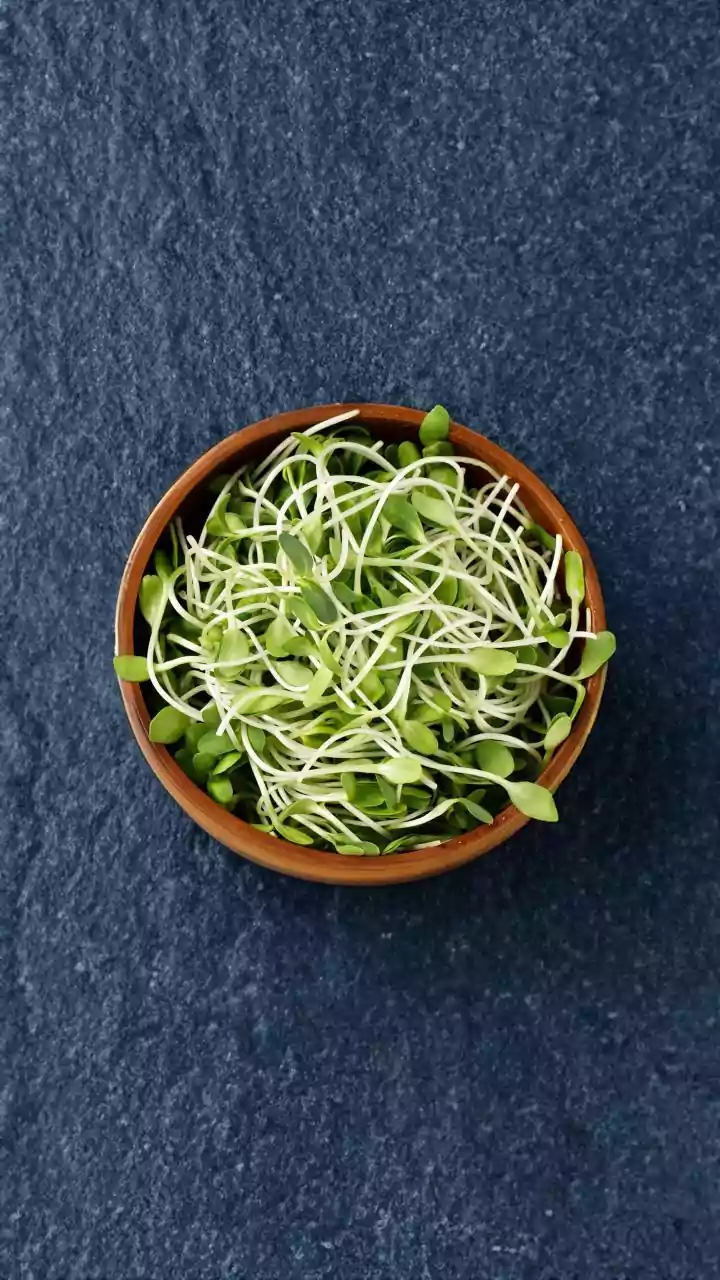
Delicate produce requires specific storage to stay fresh. For leafy greens like spinach and lettuce, wash and dry them thoroughly, then store them in a container lined with a paper or cloth towel to absorb excess moisture. This prevents them from getting slimy. Fresh, tender herbs like coriander and parsley can be treated like a bouquet of flowers; trim the stems and place them in a jar with a little water. Woody herbs like rosemary and thyme are better off wrapped in a damp paper towel and placed in a bag. Taking these extra prep steps can extend the life of your most perishable items by days, sometimes even a week.
Step 3: Create a 'Use-First' Visibility Zone
Out of sight is truly out of mind in a crowded refrigerator. Research shows we are far more likely to eat the food we see first. Dedicate a shelf at eye level as your official 'Use-First' zone. This is where you’ll place your most delicate items and any leftovers. Use clear, stackable containers for pre-chopped veggies, washed berries, and other ready-to-eat items. When you can see the vibrant, prepped food waiting for you, you’re more inclined to grab it for a snack or add it to a meal. Some people even label the bin or shelf to remind the entire household what needs to be eaten soon.
Step 4: Know Your Storage Needs
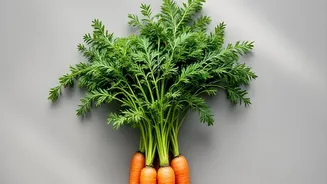
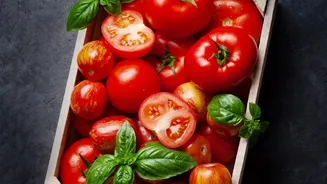
Not all vegetables want to be cold. Store potatoes, onions, and garlic in a cool, dark, and dry place like a pantry—and keep onions and potatoes separate, as onions can cause potatoes to sprout. Tomatoes lose their flavour in the fridge and are best left on the counter. On the other hand, most root vegetables, like carrots and radishes, should have their green tops removed before refrigeration. The greens draw moisture from the root, causing them to go limp. Store the greens and roots separately; the tops are often edible and can be used in pestos or sautés.
Step 5: The Mid-Week Check-In
A quick check-in a few days after your grocery run can prevent a lot of waste. Open the fridge and take a quick inventory of your 'Use-First' shelf. Are the greens starting to look a little tired? It might be time to toss them into a soup, stir-fry, or smoothie. If you see vegetables that you know you won't get to in time, consider freezing them. Many vegetables, including chopped onions, bell peppers, and blanched greens, can be frozen for later use in cooked dishes. This five-minute audit is your chance to rescue produce before it's too late.
Step 6: The Final Inventory Before You Shop
The final step in this cycle happens right before your next grocery run. Before you make your shopping list, take a complete look at what you still have. Check the 'Use-First' zone, the crisper drawers, and the pantry. What needs to be used up in the next day or two? Plan your next few meals around those ingredients. This not only ensures you use what you have but also prevents you from buying duplicates, saving you money and reducing your household's food waste. An organised system makes this final check quick and easy, turning a chore into a simple, satisfying habit.