


The Convenience Trap: A Daily Gamble?
We’ve all been there. Rushing out of a restaurant with a takeaway parcel, or packing a quick lunch, the humble plastic container seems like a lifesaver. In India, it's a deeply ingrained habit, from street vendors pouring hot sambar into flimsy bags to packing biryani
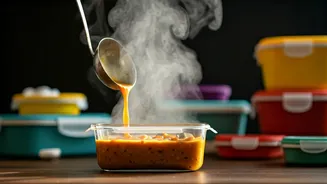
in microwaveable tubs. This convenience, however, masks a hidden danger. When hot, oily, or acidic food comes into contact with plastic, it can trigger a process called 'leaching'. Think of it as the plastic 'sweating' invisible chemicals directly into your meal. The heat from your food acts as an accelerator, speeding up this transfer and turning a convenient meal into a potential health risk. While it’s easy to dismiss this as a minor issue, consistent daily exposure adds up, creating a long-term health gamble we take every time we prioritise convenience over caution.
Meet the Intruders: What's Leaching Into Your Meal?
The main culprits in this chemical transfer are Bisphenol A (BPA) and phthalates. These are industrial chemicals used to make plastics either hard and clear (like some containers) or soft and flexible (like some wraps and bags). Health organisations globally have flagged these substances as endocrine disruptors. In simple terms, they are chemical impostors that can mimic or block our body's natural hormones, which are the master messengers controlling everything from growth and mood to metabolism and fertility. Long-term exposure to BPA and phthalates has been linked in numerous studies to a frightening list of health concerns, including reproductive issues, fertility problems in both men and women, developmental problems in children, and an increased risk of obesity, diabetes, and certain types of cancer. What makes this particularly concerning is that these chemicals are often tasteless and odourless, leaving you with no way of knowing they’re in your food.
Not All Plastics Are Created Equal
Navigating the world of plastics can be confusing, but a little knowledge goes a long way. Most plastic containers have a recycling code—a number from 1 to 7 inside a small triangle. This number tells you the type of plastic it is. As a rule of thumb, plastics marked with codes 3 (PVC), 6 (Polystyrene, or Styrofoam), and 7 (often containing BPA) should be avoided for food, especially hot food. You’ll often find polystyrene used for disposable cups and takeaway containers that are notoriously bad at handling heat. Plastics with codes 2 (HDPE), 4 (LDPE), and 5 (Polypropylene, or PP) are generally considered safer for food contact. In fact, many 'microwave-safe' containers are made of PP. However, even these 'safer' plastics are not entirely risk-free. Studies show that even polypropylene can leach chemicals when heated. The Food Safety and Standards Authority of India (FSSAI) has strict regulations about food-grade plastics, but the safest bet is always to avoid heating food in any plastic container, regardless of its code.
Rethinking Your Routine: Simple Swaps for a Safer Meal
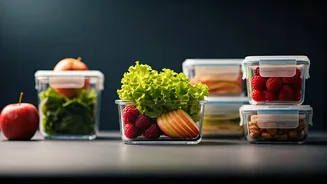
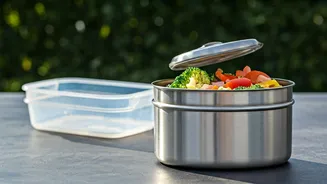
Breaking the plastic habit doesn't have to be difficult or expensive. It’s about making small, conscious choices. The most effective change is to get back to basics with materials like stainless steel and glass. These materials are inert, meaning they don't react with food or leach chemicals, no matter how hot or acidic your meal is. Start by investing in a classic stainless steel 'tiffin' for your takeaways—it keeps food hot and safe. When ordering from a local eatery, ask if you can bring your own container; most are happy to oblige. At home, switch to storing leftovers in glass or steel containers. When you need to reheat food, always transfer it to a glass or ceramic dish instead of microwaving it in the plastic tub it came in. These simple swaps not only protect your health but also reduce single-use plastic waste, making it a win-win for you and the environment.