




Meet the New King of Crunch
Forget greasy potato chips and calorie-laden popcorn. The snack that has health-conscious Indians and foodies buzzing is makhana, also known as fox nuts or lotus seeds. Once relegated to religious fasting menus or a simple homemade snack, makhana has undergone
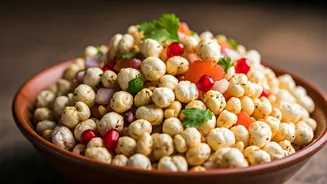
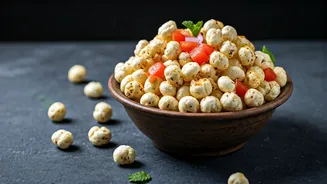
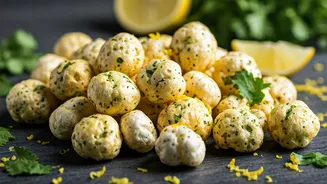
a dramatic modern makeover. It’s now the star of the snack aisle, positioned as a guilt-free indulgence that satisfies the craving for a serious crunch. This isn't just a fleeting fad; it represents a larger shift in our snacking culture, where we're moving away from empty calories and towards mindful, nutrient-dense options. Walk into any supermarket, and you'll see a dedicated section for this puffy, white snack, available in an array of gourmet flavours from peri-peri to pudina.
What Exactly Is Makhana?
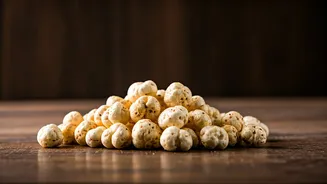
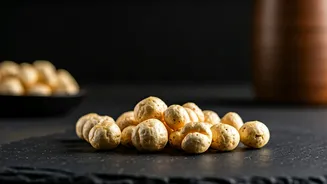
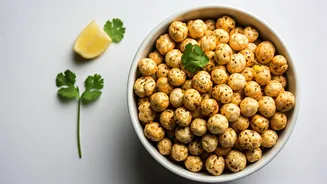
Despite its recent surge in popularity, makhana is an ancient food. It’s not actually a nut but the puffed seed of the Euryale ferox, or prickly water lily plant, which grows in the stagnant waters of wetlands and ponds across Asia. For centuries, it has been cultivated in the northern regions of Bihar in India, where farmers harvest the seeds from the bottom of ponds. The process is laborious: the collected seeds are cleaned, sun-dried, and then roasted at high heat in pans of sand until the black shells crack open and the white, popcorn-like puff emerges. This traditional process yields a naturally gluten-free, light, and airy snack that has been a part of Ayurvedic medicine and Indian cuisine for generations.
A Nutritional Powerhouse
So, why the sudden obsession? The primary driver is makhana's impressive nutritional profile. It ticks all the boxes for a modern 'superfood'. They are low in calories and fat, making them an excellent alternative to fried snacks. They are rich in protein and fibre, which helps in keeping you full longer and aids in digestion. Furthermore, makhana is a good source of essential minerals like magnesium, which is vital for heart health and muscle function, as well as potassium and calcium. They are also packed with antioxidants, which help fight free radicals and reduce inflammation. For those watching their sodium intake or blood sugar levels, plain roasted makhana is a perfect choice due to its low sodium and low glycemic index.
From Simple Snack to Gourmet Treat
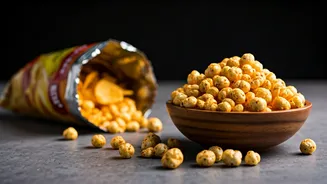
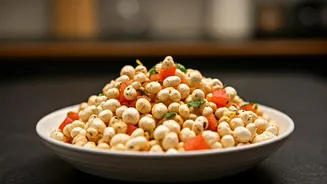
The real game-changer has been its reinvention. While home-roasted makhana with a sprinkle of salt and ghee is still a beloved comfort food, a new wave of snack brands has transformed it into a convenient, on-the-go treat. These companies have tapped into the urban Indian’s palate, offering a dazzling variety of flavours that appeal to every taste. You can find everything from classic masala and cheese to more adventurous options like wasabi, Himalayan pink salt and lime, or even caramel. This pre-packaged revolution has made makhana accessible to everyone, from busy professionals looking for a healthy desk snack to parents seeking a better alternative for their kids' tiffin boxes. It has successfully bridged the gap between health and convenience.
More Than Just a Trend
The rise of makhana is a reflection of a bigger movement towards conscious eating in India. Consumers are more educated and discerning than ever before. We are reading labels, questioning ingredients, and actively seeking out foods that are not just tasty but also beneficial for our well-being. This puffy seed fits perfectly into this narrative. It’s a homegrown product with deep cultural roots, it’s minimally processed in its natural form, and its health benefits are well-documented. By choosing makhana, consumers feel they are making a smart choice—one that supports both their health goals and a traditional agricultural product. It's a snack that feels good to eat, in every sense of the word.