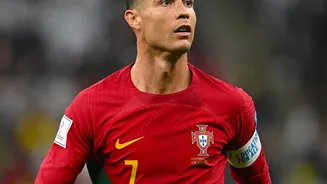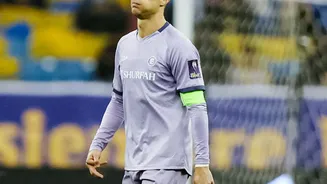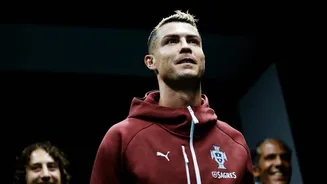




In a drama of starkly contrasting actions, Cristiano Ronaldo has seemingly endorsed criticism of his Portugal teammates, just as Bruno Fernandes publicly anointed him the undisputed symbol of the nation. What do these conflicting signals mean?
A 'Like' Worth a Thousand Words
The latest
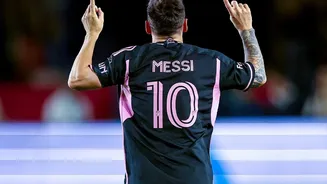
chapter in the saga surrounding Cristiano Ronaldo’s role in the Portuguese national team unfolded not on the pitch, but on social media. The superstar forward’s Instagram account 'liked' a post featuring a video of former Brazilian player Felipe Melo. In the video, Melo passionately criticizes the Portuguese squad, suggesting they don’t afford Ronaldo the same respect his Argentine counterparts give Lionel Messi. Melo stated there is a "grotesque difference" in treatment and claimed, "I see much more respect from opponents when they play against Cristiano Ronaldo... nobody comes close to Cristiano Ronaldo. You can't let him leave like nothing happened." Ronaldo's apparent endorsement of this fiery take has been interpreted as a direct jab at his own teammates, adding fuel to an already tense situation.
The Context of the Controversy
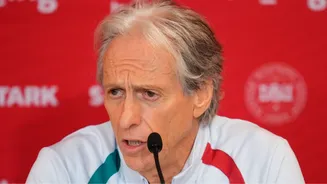
This social media activity followed Ronaldo's dramatic departure from the team camp earlier in the week. The 41-year-old star left after coach Jorge Jesus informed him he would not be in the starting lineup for their Nations League match against Denmark. This decision came after Ronaldo was already an unused substitute in the previous game against Norway. In response, Ronaldo issued a statement promising to tell his side of the story “in due time,” a move that has only heightened speculation about a rift with the coaching staff and, potentially, the squad. Portugal went on to win the match against Denmark 4-2 without their talisman, with Bruno Fernandes wearing the captain's armband.
Bruno's Diplomatic Counterpoint
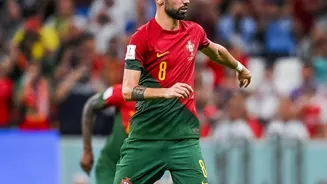
In a move that stands in sharp contrast to the online drama, teammate Bruno Fernandes stepped forward to quell the rising tensions. Speaking to reporters, Fernandes passionately defended Ronaldo’s legacy and importance to the nation. He revealed he had spoken directly with Ronaldo, telling him that “regardless of what happens, Cristiano Ronaldo will never cease to be the greatest symbol of our national team, of our football, and of the country.” Fernandes urged for unity, asking fans and the media not to create divisions or pick sides in the dispute. “Our national team is united, not divided,” he insisted, framing the issue as an internal matter that needed to be resolved behind closed doors.
Two Teammates, Two Messages
The juxtaposition is impossible to ignore: one star player seemingly validating criticism of the team’s chemistry, while another, now wearing the captain's band, publicly calls for unity and defends that very same player. Fernandes’ comments appear to be a deliberate attempt at crisis management, an effort to protect both Ronaldo’s towering legacy and the squad's immediate focus. He carefully avoided taking sides between Ronaldo and the coach, emphasizing that the team remains focused on their games. Meanwhile, Ronaldo’s social media action, whether intentional or not, suggests a feeling of being unsupported within the very camp his teammate is trying to hold together. This divergence paints a complex picture of the internal dynamics of one of the world's top footballing nations.
What This Means for Portugal
The entire episode raises significant questions about Portugal’s future. Coach Jorge Jesus has also called Ronaldo a “symbol of Portugal” but has deferred further comment until after the current round of matches. The incident has divided fans and created a media storm that threatens to overshadow the team's on-field performance. While Fernandes insists the squad is insulated from the outside noise, the public back-and-forth between its most iconic player and its current captain suggests a delicate balancing act. As the team moves forward, the challenge will be to navigate the immense legacy of a player who feels disrespected while simultaneously building a cohesive unit that can win without him at its center.