


The Vistadome Revolution
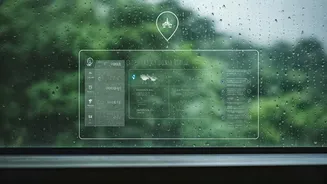
The single biggest game-changer for monsoon travel is the expansion of Indian Railways' Vistadome coaches. These aren't your average train compartments. Designed for sightseeing, they feature massive panoramic windows, glass roofs, and seats that rotate
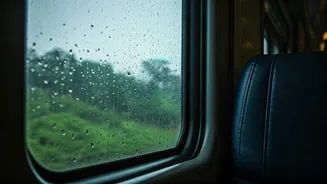
180 degrees. The result is an immersive, theatre-like experience where the journey itself becomes the main attraction. Instead of peering through a rain-streaked window, you are enveloped by the landscape. Imagine gliding through the lush, rain-washed Western Ghats or the misty hills of the Himalayas with an uninterrupted, sky-to-ground view. It transforms a simple train ride into a breathtaking spectacle, allowing travellers to feel fully connected to the dramatic beauty of the monsoon without being exposed to its harsher elements. These coaches also come with modern amenities, making the travel comfortable and accessible for families and solo travellers alike.
Iconic Routes, Reimagined
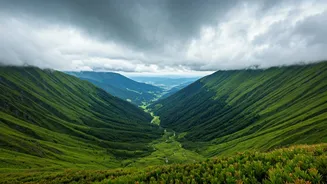
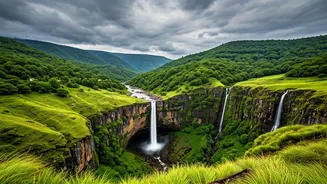
The magic of the Vistadome is best experienced on routes that are already famous for their scenic beauty, which the monsoon only amplifies. The Mumbai-Goa route on the Mandovi Express or Tejas Express is a prime example. The train winds through the verdant Konkan coast, passing countless waterfalls, glistening paddy fields, and dramatic cloud-covered hills. Similarly, the historic Kalka-Shimla Railway, a UNESCO World Heritage site, offers an entirely new perspective from a Vistadome coach as it snakes through pine forests and fog-laden valleys. Other spectacular monsoon journeys include the route from Visakhapatnam to Araku Valley, showcasing the raw beauty of the Eastern Ghats, and the journey through the Dooars region in West Bengal. These routes, once just a means to an end, are now bucket-list experiences in their own right, drawing in photographers, nature lovers, and anyone looking for a unique rainy-day adventure.
Beyond the Rails: Better Connectivity
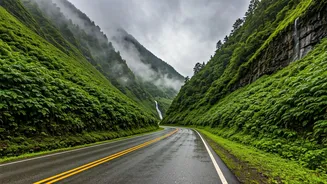
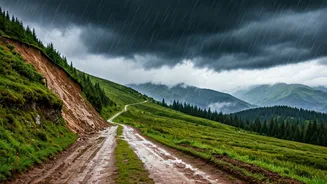
The upgrade isn't limited to the railways. A quiet but significant improvement in road infrastructure has made many classic monsoon destinations more accessible and safer to visit. Key highways connecting major cities to popular getaways in the Western Ghats (like Lonavala, Mahabaleshwar) and the Himalayan foothills (like destinations in Uttarakhand and Himachal Pradesh) have been widened and better maintained. This reduces travel time and the risks associated with driving on tricky terrain during heavy rains. While caution is still paramount, the improved connectivity means that a spontaneous road trip to chase the monsoon is more feasible than ever before. It opens up opportunities to explore lesser-known villages and viewpoints that were previously considered too difficult to reach during the wet season, allowing for a more intimate and offbeat travel experience.
Curated Comforts: Resorts Embrace the Rain
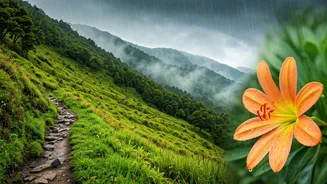
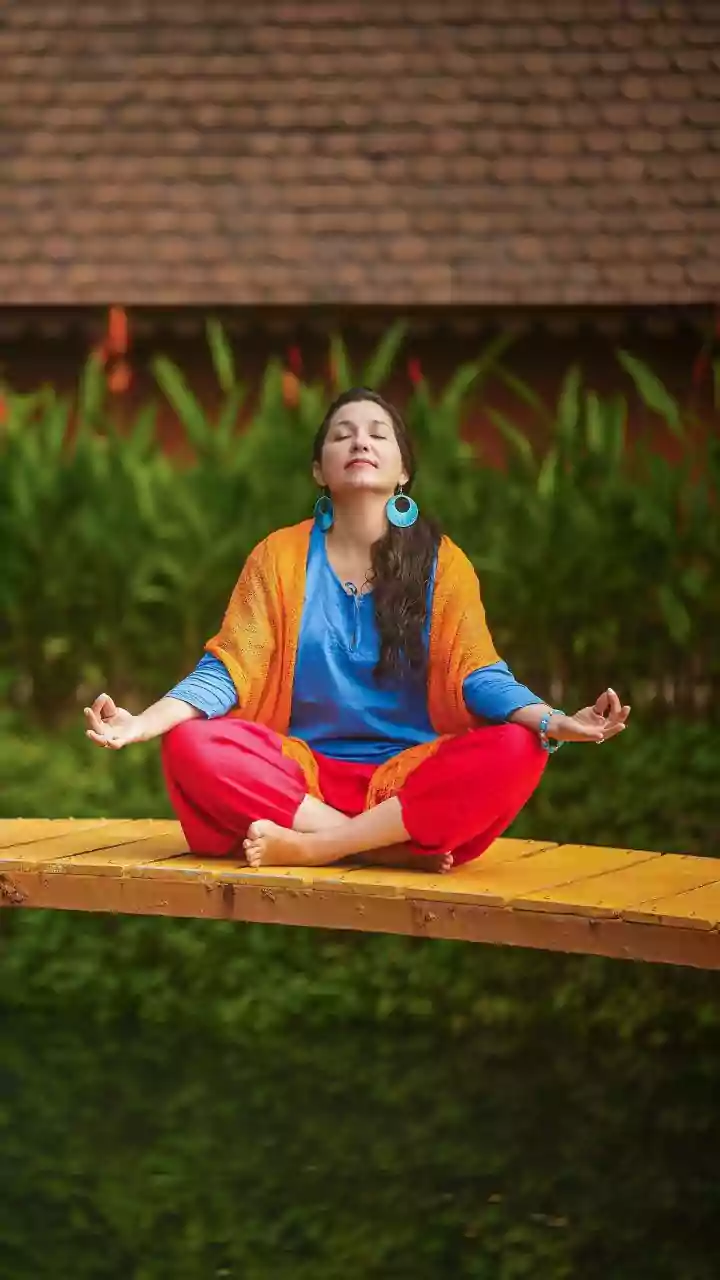
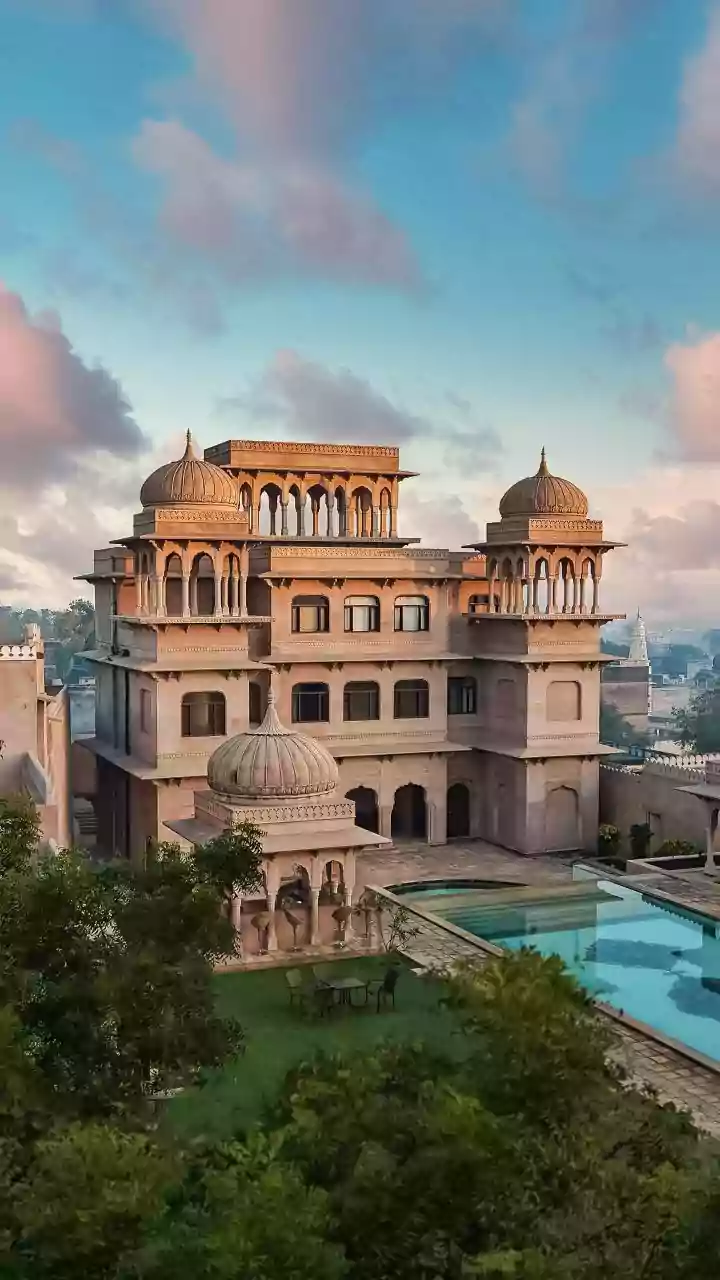
The hospitality industry has also caught on, shifting its mindset from treating the monsoon as an 'off-season' to marketing it as a premium experience. Resorts and boutique hotels across the country now offer curated monsoon packages that celebrate the season. In Kerala, this means combining the rains with traditional Ayurvedic treatments, which are said to be most effective during this time. In the hills of Coorg or Wayanad, properties offer rooms with stunning valley views, cozy fireplaces, and guided nature walks to explore the blooming flora. Many hotels provide indoor activities, special rainy-day menus featuring hot 'pakoras' and 'chai', and spa therapies designed for relaxation. This focus on comfort and experience ensures that even if you're 'stuck' indoors due to a downpour, your holiday feels luxurious and restorative, not compromised.