





Understand Your Indoor Enemy
When windows stay shut during the rains, it’s not just fresh air that’s kept out; pollutants are trapped in. The biggest culprit is humidity. Excess moisture in the air, ideally kept between 40-60%, creates a perfect breeding ground for mould, mildew,
and dust mites. These allergens can trigger respiratory issues and asthma. High humidity also increases the off-gassing of chemicals like formaldehyde from furniture and paint, further degrading air quality. This combination of moisture, biological contaminants, and chemical pollutants is what causes that distinct musty smell and the feeling of a heavy, damp home.
Master the Art of Strategic Ventilation
It might seem counterintuitive, but you should still ventilate your home during the monsoon. You just need to be smart about it. Seize moments when the rain subsides, even if it's just for a short while, to open windows and doors on opposite sides of your home. This practice, known as cross-ventilation, creates a current that flushes out stale, humid air and replaces it with fresher outdoor air. Even 15-20 minutes of daily ventilation can make a significant difference. Always use exhaust fans in kitchens while cooking and in bathrooms after a shower to expel moisture-laden air directly outside.
Actively Control Humidity Levels
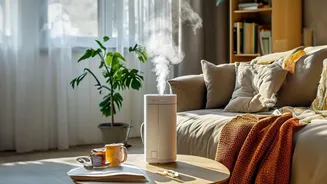
Since ventilation alone may not be enough during a persistent downpour, active humidity control is key. A dehumidifier is the most effective tool for this, as it physically pulls excess water from the air. Aim to keep your home's relative humidity below 60% to inhibit mould growth. If you use an air conditioner, it also functions as a natural dehumidifier while it cools. For those without these appliances, simple steps like fixing any plumbing leaks, wiping condensation from windows, and ensuring clothes are completely dry before storing them can also help manage indoor moisture.
Consider an Air Purifier
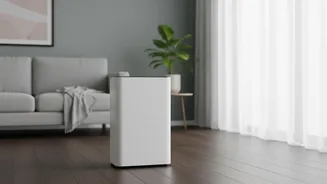
An air purifier is a powerful ally in the fight for clean indoor air. While they don't remove humidity, they are excellent at capturing airborne particles. A model with a High-Efficiency Particulate Air (HEPA) filter is effective at trapping mould spores, dust mites, pet dander, and other allergens that thrive in damp conditions. If musty odours are your primary concern, look for an air purifier that also includes an activated carbon filter. This component is specifically designed to absorb the gases, known as Microbial Volatile Organic Compounds (mVOCs), that are responsible for that unpleasant mouldy smell. Remember, an air purifier traps spores but can't kill mould growing on surfaces, so it should be used as part of a broader cleaning and moisture-control strategy.
Clean with a Purpose
Regular cleaning becomes even more critical during the monsoon. Focus on removing the dust and organic material that mould and mites feed on. Vacuum carpets and upholstery frequently, preferably with a vacuum that has a HEPA filter. Damp-dusting surfaces with a microfibre cloth traps dust instead of sending it airborne. Pay special attention to areas prone to dampness, like bathroom corners, under sinks, and around window frames. Regularly washing curtains, bedding, and other textiles also helps eliminate allergens that can accumulate in the humid environment.
Use Indoor Plants Wisely
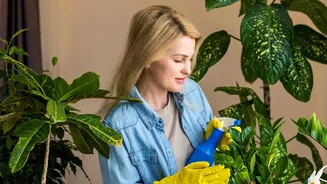
Indoor plants are often touted as natural air purifiers. While plants like snake plants and peace lilies can help remove certain toxins from the air, their impact on overall air quality is modest in a typical home setting. During the monsoon, it's important to manage them carefully. Overwatering can lead to waterlogged soil, which can itself become a source of mould growth. Enjoy your houseplants for their beauty, but don't rely on them as your primary air-cleaning solution, and ensure their soil is not contributing to your humidity problem.