





The Majesty of the Chundan Vallam
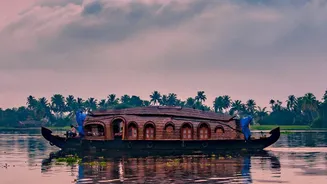
The Chundan Vallam, or snake boat, is a marvel of indigenous naval architecture. These magnificent canoes can stretch over 100 feet long, with a distinctive curved stern rising high like a cobra's hood. Traditionally built for medieval warfare, each boat belongs
to a village and is revered almost as a deity, with its construction following ancient principles. Crafted from the water-resistant wood of the Anjili tree (wild jackfruit), these boats are designed to carry over a hundred rowers, gliding through the water propelled by synchronized power and rhythm.
Wood's Greatest Enemy: Water
Despite its strength, the Anjili wood is not invincible. Like any timber, it is vulnerable to the constant threat of water. Continuous exposure to moisture can cause wood to swell, warp, and eventually rot as fungi and other microorganisms break down its cellular structure. For a vessel that spends its life in the water and endures the immense stress of racing, protecting it from water absorption is not just a matter of maintenance—it's a matter of survival. An untreated boat would quickly become waterlogged, heavy, and structurally compromised.
The Art of the Annual Treatment
To counter the threat of decay, boat artisans employ a time-honoured preservation technique before every racing season. The process is a community effort, steeped in tradition. The entire hull of the snake boat is coated with a special, pungent mixture. This isn't a modern varnish or paint, but a traditional recipe passed down through generations of master carpenters, known as 'moothasharis'. This coating serves a dual purpose: it waterproofs the wood to prevent decay and creates a slick, slippery surface to reduce drag in the water, giving the rowers a competitive edge.
A Secret Recipe from the Backwaters
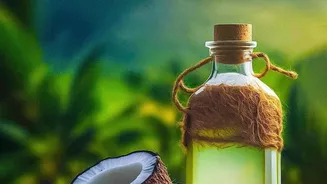
The protective concoction is a potent blend of natural, locally sourced ingredients. The primary component is fish oil, a traditional waterproofing agent used in maritime cultures worldwide. This is mixed with other key materials: charred coconut shells (a form of carbon), and egg whites. Some recipes also include natural resins or animal fat. Each ingredient plays a crucial role. The fish oil penetrates deep into the wood's pores, replenishing natural oils and repelling water. The carbon from the coconut shells acts as a filler and potentially a biocide, inhibiting fungal growth, while the egg whites serve as a binder, helping the mixture adhere to the hull.
Where Science Meets Tradition
Though born from centuries of trial and error, the Kerala snake boat treatment aligns perfectly with modern wood preservation science. The use of a drying oil like fish oil is fundamental; as it's exposed to air, it undergoes polymerization, changing from a liquid to a solid polymer within the wood fibers. This process effectively seals the wood from the inside out, creating a hydrophobic barrier that prevents water absorption. The addition of carbon acts as a physical barrier, while the slick, oily surface reduces friction, embodying a perfect fusion of empirical knowledge and practical physics.