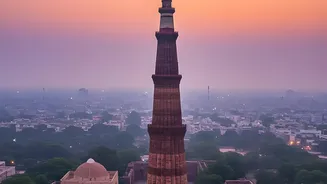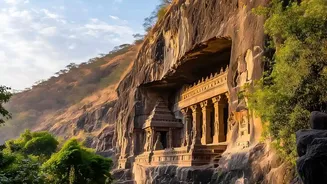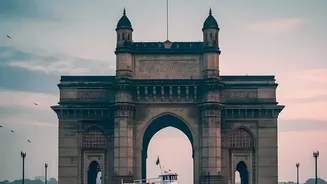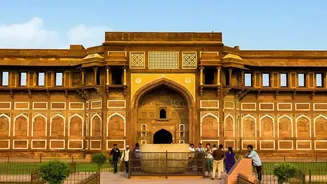



The Challenge of Concentrated Tourism
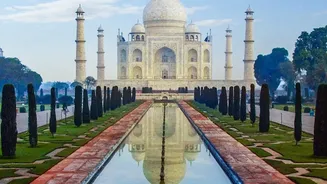
Popular tourist destinations in India, from the mountains of the north to the beaches of the south, have long grappled with the double-edged sword of their own success. The very appeal that draws millions also creates immense strain on local infrastructure,
leading to traffic congestion, pressure on water and sanitation systems, and environmental degradation. This phenomenon, often called 'overtourism', not only diminishes the visitor experience but also creates economic imbalances. While a handful of locations see booming business, the economic benefits often fail to trickle down to a wider geographic area, leaving local communities in other regions with limited opportunities from the travel economy. This model, driven by a few well-trodden circuits, has proven to be unsustainable, highlighting the urgent need for a new approach.
A New National Vision for Tourism
In response, India's government is spearheading a fundamental rethink of its tourism strategy, moving from a circuit-based approach to a destination-centric one. The revamped Swadesh Darshan 2.0 scheme is at the heart of this change. Unlike its predecessor, which focused on connecting various sites under a single theme, the new version aims to develop destinations holistically, ensuring they are sustainable and responsible. The mantra is 'vocal for local', with the goal of making destinations self-sufficient by developing comprehensive infrastructure, tourism services, human capital, and promotional strategies. This marks what officials call a 'generational shift', designed to unlock India's full potential by distributing tourism's economic engine more evenly across the country.
Beyond the Usual Suspects
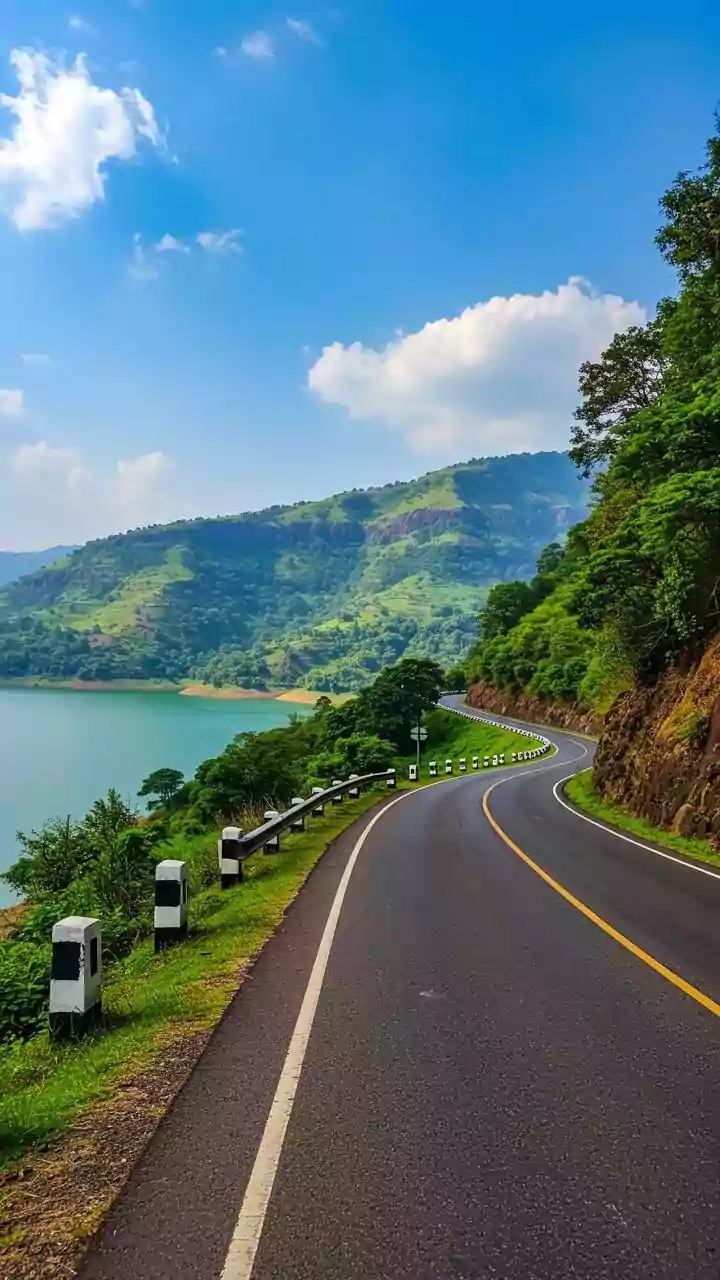
The new strategy is already taking shape on the ground. States are actively identifying and developing lesser-known sites with significant cultural, historical, or natural appeal. In Uttar Pradesh, for example, projects are underway to develop sites like the temple town of Bateshwar near Agra, Munshi Premchand's ancestral home near Varanasi, and Buddhist sites in Maharajganj. This effort aims to create new circuits and give visitors reasons to extend their stays, diversifying from dominant attractions. In the North East, Mizoram is emerging as a surprise success story, with tourism growth surging thanks to investments in connectivity and a focus on eco- and sports-tourism. Similarly, Odisha is rolling out new policies and portals to attract investment for its coastline, temples, and ecological sites. The development of new expressways is also creating 'tourism corridors' that link multiple destinations into seamless itineraries.
Empowering Local Economies and Communities
A core objective of this decentralised model is to ensure that tourism revenue directly benefits local populations. Schemes like the Pilgrimage Rejuvenation and Spiritual, Heritage Augmentation Drive (PRASHAD) focus on developing infrastructure at pilgrimage sites while also creating jobs and promoting local arts and crafts. There is a strong emphasis on capacity building and skill development, training local youth in hospitality to provide professional expertise. The promotion of homestays is another key component, with financial support being offered for the construction and renovation of units, allowing local families to become direct participants in the tourism economy. This community-centric approach aims to make tourism a sustainable source of livelihood, giving residents a stake in preserving their cultural and natural heritage.
Hurdles on the Road Less Travelled
Despite the ambitious vision, the path to a decentralised tourism landscape is not without challenges. Transforming a location into a tourist-ready destination requires immense investment in foundational infrastructure, including last-mile connectivity, quality accommodation, sanitation, and reliable digital access. Many promising but remote areas currently lack these facilities. Furthermore, success hinges on changing long-standing traveller habits, which requires sophisticated and sustained marketing to build awareness and trust in new destinations. There's also the critical need to build a skilled workforce in these emerging areas. Reports indicate a potential shortfall of millions of trained workers in the tourism sector in the coming years, a gap that must be addressed to ensure a quality visitor experience. Without overcoming these hurdles, the risk of creating new, ill-equipped pockets of overtourism remains.