




Beyond Wrinkles: Understanding Molecular Ageing
When we think of ageing, we often picture grey hair and wrinkles. But the real process happens deep inside our bodies, at the level of our cells. This is 'molecular ageing'. Over time, our cells accumulate tiny bits of damage. Our DNA repair systems can
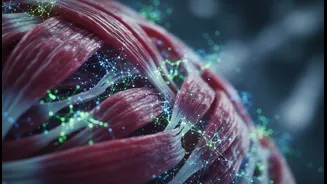
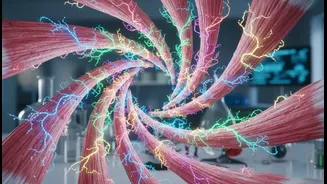
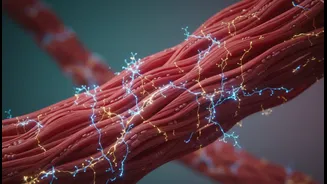
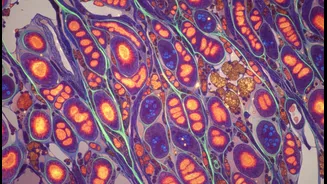
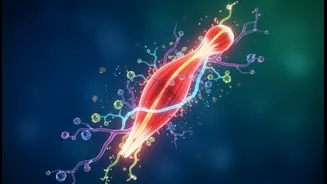
get sluggish, and cellular 'power stations' known as mitochondria become less efficient. In our muscles, this translates to a gradual loss of mass and strength, a condition known as sarcopenia, which contributes to frailty and a lower quality of life. Scientists can look at the genetic and protein activity inside a muscle cell—its 'molecular profile'—and see a clear signature of its age. For years, this decline was seen as an inevitable part of getting older.
The Exercise Effect: A Cellular Reset Button
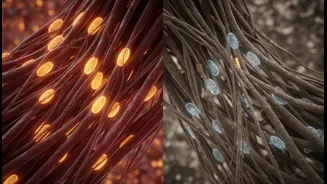
This is where the story gets exciting. Research now shows that long-term exercise acts like a reset button for our muscles. Studies comparing older adults who exercise regularly with their sedentary peers have found something remarkable: at a molecular level, the muscles of the active seniors looked significantly younger. One study found that after just six months of resistance training, the gene expression profile in older adults was reversed, becoming much more like that of young adults. Another recent discovery pinpointed a gene called DEAF1, whose levels increase with age, disrupting the muscle's ability to clear out damaged proteins. Exercise was found to lower DEAF1, restoring this crucial housekeeping function and allowing muscle cells to repair themselves effectively.
Mitochondria: Recharging Your Body’s Batteries
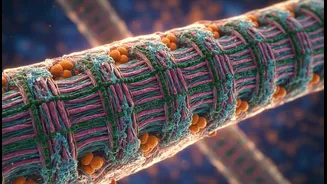
A huge part of this rejuvenation story revolves around our mitochondria. These are the tiny engines inside our cells that convert food into energy. As we age, their numbers and functional capacity tend to decline, leading to fatigue and reduced metabolic health. Exercise provides a powerful signal to the body to build more and better mitochondria. Studies show that physical activity, especially high-intensity training, boosts mitochondrial efficiency and content in skeletal muscle. This means your muscles don't just get stronger; they become better at producing energy, fighting off the metabolic slowdown associated with ageing and improving overall vitality.
What Kind of Training Turns Back Time?
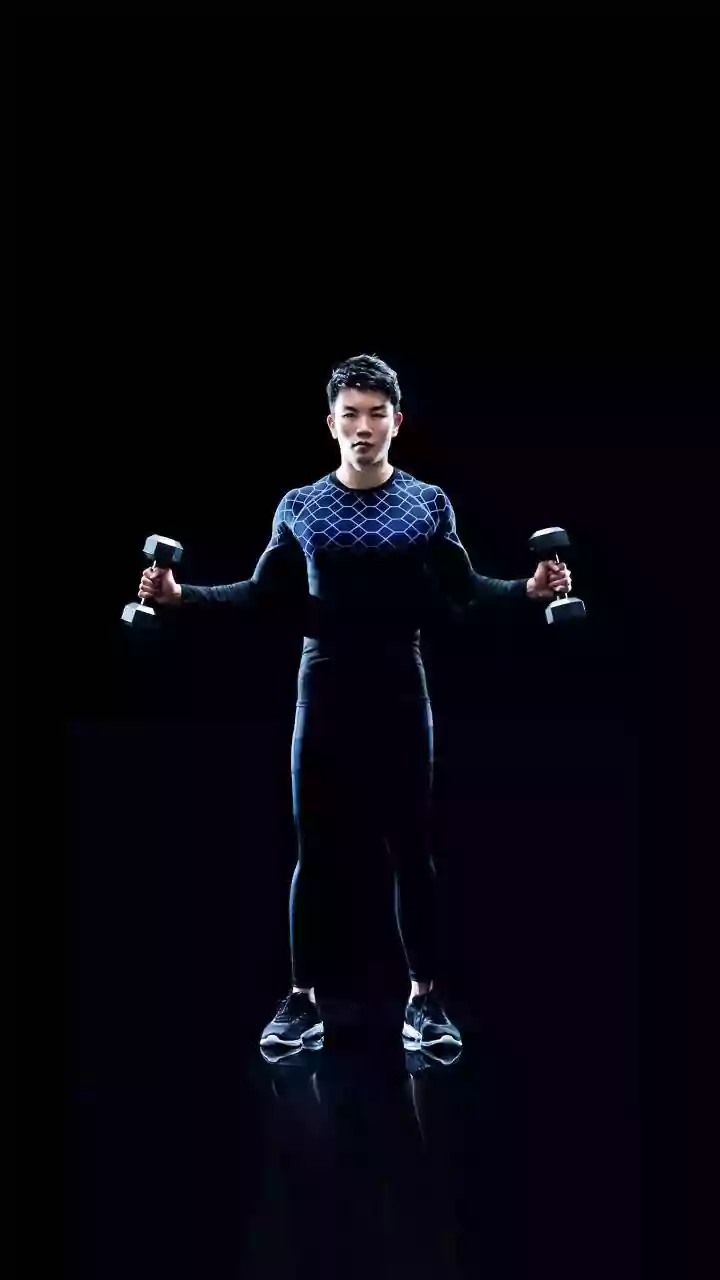
So, what does 'long-term training' actually involve? The good news is that benefits are seen across different types of exercise. Resistance training—lifting weights, using resistance bands, or doing bodyweight exercises like squats and push-ups—is fantastic for building strength and directly reversing the gene signature of ageing in muscle. It's the most effective way to combat muscle loss. On the other hand, high-intensity aerobic exercise, such as interval training on a bike or running, has been shown to provide the biggest boost to mitochondrial health, essentially rejuvenating the cell's energy production. For the best all-around anti-ageing effect, a combination of both strength and high-intensity cardio throughout the week is likely the ideal strategy.