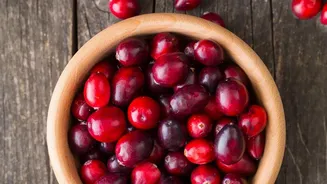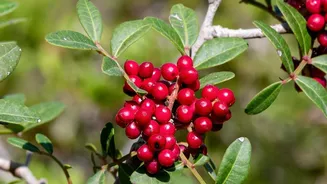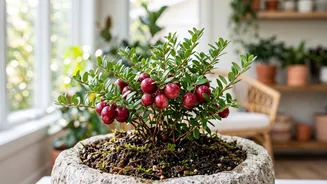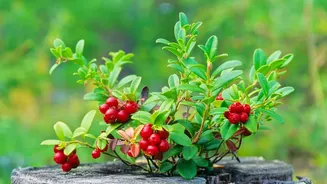




Growing cranberries indoors is a rewarding project for any gardening enthusiast. While we associate them with vast, flooded bogs, you can successfully cultivate these tart red jewels at home by getting one crucial element right: their container.
Why Container Choice is Crucial
Cranberry
plants are not like typical houseplants. They are bog specialists, meaning they have very specific needs that are difficult to meet in standard garden soil. They thrive in acidic, consistently moist conditions that would harm most other plants. Using a container allows you to create and control this unique environment perfectly, from the soil pH to the moisture level, without battling the existing conditions of a garden bed. This control is the secret to making indoor cranberry cultivation achievable and fruitful. By selecting the right pot, you're not just planting a cranberry; you're building its ideal ecosystem from scratch.
Go Wide, Not Necessarily Deep
When it comes to size, think wider rather than deeper. Cranberry plants have a shallow root system, mostly staying within the top 15 cm (6 inches) of soil. However, they grow by sending out horizontal runners that spread across the surface. To accommodate this natural spreading habit, choose a container that is at least 30 to 40 cm (12 to 15 inches) in diameter. This width gives the runners ample space to expand, which will lead to a healthier plant and a more abundant harvest of berries. Trough-style planters or wide, shallow bowls are excellent options that cater to their horizontal growth.
Choosing the Right Material
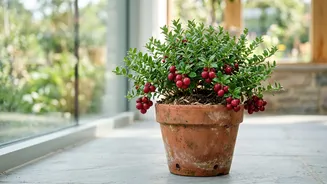
The material of your container plays a significant role in moisture management. Plastic or glazed ceramic pots are great choices because they retain moisture well, which is vital for these thirsty plants. Terracotta is porous and can wick moisture away too quickly, requiring more frequent watering to prevent the shallow roots from drying out. Self-watering containers can be particularly effective, as they provide a consistent supply of moisture from a built-in reservoir, mimicking the consistently damp soil of a natural bog without becoming waterlogged. Fabric grow bags are another option that provides excellent aeration, but like terracotta, they will need close monitoring to ensure the soil stays moist.
Drainage is Non-Negotiable
While cranberries love moist, bog-like soil, they cannot tolerate stagnant water. Soggy soil leads to root rot, which is fatal for the plant. Therefore, excellent drainage is absolutely essential. Whatever container you choose, ensure it has multiple drainage holes at the bottom. If you have a decorative pot without holes, you can use it as a cachepot by placing a smaller pot with drainage inside it. After watering, always allow the excess to drain away completely. The goal is to create soil that is consistently damp, like a wrung-out sponge, but never a pool of standing water.
Preparing Your Container for Planting
Once you have the perfect container, the final step is preparing the growing medium. Do not use regular potting soil or garden soil, as it will not be acidic enough. You need to use an ericaceous compost, the same type used for acid-loving plants like blueberries and azaleas. To improve drainage and aeration, mix the compost with some peat moss and either perlite or lime-free sand. Fill your chosen container with this mixture, leaving a few inches at the top. Water the soil thoroughly before planting your cranberry bush to ensure there are no dry pockets and the acidic environment is ready to welcome your new plant.