
Preservation With a Purpose
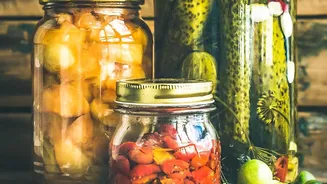
Long before refrigerators became a kitchen staple, our ancestors mastered the art of making seasonal produce last. Pickling was born from a fundamental need: to preserve the bounty of a harvest and prevent food from spoiling. This ancient practice is,
at its core, a zero-waste philosophy. By transforming surplus vegetables and fruits into shelf-stable delicacies, communities could enjoy their flavours and nutrients throughout the year. In a world grappling with food waste, where produce often travels thousands of miles only to perish, this traditional technique offers a potent, home-grown solution. It’s a circular approach to food that respects seasonal cycles and makes the most of every ingredient.
A Flavour Map of India
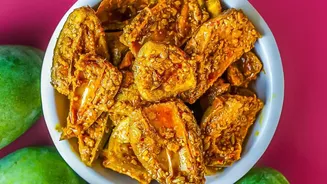
The true genius of Indian pickling lies in its incredible diversity, with each region showcasing its unique local produce and climate. In the south, Andhra's fiery Avakaya, a raw mango pickle packed with mustard and sesame oil, is legendary for its powerful heat. Head west to Gujarat, and you'll find the Methia Keri, a delightful sweet and spicy mango pickle featuring fenugreek seeds. Northern India's identity is tied to mustard oil-based pickles, like Punjab’s robust stuffed red chilli pickle or Rajasthan's unique Ker-Sangri, made from desert beans and berries. This vast culinary landscape proves that pickles are not a monolith but a deeply personal expression of a region’s identity, ingredients, and history.
The Science of a Slice
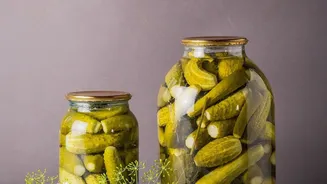
The magic of pickling is rooted in science. The primary methods use salt, oil, or vinegar to create an environment where spoilage bacteria cannot survive. Many traditional Indian pickles also undergo fermentation, which encourages the growth of beneficial bacteria, or probiotics. These gut-friendly microbes are celebrated for their ability to improve digestion and support a healthy immune system. Furthermore, pickles are a treasure trove of nutrients. Ingredients like amla (Indian gooseberry) and lemon make for vitamin C-rich pickles, while spices like turmeric offer antioxidant and anti-inflammatory properties. A small spoonful of achar is not just a burst of flavour; it’s a dose of functional wellness.
Beyond the Side Dish
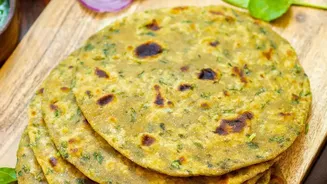
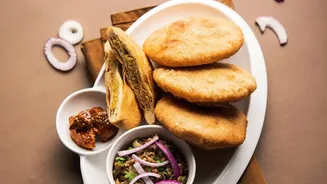
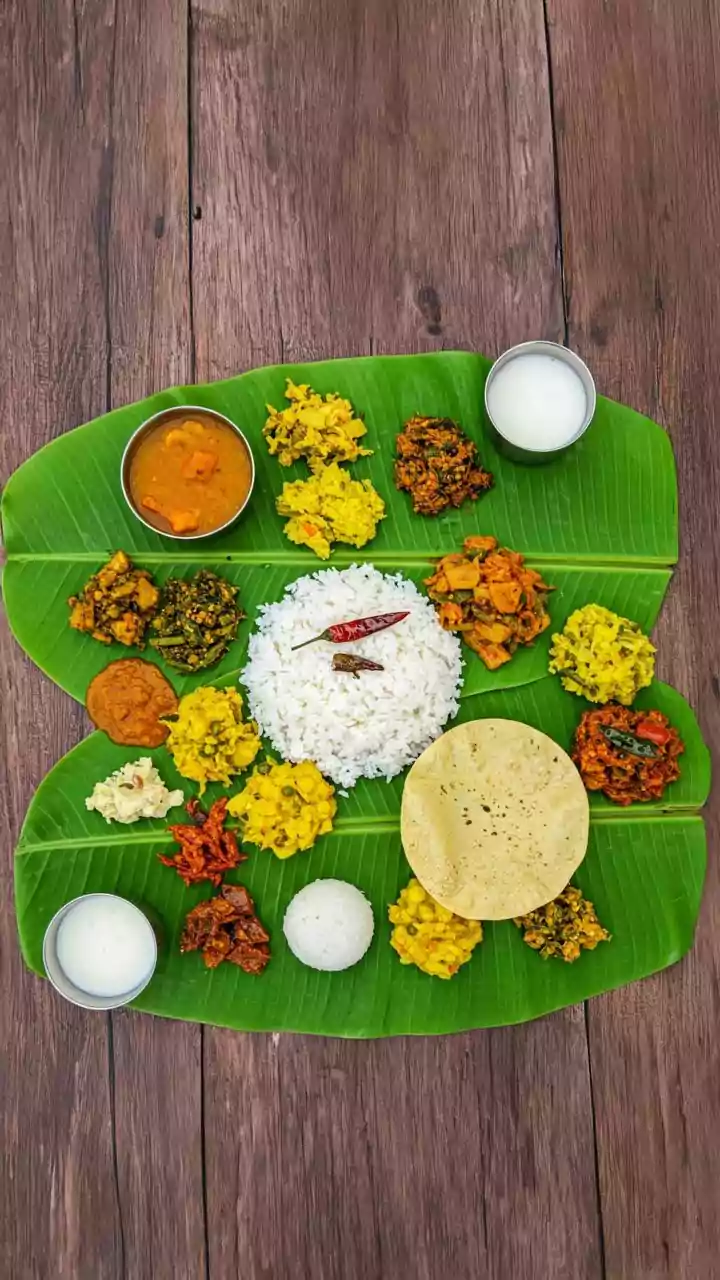
While traditionally served alongside dal and rice, the modern kitchen is rediscovering the versatility of Indian pickles. Their concentrated, complex flavour makes them a powerful secret ingredient. Think of a spoonful of mango pickle whisked into yoghurt to create a zesty dip or marinade for paneer tikka. The spicy, tangy oil from a lemon pickle can be drizzled over a salad as a punchy dressing. Minced chilli pickle can be spread in a sandwich instead of mayonnaise, or even stirred into pasta for an unexpected desi twist. By viewing pickles as a component rather than just a condiment, we unlock a world of creative culinary possibilities that save time and reduce the need for multiple other seasonings.