







The Challenge of Festive Waste
Indian festivals are a vibrant tapestry of culture, tradition, and togetherness. However, these joyous occasions often leave behind a significant environmental footprint. From plastic packaging and synthetic decorations to the millions of non-biodegradable
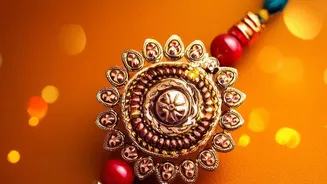
rakhis discarded each year, the post-festival cleanup highlights a growing problem of waste. Many conventional rakhis are made with plastic beads, polyester threads, and other materials that do not decompose, contributing to pollution in landfills and waterways. This rising awareness has prompted a shift in consumer mindset, with more families actively seeking ways to celebrate responsibly without diminishing the festive spirit.
The Rise of the Eco-Rakhi
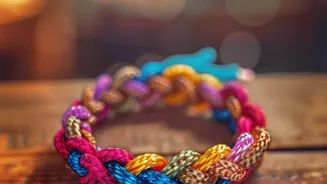
Enter the eco-rakhi, a creative and sustainable answer to a modern problem. This Raksha Bandhan, a clear trend is emerging towards rakhis that are as kind to the planet as they are beautiful. These are not your typical mass-produced threads; they are handcrafted from natural and biodegradable materials. The most popular innovation is the 'plantable' or 'seed rakhi'. These unique creations are made from handmade paper or clay embedded with seeds of vegetables, herbs, or flowers like basil and marigold. After the festival, instead of being thrown away, the rakhi can be planted in soil, where it grows into a living plant—a beautiful, lasting symbol of the sibling bond.
Upcycling Materials into Art
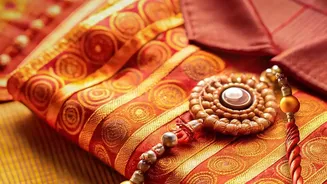
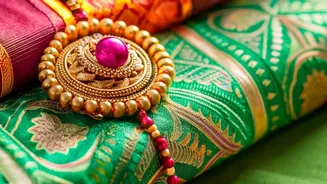
Beyond seeds, artisans are using a wide array of natural and upcycled materials. You can find rakhis made from bamboo, cork, reclaimed wood, terracotta, and natural fibres like cotton, jute, and banana fibre. Some creative makers are even repurposing fabric scraps from old sarees and other textiles to craft colourful and ornate designs. These upcycled creations give a new life to materials that would otherwise be discarded, transforming them into something meaningful. This approach not only reduces waste but also results in one-of-a-kind pieces that carry a unique story.
More Than Just a Gift
The movement towards sustainable festive gifting extends beyond just rakhis. The market is now filled with thoughtful, eco-conscious presents perfect for any occasion. Options include handcrafted wooden items like mugs and bowls, cushion covers made from Kantha patchwork, and decor pieces fashioned from reclaimed materials. Gifting a plant, such as a lucky bamboo or a medicinal herb, is also a popular choice, offering a present that grows and gives back. These gifts stand in stark contrast to disposable, plastic-heavy products, offering long-term value and daily usability. The focus is shifting from generic gift sets to curated, personal items that reflect a mindful lifestyle.
Empowering Artisans and Communities
Choosing sustainable crafts has a profound social impact. Many of these eco-friendly products are made by local artisans, women's self-help groups (SHGs), and small social enterprises across the country. Initiatives like the National Rural Livelihoods Mission are supporting women in districts like Raigarh, Chhattisgarh, to create and sell seed rakhis, providing them with financial independence. Buying these handcrafted goods helps support India's vast handicraft sector, putting money directly into the hands of skilled weavers and makers, a majority of whom are women. It's a conscious choice that preserves traditional craftsmanship while building stronger, self-reliant communities.
How to Make a Conscious Choice
As you prepare for the festivities, embracing this trend is easier than ever. Look for products labelled as 'eco-friendly', 'plantable', or 'upcycled'. Many artisan-led brands and online marketplaces now specialise in sustainable goods, clearly listing the materials used. When buying a rakhi, check for natural threads like cotton or jute instead of nylon, and embellishments made of clay, wood, or seeds rather than plastic. By asking questions and seeking out brands that are transparent about their sourcing and production, you can ensure your festive spending aligns with your values and contributes to a positive change.