

The Dangers of Damp Surfaces
The primary danger isn't just the slip hazard, though that is a real concern, especially for older pets or those with joint issues. The more significant threat comes from the cleaning products themselves. When your dog or cat walks across a wet floor,
chemical residues cling to their paws. Since pets groom themselves by licking, they inevitably ingest these chemicals. This direct ingestion can lead to a range of health issues, from mild stomach upset to severe poisoning. Furthermore, the fumes from strong cleaners in an enclosed space can irritate their sensitive respiratory systems.
Key Chemicals to Watch Out For
Many common household cleaners contain ingredients that are toxic to pets. Some of the most prevalent culprits include ammonia, chlorine (bleach), and phenols. Phenols, often found in disinfectants with a “pine” scent, are particularly dangerous for cats, as their livers cannot metabolize these compounds effectively. Other ingredients like isopropyl alcohol and formaldehyde can also cause harm. Exposure doesn't have to be from drinking the product directly; contact with a freshly cleaned surface is enough to cause a problem.
Recognising the Signs of a Problem
If a pet has been exposed to toxic cleaning agents, they may exhibit a variety of symptoms. Watch for excessive drooling, pawing at the mouth, vomiting, diarrhea, or a sudden loss of appetite. Respiratory signs can include coughing, sneezing, or difficulty breathing. Skin contact might result in redness, rashes, or even chemical burns. Neurological symptoms such as lethargy, disorientation, or seizures are also possible in serious cases. If you notice any of these signs after a cleaning session, it's crucial to contact your veterinarian immediately.
Creating a Pet-Safe Cleaning Routine
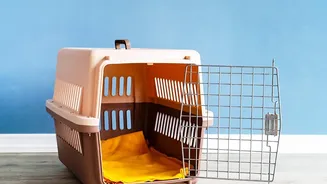
Protecting your pet doesn't mean you have to give up on a clean home. A few simple adjustments to your routine can make all the difference. The most important step is to isolate your pet in a separate room while you clean and until the floors are completely bone-dry. Open windows to ensure good ventilation, which helps dissipate fumes and speeds up drying time. When you're finished, inspect the floor to make sure there are no damp spots or puddles before letting your pet back into the area. This simple act of patience is your best line of defense.
Choosing Safer Cleaning Alternatives
Beyond waiting for floors to dry, consider switching to pet-safe cleaning products. Look for cleaners that are specifically formulated to be non-toxic to animals. Alternatively, you can create effective and affordable cleaners at home. A simple solution of equal parts white vinegar and water makes an excellent all-purpose floor cleaner for many surfaces like vinyl or tile. For disinfecting, you can use mixtures containing mild, plant-based soaps like castile soap. Baking soda is another fantastic, non-toxic option for scrubbing and deodorizing. These alternatives can effectively clean your home without leaving behind harmful residues.