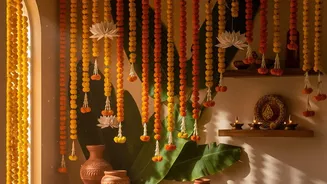

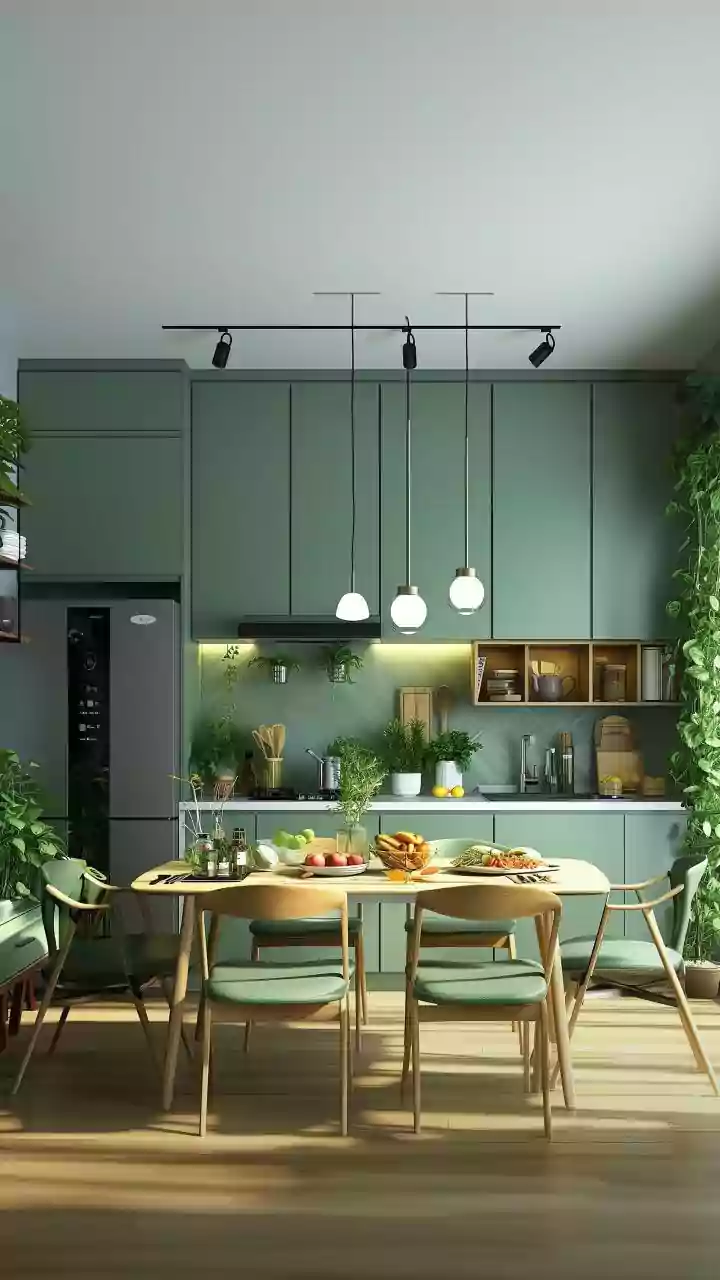



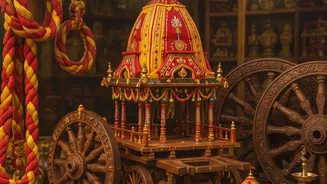
In a world of mass-produced furniture and uniform design, a growing movement seeks to infuse our homes with personality and soul. Increasingly, homeowners and designers are turning to traditional Indian textiles and ceramics to do just that.
A Rich Tapestry of Stories
More than
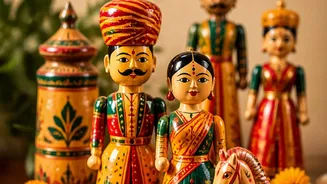
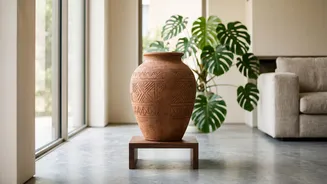
just decorative items, handcrafted textiles and ceramics are vessels of history and culture. Each piece, whether it's a Kalamkari tapestry depicting epic tales or a Kantha-stitched throw, carries the story of its origin and the artisan who made it. This narrative quality adds depth and a sense of identity to a room, transforming it from a styled space into a personal sanctuary. Unlike generic decor, these items have a past; a hand-block printed cushion cover from Rajasthan or a hand-thrown terracotta pot connects a modern home to centuries of artistic tradition. This desire for authenticity and cultural connection is a powerful driver behind the trend, making homes feel curated and meaningful rather than simply decorated.
The Beauty of the 'Imperfect'
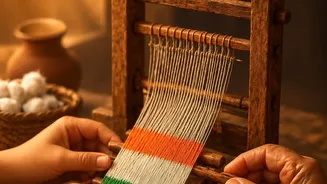
In an age of machine-made perfection, there is a growing appreciation for the subtle variations of the handmade. The slight inconsistencies in a block-printed pattern, the unique glaze on a ceramic bowl, or the texture of handwoven fabric are not seen as flaws, but as marks of authenticity. This appeal of the 'perfectly imperfect' provides a warm, human contrast to the often cold, hard lines of contemporary architecture and furniture. These pieces bring an organic, earthy quality into urban homes, creating a calming and grounded atmosphere. The focus shifts from flawless reproduction to the unique touch of the artisan, making each item a one-of-a-kind piece of art.
Aesthetic Versatility and Vibrancy
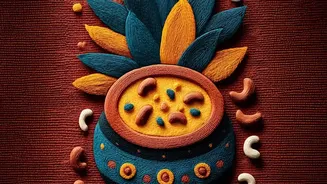
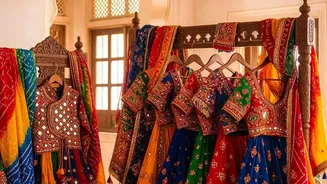
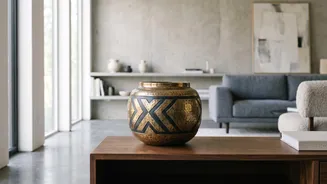
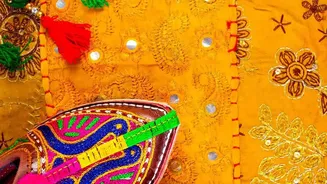
One of the most compelling reasons for the popularity of Indian crafts is their remarkable versatility. A brightly coloured Ajrakh throw can provide a splash of vibrancy in a minimalist living room, while the earthy tones of terracotta pottery can ground a more eclectic space. Traditional textiles like Ikat, Banarasi silk, and Chanderi can be used for everything from upholstery and curtains to statement wall hangings, seamlessly blending with various decor styles. Similarly, ceramics, from the iconic blue pottery of Jaipur to rustic black pottery, can serve as functional tableware or sculptural accents, adding texture and character wherever they are placed. This ability to complement both modern and traditional settings makes them a favored choice for interior designers.
The Rise of Conscious Consumerism
As consumers become more environmentally aware, there's a significant shift towards sustainable and ethically sourced decor. Traditional craft practices often align with these values, utilising natural materials like organic cotton, jute, cane, and clay, as well as natural dyes. Choosing handmade items is also a way to support artisan communities, preserve generational skills, and ensure fair wages. This conscious choice adds another layer of meaning to the objects we bring into our homes. It’s a move away from disposable, 'fast fashion' interiors towards investing in durable, timeless pieces that are both beautiful and responsibly made.
Modern Makers, Timeless Techniques
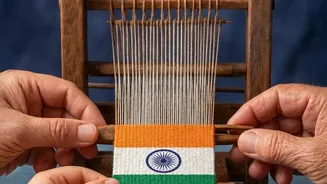
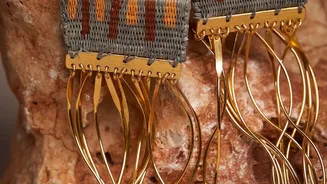
The trend is not just about preserving the past; it's also about reinventing it. A new wave of Indian designers is reinterpreting traditional crafts for a contemporary audience. They are experimenting with modern colour palettes, minimalist patterns, and innovative forms while still using age-old techniques. For instance, weavers are creating graphic tapestries that feel like structural art, and designers are transforming vintage textiles into modern silhouettes for furniture and lighting. This fusion of heritage and modernity ensures that these crafts remain relevant and exciting, preventing them from becoming museum artifacts and keeping them as a living, evolving part of contemporary design.