


The New Weave of Modern India
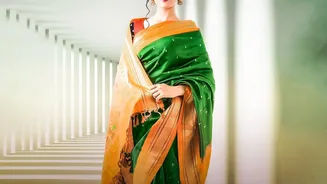
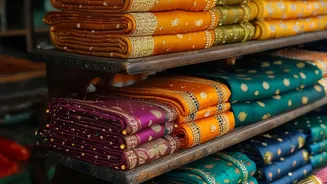
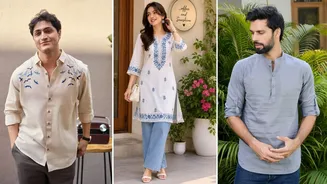
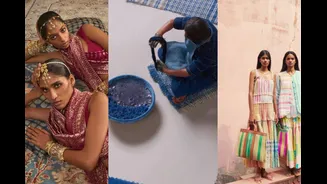
The evidence is undeniable: handloom is experiencing a renaissance. Once relegated to occasion wear, textiles like Benarasi, Chanderi, and Ikat are now integral to everyday expression. Designers and brands have been pivotal in this shift, reinterpreting
traditional weaves for modern wardrobes and proving that what's woven with heritage can be a statement of contemporary luxury. They are moving away from treating crafts as museum pieces and are instead making them relevant for today. This revival is not happening in silence; it is a proud and visible movement, celebrated on social media and championed by a new generation of consumers.
More Than Just a Fabric
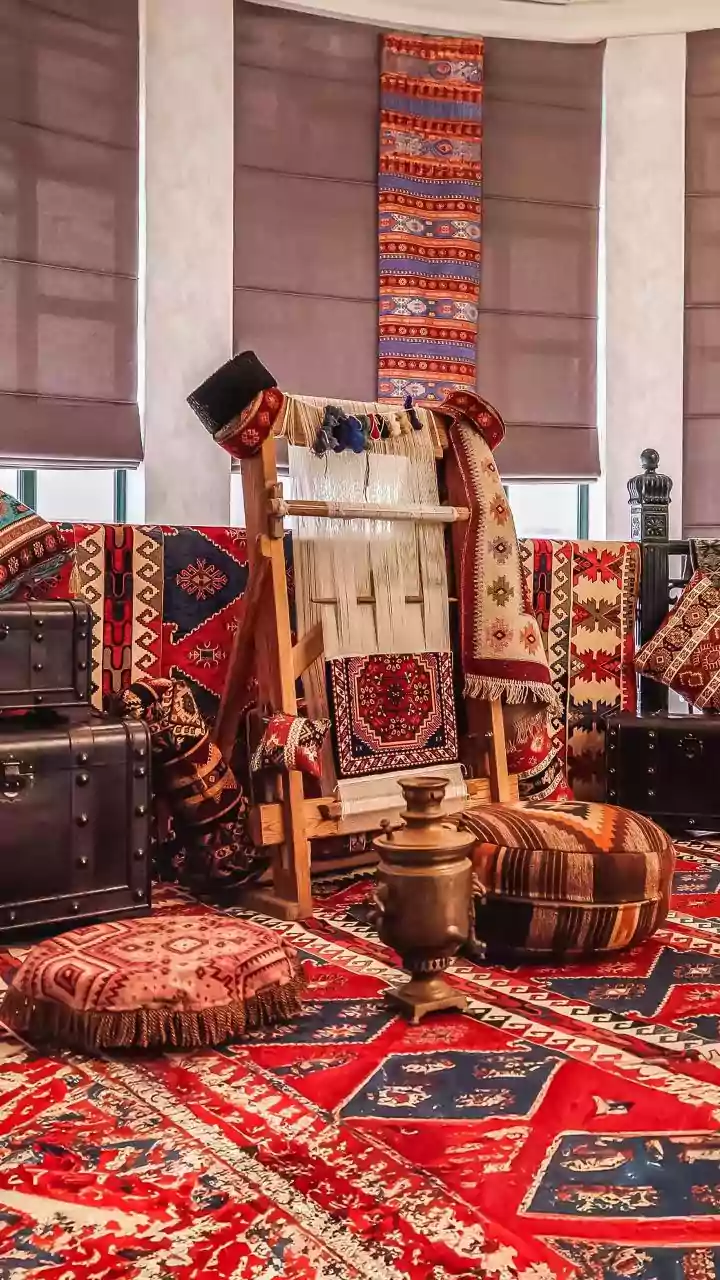
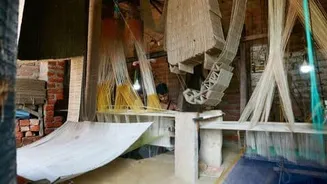
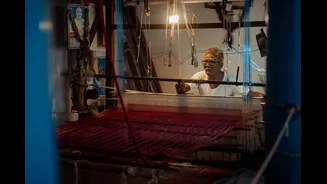
To understand the revival, one must look beyond the loom. Handloom is a symbol of India's cultural heritage, with each regional weave telling a unique story of its community. The industry is one of the oldest and largest cottage industries, providing livelihood to millions, with women comprising over 70% of the workforce. Therefore, choosing handloom is not just a style decision; it is an act of supporting cultural preservation and empowering rural communities. In an era of fast fashion, handloom stands as a beacon of sustainability. Its production uses minimal electricity, relies on natural fibres, and generates little waste, offering a powerful alternative to mass-produced textiles.
A New Language of Identity
For today's consumer, particularly younger generations, wearing handloom is about crafting a personal and public identity. It signals a move away from the homogeneity of fast fashion towards authenticity and conscious consumption. Pairing an heirloom sari with edgy accessories or wearing a gamcha dress is a way to connect with one's roots while asserting individuality. This new styling is less about rigid tradition and more about personal stories. It's a statement that values the human touch, the history behind the cloth, and a sustainable future, creating a new, globally relevant visual language rooted in Indian soil.
The Challenges Behind the Charm
Despite the positive momentum, the handloom sector faces significant hurdles. A primary challenge is the competition from cheaper, mass-produced powerloom fabrics, which often imitate handwoven designs. The rising cost of raw materials like cotton and silk puts further pressure on weavers, who struggle with low and unreliable incomes. This economic distress is causing many younger people from weaving families to seek livelihoods in other sectors, creating a skilled workforce shortage and threatening the long-term preservation of these crafts. For the revival to be truly sustainable, it must address the financial security of the artisans who are the backbone of this heritage.
Weaving a Sustainable Future
The future of handloom depends on more than just consumer interest; it requires a robust ecosystem. This includes stronger branding that communicates the value of authenticity and craftsmanship over machine-made products. Government initiatives like the Handloom Mark, which authenticates genuine products, and schemes providing access to raw materials and credit are crucial steps. However, the real key lies in bridging the gap between artisan and market, ensuring weavers receive fair value for their incredible skill. By investing in design innovation, embracing technology for market access, and fostering a deep respect for the craft, this revival can be more than a trend—it can become a powerful, enduring symbol of heritage-led, sustainable commerce.