






More Than Just Rising Water
For decades, the primary narrative linking climate change and coastal erosion has been simple: as global temperatures rise, ice caps melt and seawater expands, causing global mean sea level to rise. This is an undeniable and critical threat. Higher seas
allow waves and storm surges to reach further inland, flooding and eroding areas previously considered safe. According to the IPCC, the rate of sea-level rise is accelerating, having nearly tripled in the last decade compared to the 20th century average. But to focus only on the height of the water is to miss other powerful and destructive forces that climate change has unleashed on our shores.
The Ocean’s Increased Fury
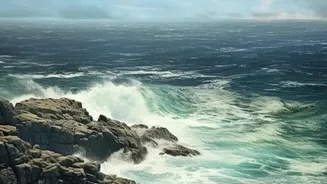
A warmer world means a more energetic climate system. Warmer ocean temperatures are fueling more intense and frequent storms. These supercharged storms bring stronger winds and generate bigger, more powerful waves that hammer coastlines with far greater erosive force. The problem is not just one of brute force, but also of direction. Climate change is altering historic storm patterns, meaning waves are now striking coastlines from new angles. Coastal infrastructure and natural defences that were once sheltered may now be directly exposed and highly vulnerable to this unprecedented assault.
Where Has All the Sand Gone?
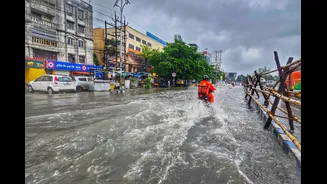
A stable coastline depends on a balanced sediment budget—the sand and soil that naturally replenish it. Climate change is throwing this budget into chaos. Altered rainfall patterns are a major culprit. More intense, erratic rainfall can cause floods that wash huge amounts of sediment out to sea, starving the coast. Conversely, prolonged droughts, also linked to climate change, can reduce the flow of rivers that are essential for transporting sediment to the coast. This sediment starvation means beaches and deltas have less material to rebuild themselves after storms, leaving them increasingly susceptible to being washed away. In some cases, human activities like dam construction and sand mining compound this problem, but climate change is a powerful, overarching accelerator.
A Direct Threat to India's Shores
This global crisis has severe local implications for India, with its vast 7,500-kilometre coastline home to around 250 million people. Reports indicate that a significant portion of this coastline is already experiencing erosion, with states like West Bengal, Kerala, and Tamil Nadu being particularly vulnerable. India lost 235 square kilometres of land to coastal erosion between 1990 and 2016. The double-impact of more intense cyclones in the Bay of Bengal and Arabian Sea, combined with altered monsoon patterns affecting river sediment flow, puts coastal communities, critical infrastructure in cities like Mumbai and Chennai, and fragile ecosystems like the Sundarbans at immense risk.
The Unseen Consequences Below
The impacts of this multifaceted erosion extend beyond just losing land. As coastlines retreat, saltwater intrusion into coastal aquifers becomes more common, contaminating freshwater sources essential for drinking and agriculture. Natural barriers that protect the coast, such as coral reefs and mangroves, are also under threat. Ocean acidification, another consequence of increased CO2, weakens coral reefs, while changes in sediment flow and sea levels can destroy mangrove forests. The loss of these natural buffers creates a dangerous feedback loop, further accelerating erosion and leaving coastal populations even more exposed.