



The Search for Warmth
After a long period defined by minimalist and sometimes sterile palettes of gray and white, there's a collective desire for spaces that feel more comforting and grounded. Designers and homeowners alike are seeking warmth, texture, and authenticity in their
living environments. This shift is partly a reaction to the cool tones that have been popular for so long, but it also reflects a deeper need for our homes to be true sanctuaries—reassuring, stable, and connected to nature. This is where brown, in all its earthy glory, comes into its own. It's a color associated with security, reliability, and comfort, making it a natural choice for creating inviting interiors.
Why Brown, Why Now?
The resurgence of brown isn't just a fleeting trend; it's rooted in color psychology and a broader cultural movement towards wellness and authenticity. Shades like chocolate, caramel, and espresso connect us to natural elements like wood, soil, and leather, fostering a sense of being grounded. This biophilic connection is a key driver in modern design. Furthermore, there’s a touch of nostalgia at play, with nods to the earthy palettes of the 1970s and the rich, layered looks of the 1990s. Interior design trends for 2026 are heavily focused on emotional comfort, and brown delivers a sense of lived-in luxury that feels both timeless and incredibly current.
Start Small with Accessories
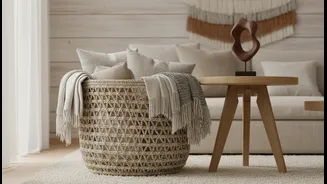
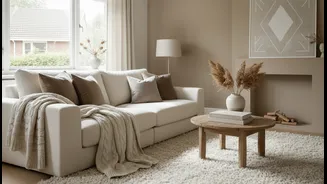
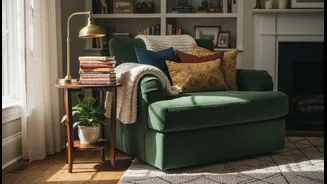
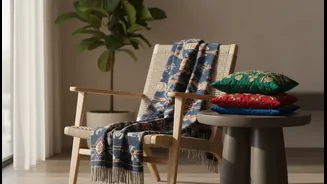
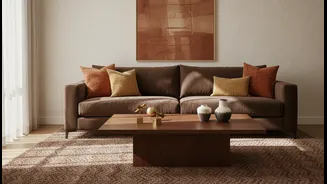
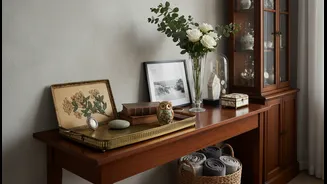
Adopting a new color doesn't require a complete overhaul. One of the easiest and most practical ways to introduce warm browns is through accessories. Think about adding a rich chocolate brown velvet cushion to a cream sofa, draping a caramel-hued throw blanket over an armchair, or placing a dark wood tray on a coffee table. These small touches can instantly add warmth and depth. Other simple swaps include amber glassware, ceramic vases in earthy tones, or even artwork that features a brown-dominant palette. These pieces act as warm accents that can tie a room together without a major commitment.
Embrace Texture and Material
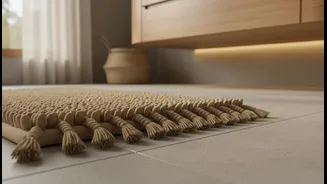
Brown's true strength is revealed when it's expressed through different textures. The same shade can feel completely different depending on the material. A smooth, cognac leather chair has a sophisticated and timeless appeal, while a chunky brown knit throw feels cozy and rustic. Mixing these textures is key to preventing the color from feeling flat. Look for opportunities to layer materials: pair a jute or sisal rug with dark wood furniture, or combine linen curtains with a velvet sofa. These textural plays not only add visual interest but also make a space feel more dynamic and thoughtfully curated.
The Perfect Color Pairings
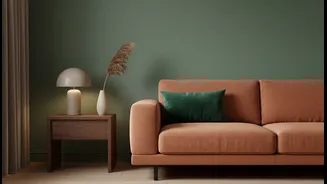
Brown is a surprisingly versatile neutral that pairs beautifully with a wide range of colors. For a classic and calming look, combine different shades of brown with creamy whites and soft taupes to create a layered, monochromatic scheme. To add a touch of modern elegance, pair brown with warm metallics like brushed brass or bronze. For a more dynamic and earthy palette, brown works wonderfully with sage green, dusty pink, and deep terracotta or burnt orange. It also provides a stunning backdrop for bolder jewel tones like emerald green or sapphire blue, making them pop.
Going Bold with Brown Walls
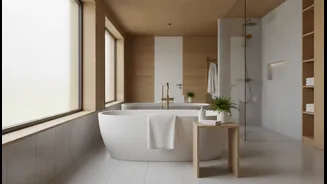
While painting a room brown might seem daunting, it can create an incredibly chic and enveloping atmosphere. A dark chocolate brown accent wall can add drama and make lighter furniture and artwork stand out. In a bedroom, a deep brown can create a cozy, restful retreat. To prevent a room from feeling too dark, ensure there is plenty of natural light and balance the deep wall color with light-colored flooring, trim, and ceilings. Another designer trick is to use a paint with a satin or semi-gloss finish, which will reflect light and give the walls a subtle glow, preventing the color from appearing flat.