







The Sweet Shift in Our Kitchens
Walk into any trendy cafe or scroll through a food blogger’s Instagram feed, and you'll notice a distinct trend: white sugar is out. In its place, you’ll find drizzles of golden honey and pastes of rich, dark dates. This isn’t just a fleeting fad; it represents
a larger shift in how young, health-aware Indians view nutrition. They are reading labels, asking questions, and actively moving away from highly processed ingredients. The villain in this story is refined white sugar, and the heroes, it would seem, are its natural counterparts. This conscious uncoupling from sugar is driven by a desire for 'clean eating' and a belief that 'natural' is always a synonym for 'healthy'.
Why The War on White Sugar?
For decades, refined sugar has been a staple in Indian households. But its reputation has soured. Nutrition science has clearly linked excessive consumption of refined sugar to a host of health problems, including weight gain, type 2 diabetes, and heart disease. The primary issue is that it provides 'empty calories'—energy with virtually no nutritional benefits like vitamins, minerals, or fibre. Its high glycemic index causes rapid spikes in blood sugar, leading to energy crashes and cravings. Understanding this, young consumers are right to be wary. They are looking for sweeteners that do more than just add sweetness; they want nutritional value for their caloric buck.
The Case for Honey: Nature's Liquid Gold
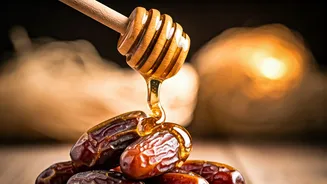
Honey has been revered in Ayurvedic traditions for centuries, and modern science backs some of these claims. Unlike sugar, honey is not just empty calories. It contains trace amounts of vitamins and minerals, as well as antioxidants, which help fight cell damage in the body. Raw, unprocessed honey also has natural antibacterial and anti-inflammatory properties. Furthermore, honey has a slightly lower glycemic index (GI) than table sugar, meaning it raises blood sugar levels a bit more slowly. This makes it a marginally better choice for managing energy levels. However, it's a fine line. Honey is still a sugar, primarily composed of fructose and glucose, and it is even more calorie-dense than white sugar per tablespoon.
The Power of Dates: A Whole Food Sweetener
Dates are perhaps the most nutritionally robust of the popular sugar alternatives. The key difference is that dates are a whole fruit, not just an extract. When you use dates or date paste as a sweetener, you are getting more than just sugar. You’re also getting a significant dose of dietary fibre. This fibre is a game-changer because it slows down the absorption of sugar into the bloodstream, preventing the sharp spikes associated with refined sugar. On top of that, dates are packed with essential minerals like potassium, magnesium, and copper, as well as antioxidants. This makes them a nutrient-dense option that contributes positively to your overall diet beyond just providing a sweet taste.
The Reality Check: Sugar is Still Sugar
Here's the crucial myth to bust: swapping sugar with honey or dates does not give you a free pass to indulge. Your body metabolizes the fructose and glucose in honey and dates in much the same way it metabolizes sucrose from table sugar. Excessive intake of any form of sugar will contribute to weight gain and related health issues. A tablespoon of honey has about 64 calories, while a tablespoon of sugar has about 49. While dates have fibre, they are also high in natural sugars and calories. The principle of moderation is non-negotiable. The goal should be to reduce overall sugar intake, not just swap one source for another while maintaining the same high level of consumption.
The Verdict: A Smarter, Not a 'Free' Choice
So, are health-conscious youth right to pick honey and dates over sugar? The answer is a qualified yes. The choice is smarter not because these alternatives are 'sugar-free' but because they are 'more-than-sugar'. They offer additional nutritional benefits—antioxidants from honey, and fibre and minerals from dates—that refined sugar completely lacks. This switch reflects a more mindful approach to eating, prioritising whole, nutrient-dense foods over processed, empty ones. It's a positive step, as long as it's paired with an understanding that all sweeteners should be consumed in moderation as part of a balanced diet.