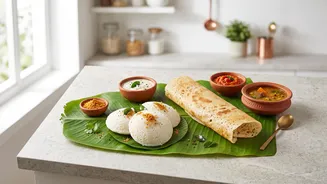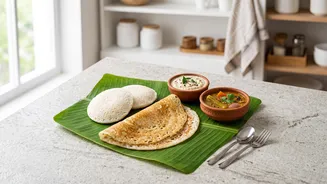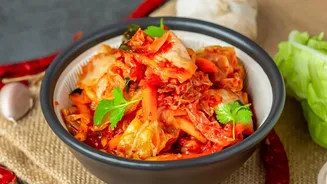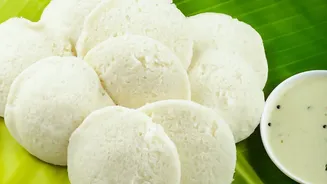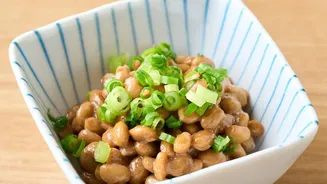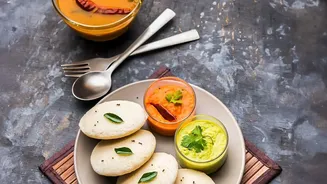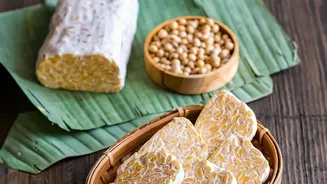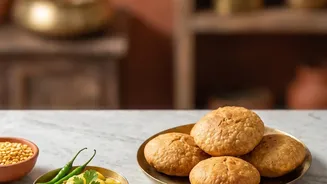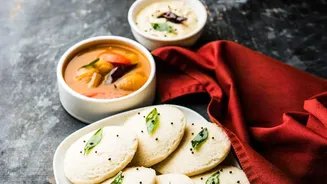

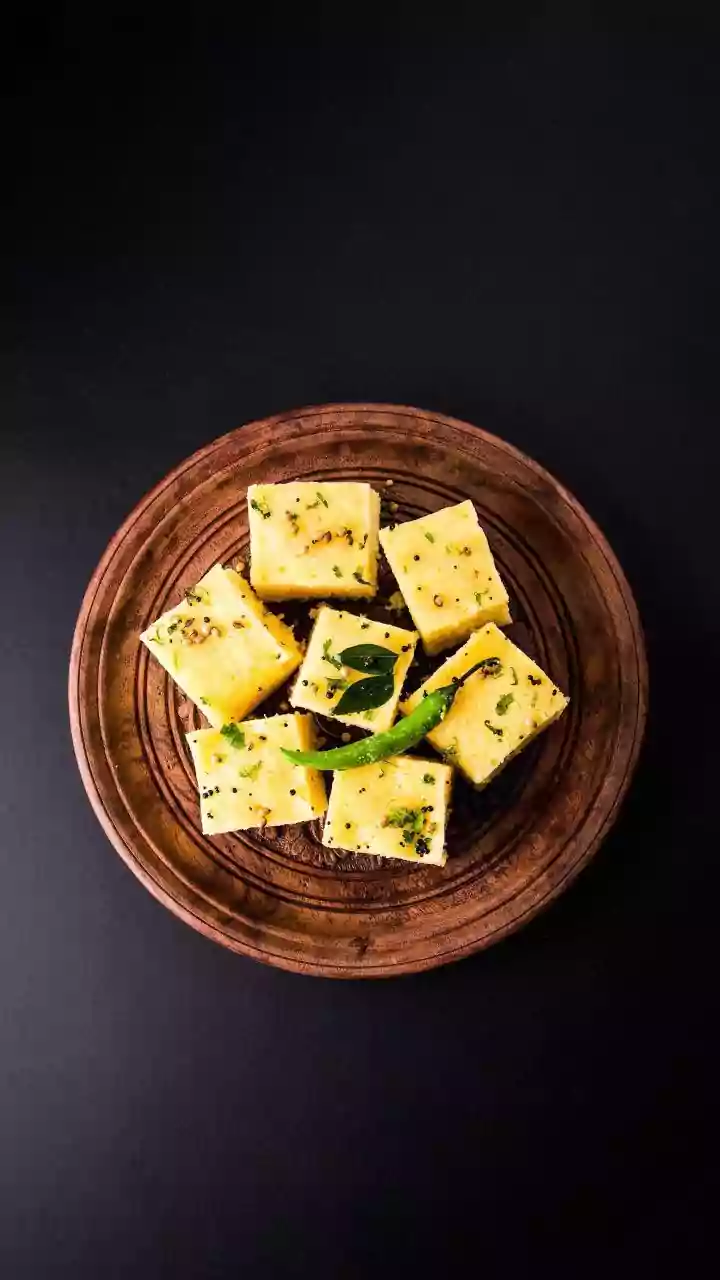
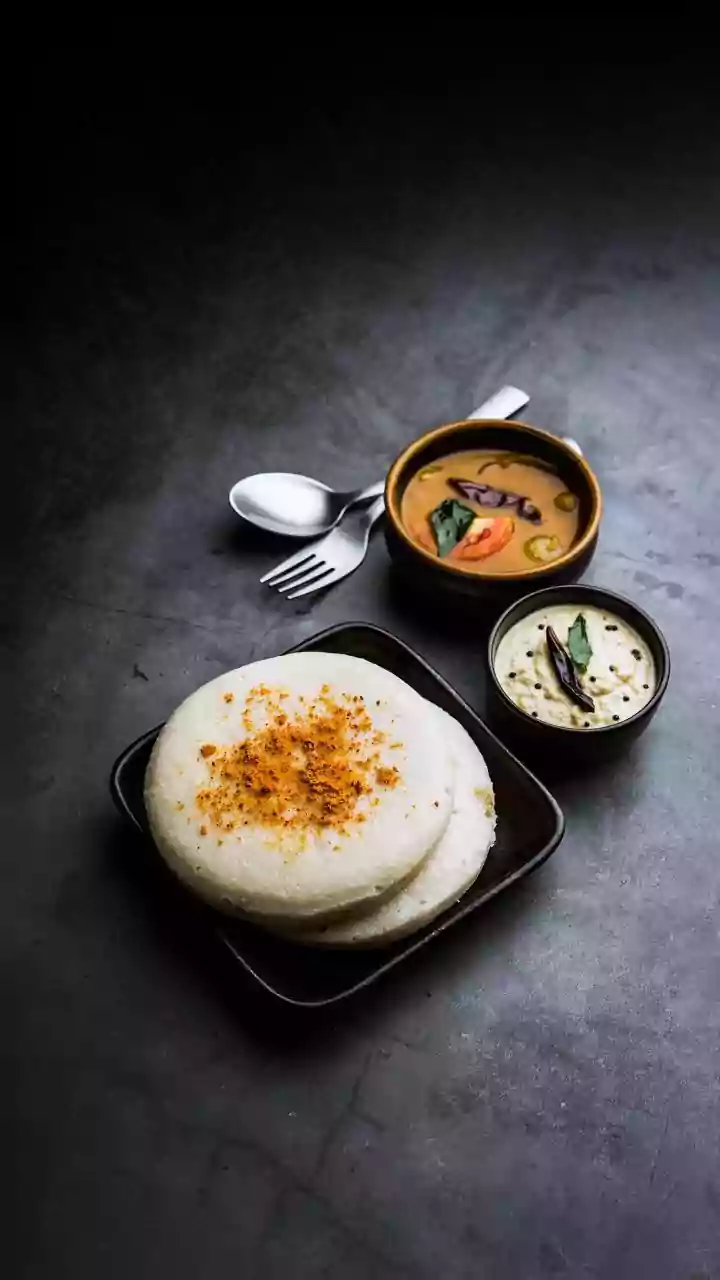
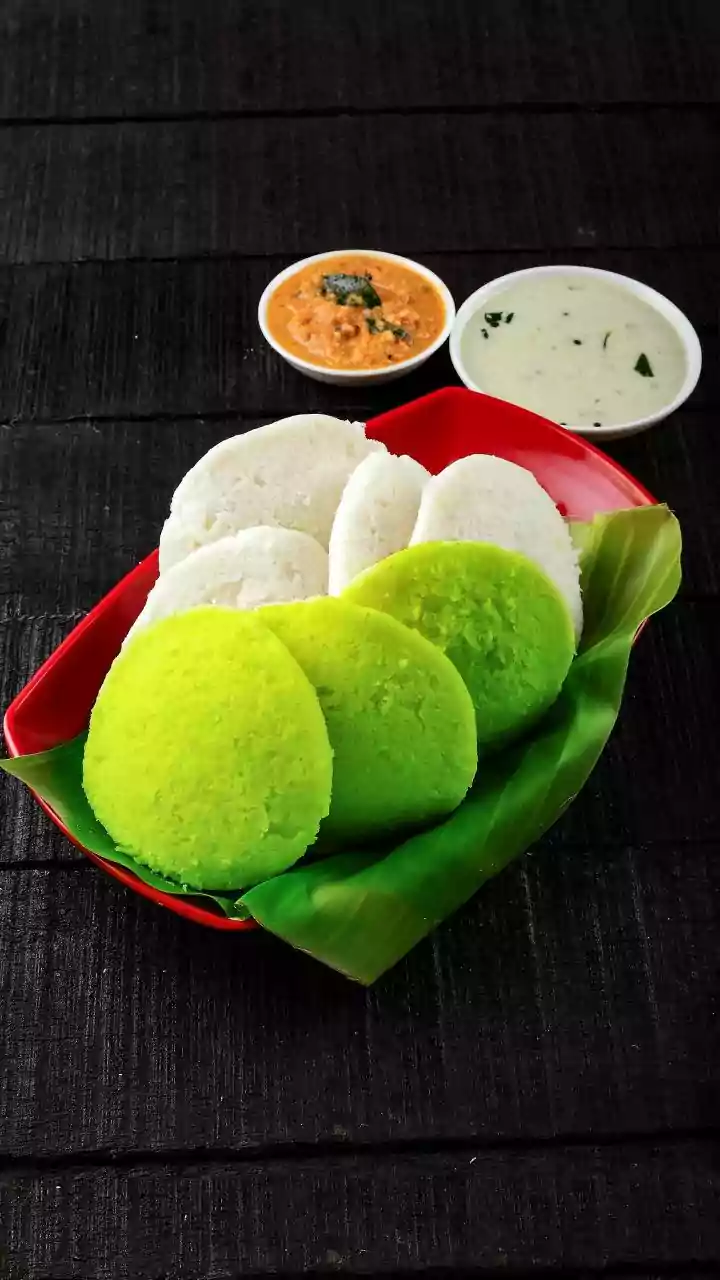
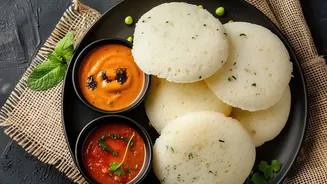
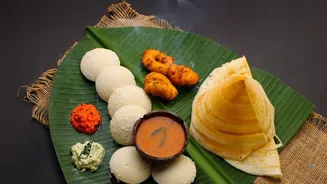
The magic behind fluffy idlis and crisp dosas is more than just taste and texture. This ancient culinary tradition is a powerful nutritional process, transforming simple grains and pulses into superfoods packed with health benefits.
The Science of Souring
At its heart, fermentation
is a natural process where microorganisms like bacteria and yeasts break down carbohydrates—the starches and sugars in food. In the context of Indian cooking, this typically involves soaking rice and lentils (dal), grinding them into a batter, and letting it rest for several hours. During this time, beneficial microbes get to work, 'pre-digesting' the batter. This transformation is what gives foods like idli and dhokla their characteristic sour tang and light, airy texture, but the benefits go far beyond flavour.
Unlocking Minerals by Tackling 'Anti-Nutrients'
Grains and pulses naturally contain compounds called 'anti-nutrients', such as phytic acid. These substances can bind to essential minerals like iron, zinc, and calcium, preventing your body from absorbing them effectively. This is where fermentation works its magic. The process significantly reduces these anti-nutrients. As phytic acid is broken down, it 'unlocks' the minerals, making them more bioavailable. This means your body can absorb more of the iron from urad dal and the calcium from rice, turning a simple meal into a much more nourishing one.
A Natural Factory for Vitamins and Protein
Fermentation doesn't just unlock existing nutrients; it also creates new ones. The microbial activity synthesises a range of B vitamins, including B2 (riboflavin) and B9 (folate), which are vital for energy metabolism and cell health. Some fermentation processes can even produce vitamin B12, a nutrient rarely found in plant-based foods. Furthermore, the process breaks down complex proteins in the lentils and grains into simpler amino acids and peptides. This makes the protein easier for your body to digest and use for functions like muscle repair and maintenance.
Cultivating a Healthy Gut
The term 'probiotic' has become a modern health buzzword, but it's an intrinsic part of traditional fermented foods. The fermentation of batters for idli and dosa cultivates beneficial bacteria, such as Lactobacillus. Consuming these foods introduces these live microorganisms into your digestive system, helping to support a balanced and healthy gut microbiome. A thriving gut is linked to numerous health benefits, including smoother digestion, reduced bloating, and a stronger immune system, as a significant portion of our immune cells reside in the gut.
The Wisdom in Our Kitchens
From the soft, steamed idli to the golden, crispy dosa and the spongy, savoury dhokla, these beloved dishes are a testament to the scientific wisdom embedded in Indian culinary traditions. The simple act of allowing a batter to ferment elevates it from a basic mixture of rice and lentils into a nutritional powerhouse. It makes the food easier to digest, richer in vitamins, and higher in bioavailable minerals, all while supporting gut health. It’s a perfect example of how ancient practices pre-empted modern nutritional science, creating meals that are both delicious and deeply nourishing.