

First, Find a Planet
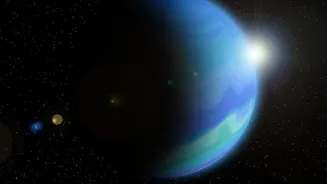
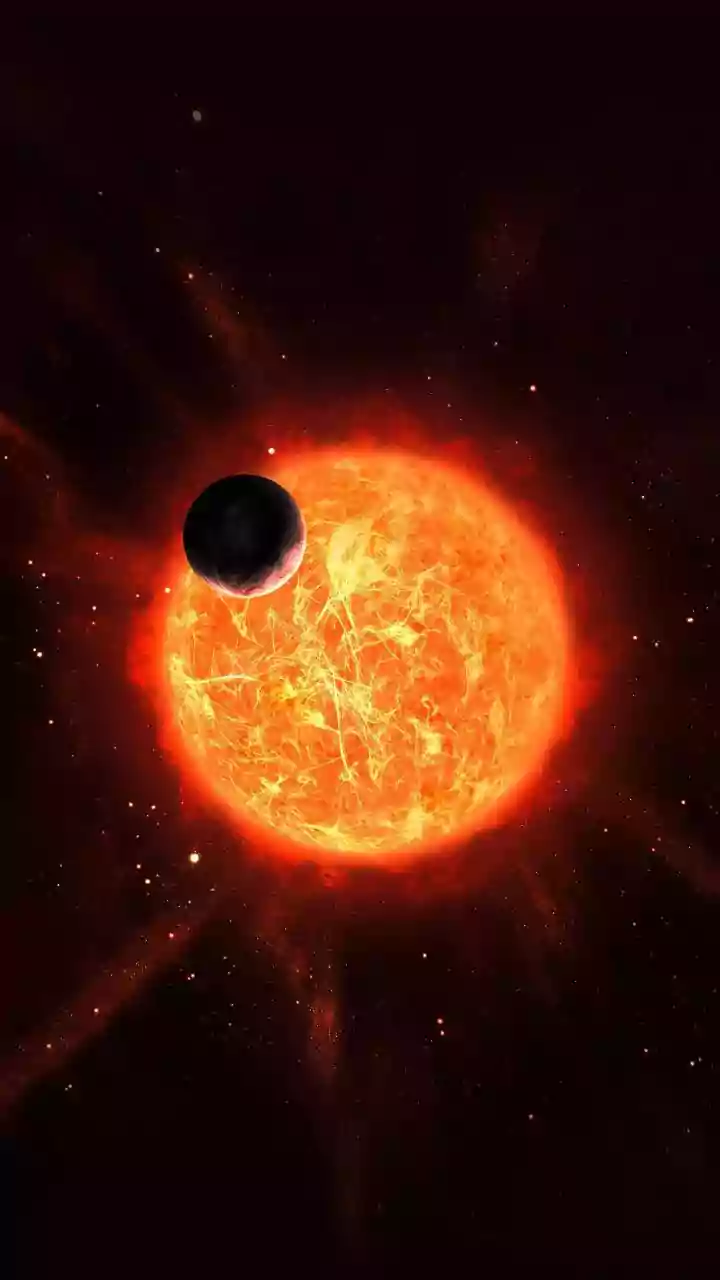
Before scientists can study an exoplanet's atmosphere, they first have to find the planet. One of the most successful techniques is the 'transit method'. This involves monitoring a star for tiny, periodic dips in its brightness. These dips can signal
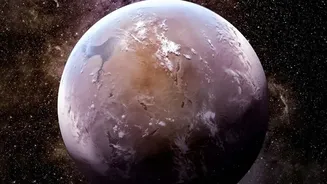
that a planet is passing in front of its star from our point of view, much like a moth flying in front of a distant streetlamp. By measuring how much the starlight dims, astronomers can determine the size of the planet. Thousands of exoplanets have been discovered this way, providing a rich catalogue of worlds to investigate further. This transit alignment is crucial because it creates the perfect opportunity to see what kind of air, if any, surrounds the distant world.
The Art of Transit Spectroscopy
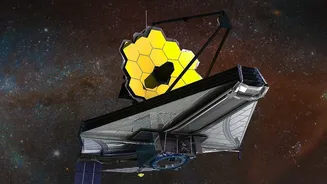
This is where the real detective work begins. The method used to 'read' an exoplanet's atmosphere is called transit spectroscopy. During a transit, most of the starlight is blocked by the planet itself. However, a tiny sliver of that light filters through the planet's atmospheric layer. As the starlight passes through this atmosphere, gases present in it absorb very specific colours, or wavelengths, of light. When that light finally reaches a telescope like the James Webb Space Telescope (JWST), it carries a 'fingerprint' of the chemicals in the planet’s air. By analysing this filtered light and comparing it to the star's original, unfiltered light, scientists can identify which gases are present.
Hunting for Biosignatures
A biosignature is a substance, pattern, or process that provides evidence of life. In the context of exoplanet atmospheres, this usually refers to gases that are produced by living organisms. On Earth, for example, the large amount of oxygen is a direct result of photosynthesis by plants and microorganisms. Scientists look for a specific suite of gases that could point to biological processes. Key molecules include oxygen and its photochemical byproduct, ozone, as well as methane and nitrous oxide. The simultaneous presence of gases that would not normally coexist, like methane and oxygen, can be a particularly strong indicator, as they would require a constant source — like life — to replenish them.
The Power of the Webb Telescope
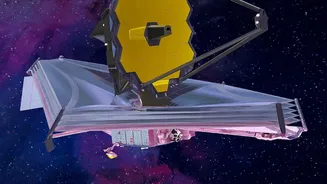
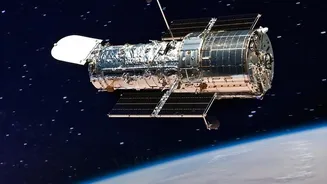
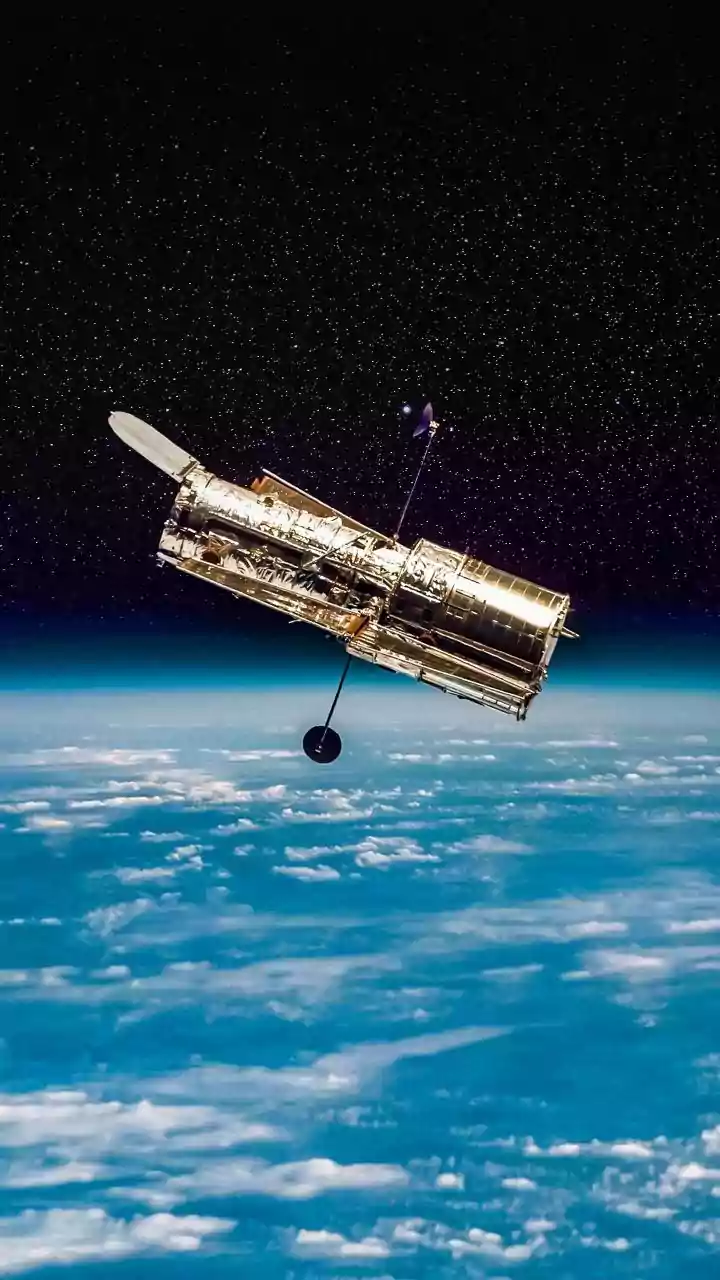
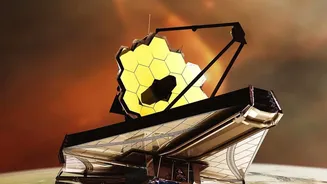
The James Webb Space Telescope (JWST) has revolutionised this field. Positioned in space, it avoids the distortion caused by Earth's own atmosphere, which is full of water vapour and other gases that can interfere with observations. JWST is optimised to detect infrared light, which is ideal for identifying many key molecules, including water vapour, methane, and carbon dioxide. The telescope's incredible sensitivity allows it to capture the faint signals filtered through the atmospheres of even small, rocky planets. It has already successfully detected carbon dioxide on gas giants and is now being used to study terrestrial worlds in the habitable zone — the region around a star where conditions could allow for liquid water.
A Word of Caution: False Positives
The search for biosignatures is incredibly complex, and scientists are extremely cautious about their claims. A major challenge is ruling out 'false positives' — instances where a gas thought to be a sign of life is actually produced by non-biological processes, like geology or atmospheric chemistry. For instance, volcanoes can release gases that might mimic biosignatures, and the intense ultraviolet radiation from a planet's star can create molecules that look promising but have nothing to do with life. For this reason, confirming a biosignature requires extraordinary evidence and rigorous follow-up studies to ensure all abiotic sources can be ruled out. Scientists are concerned that even with our best tools, we might misinterpret signals or overlook life because it doesn't conform to our expectations.