



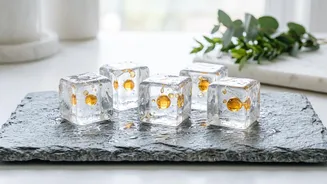
A new skincare hack is chilling out on social media: DIY retinol ice cubes. The trend promises anti-aging benefits on a budget, but before you freeze your favourite serum, let’s look at what the science says about this frosty facial fad.
The Icy Allure of a Viral Hack
On platforms like
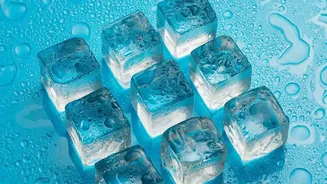
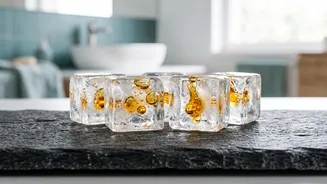
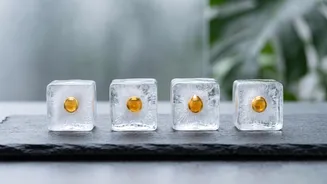
TikTok, users are demonstrating how they mix retinol products with water, freeze the concoction in ice moulds, and then rub the frozen cubes over their faces. The purported benefits are twofold: the cold temperature is said to reduce puffiness and inflammation, while the retinol provides its famous anti-aging effects. The appeal is obvious. It combines the well-known de-puffing trick of using ice with the 'gold standard' anti-aging ingredient, retinol, all in a simple, affordable at-home treatment. It seems like the ultimate skincare two-for-one. But combining active ingredients and extreme temperatures isn’t always a straightforward recipe for success.
How Retinol Actually Works
Before we can understand why freezing it is problematic, it's important to know how retinol works. Retinol is a type of retinoid, a derivative of vitamin A. When applied to the skin, it converts to retinoic acid, the active form that gets to work on a cellular level. It accelerates skin cell turnover, which helps unclog pores, smooth texture, and even out skin tone. It also stimulates the production of collagen and elastin, the proteins that keep our skin firm and plump, thereby reducing the appearance of fine lines and wrinkles. This powerful activity is why retinoids are considered a top-tier ingredient by dermatologists for everything from acne to signs of aging.
The Science of Instability
Here's where the DIY ice cube trend begins to melt under scrutiny. Retinol is a notoriously unstable molecule. It degrades quickly when exposed to light, air, and heat. This is why you’ll often find retinol serums in opaque, airtight pump bottles. While some people refrigerate their retinoids to slow this degradation, freezing is a different story. According to skincare experts, freezing can destabilize the formula, potentially causing ingredients to separate and, most importantly, destroying the potency of the retinol itself. While refrigeration can extend the life of some products, one study noted that letting retinoids freeze can 'irreversibly destroy potency'. Most skincare products are formulated to be stored at room temperature, and extreme cold can ruin their texture and effectiveness.
The Problem with DIY Formulations
Beyond the issue of temperature, creating your own skincare concoctions is fraught with risks. Cosmetic chemists formulate products in sterile, controlled lab environments for a reason. When you mix a product at home, you introduce the risk of bacterial contamination, as homemade mixtures lack the sophisticated preservative systems of commercial products. Furthermore, dosing is a major concern. Retinoids are potent, and using too much or an improperly mixed formula can lead to significant irritation, redness, peeling, and a damaged skin barrier. Mixing a professionally formulated retinol serum or cream with water dilutes it unpredictably and disrupts the carefully balanced delivery system designed by chemists to ensure it's both effective and gentle on the skin.
What Dermatologists Recommend
The consensus among skin experts is clear: skip the DIY retinol ice cubes. While the cooling sensation of ice can temporarily reduce puffiness by constricting blood vessels, you can get that benefit from a plain ice cube wrapped in a soft cloth or a dedicated cryo tool. When it comes to retinol, it's crucial to use products that have been professionally formulated and tested for stability and efficacy. These products are designed to protect the active ingredient and deliver it to your skin safely. Dermatologists can help you choose the right product, whether it's an overthecounter retinol for beginners or a stronger, prescriptionstrength retinoid for more significant concerns.