









The Old Playbook Is Obsolete
For years, the campus hiring process in India was a predictable script. Recruiters from major IT and manufacturing firms would filter candidates based on their college's reputation and, most importantly, their Cumulative Grade Point Average (CGPA). [7]
A high CGPA from a top-tier institution was often enough to secure a spot in the next round. This degree-first filtering was the standard operating procedure. [19] However, this model is rapidly becoming outdated. Companies have learned a hard lesson: academic performance is often a poor predictor of on-the-job success. [19] In a dynamic, tech-driven economy, the ability to solve real-world problems matters more than theoretical knowledge, and a degree alone no longer guarantees that capability. [14]
Why the Shift to a 'Proof Game'?
Several factors are driving this fundamental shift. Firstly, there's the widening skills gap. Reports consistently show that while India produces millions of graduates, a large percentage are not considered employable for the roles they seek. [22] Employers are struggling to find candidates with the right skills, even from premier campuses. [19] Secondly, the rapid pace of technological change, especially the rise of Artificial Intelligence (AI), means that many university curricula can't keep up. [14] Skills learned on the job or through self-teaching are becoming more valuable. [21] Consequently, employers are shifting to a skills-based hiring model that prioritizes demonstrated competencies over academic credentials. [9] This new approach focuses on one key question: "Can this person do the work, and how do we know?" [17]
What 'Proof' Looks Like in 2026
So, what kind of proof are companies demanding? It's all about tangible evidence of skills and capabilities. This includes project portfolios, often hosted on platforms like GitHub, that showcase coding skills or design work. [7, 23] Internships have become critically important, moving from a 'good-to-have' to a near-mandatory experience that bridges the gap between theory and practice. [3, 8] Many companies now use high-performing interns as their primary recruitment pipeline, extending pre-placement offers (PPOs) to secure top talent early. [12] Other forms of proof include participation and success in hackathons, specialized certifications in in-demand fields like AI or data analytics, and practical coding assessments. [5, 23] Companies like Google, Zoho, and TCS are increasingly prioritizing these practical demonstrations over the degree itself. [5, 6]
The Role of AI in the New Game
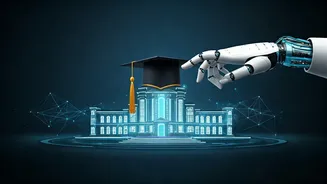
Artificial Intelligence is not just a skill employers are looking for; it's also a tool they are using to find the right candidates. [10] AI-powered platforms are now central to the recruitment process, helping companies screen, assess, and shortlist candidates at scale. [2] These systems can automatically filter applications, manage virtual campus drives, and conduct technical assessments and even behavioral interviews. [13, 20] For students, this means their digital footprint and online assessments are more important than ever. AI can analyze coding tests, evaluate project portfolios, and even score virtual interview simulations to provide recruiters with a detailed competency report, making the hiring process more data-driven and objective. [2, 15]
How Students Can Build Their 'Proof' Portfolio
For students navigating this new landscape, the message is clear: start building your proof early. The focus must shift from solely chasing grades to acquiring and demonstrating practical skills. The first step is to actively seek out internships that provide real industry experience. [18] Beyond that, work on personal projects that solve a problem or demonstrate a passion. Contribute to open-source projects to show collaborative coding skills. Participate in hackathons and coding challenges to test your abilities under pressure. [14] Build a professional online presence, particularly on platforms like LinkedIn, and curate a portfolio that tells a compelling story of your skills and accomplishments. [23] Remember, in this new game, you are not just a student; you are a professional-in-training, and your portfolio is your resume.