



The Shift to Digital: What Is an eVisa?
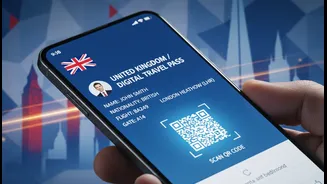
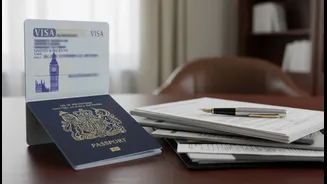
The United Kingdom is moving away from traditional paper and sticker-based visas. As of early 2026, the process has become fully digital. For Indian travellers, this means that if your visa application is successful, you will receive an 'eVisa' instead
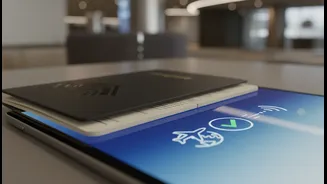
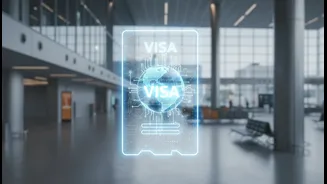
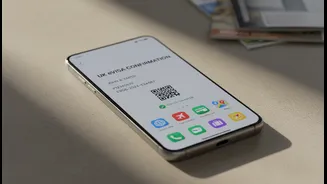
of a vignette sticker in your passport. An eVisa is a digital confirmation of your permission to travel to and stay in the UK, linked electronically to your passport. This change is part of a wider government strategy to digitise the UK border, making the system more secure and streamlined. According to the UK Home Office, a digital visa cannot be lost, stolen, or tampered with, and allows for instant verification of your immigration status.
Clearing Up Confusion: ETA vs. eVisa
There's a lot of talk about the UK's new Electronic Travel Authorisation (ETA), but it's crucial for Indian passport holders to understand the difference. The ETA is for nationals of countries that do not need a visa for short stays in the UK, such as the US, Canada, and EU member states. India is a 'visa national' country, meaning its citizens have always required a visa to visit the UK. This requirement has not changed. Therefore, Indian citizens must still apply for a standard visitor visa (or other relevant visa type), not an ETA. The main change is that your approved visa will now be an eVisa, a digital record rather than a physical sticker.
The New Application Journey
While the outcome is now digital, the application process for Indian travellers remains largely familiar. You will still need to fill out an online application form on the UK government's website, pay the visa fee, and book an appointment at a visa application centre (VAC). A key change is that while you must still attend the VAC to provide biometric information (fingerprints and a photograph), you may no longer need to submit your passport for the duration of the processing period. This is a significant convenience, freeing up your passport for other potential travel. Once a decision is made, you will receive your eVisa digitally.
Your Digital Responsibilities
The move to a digital system places new responsibilities on the traveller. You must create and manage a UK Visas and Immigration (UKVI) online account, which will house your eVisa. It is vital to ensure that the details on your eVisa, especially your passport information, are always correct and up to date. If you get a new passport, you must update the details in your UKVI account before you travel. Airlines will verify your immigration status digitally before you board, and any mismatch between your passport and your eVisa record could lead to you being denied boarding.
What Does This Cost?
The cost of the visa itself has not been directly impacted by the switch to an eVisa format, but applicants should always check the latest fees on the official GOV.UK website as they are subject to change. For context, the separate ETA scheme required for visa-exempt nationals costs travellers around £20 per application. However, for Indian citizens, the cost will be for the relevant UK visa they apply for, such as the Standard Visitor Visa. The primary change is the method of delivery (digital instead of physical), not an overhaul of the visa fee structure for Indian applicants. The new system is designed for efficiency and security, not to introduce new costs for those already in the visa application system.