



Why Your Morning Meal Matters So Much
For many, blood sugar can be naturally higher in the morning due to hormonal changes overnight. This makes your breakfast a strategic meal that sets the metabolic tone for the rest of the day. A meal high in simple carbohydrates and sugar can cause a sharp
spike in blood glucose, followed by a crash that leaves you feeling tired, foggy, and hungry well before lunchtime. A well-constructed breakfast, however, can lead to a more gradual release of energy, better focus, and more stable blood sugar levels not just after the meal, but sometimes impacting lunch and dinner too. The goal is to avoid this spike-and-crash cycle and instead aim for a gentle curve.
The Power Trio: Protein, Fibre, and Healthy Fats
The secret to a blood-sugar-friendly meal lies in balancing carbohydrates with three key nutrients: protein, fibre, and healthy fats. When eaten together, this trio works to slow down digestion. This means the carbohydrates you eat are broken down and absorbed into the bloodstream more gradually, preventing a sudden surge in glucose. Protein, found in eggs, curd (yoghurt), paneer, and dals, not only promotes fullness but also helps moderate the glucose response. Fibre, present in vegetables, whole grains, and seeds, acts like a sponge, slowing the absorption of sugar. Healthy fats from sources like avocados, nuts, and seeds also delay stomach emptying, contributing to that stable feeling of energy. Studies have shown that including these nutrients can reduce the glucose spike from carbohydrates by a significant margin.
Portion Awareness: The Key to Indian Breakfasts
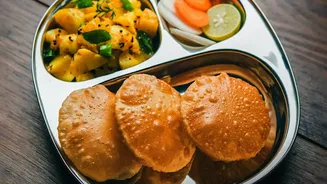
Many traditional Indian breakfasts like poha, upma, or idli are carb-centric. The headline's wisdom—'portion-aware' breakfasts—is crucial here. It’s not about eliminating these beloved dishes but re-engineering the plate. For instance, idli or poha can have a high glycemic index (GI), meaning they can raise blood sugar quickly if eaten in large quantities on their own. However, by reducing the portion of the idli or poha and adding a generous side of protein-rich sambar, sprouts, or a boiled egg, you lower the overall glycemic impact of the meal. The 'plate method' is a great visual guide: fill half your plate with non-starchy vegetables, a quarter with protein, and only a quarter with carbohydrates like rice or roti. This shifts the focus from restriction to balance.
Quick and Smart Breakfast Ideas
A blood-sugar-friendly breakfast doesn't have to be complicated or time-consuming. Here are a few quick ideas: Besan or Moong Dal Chilla: These savoury pancakes made from gram or lentil flour are naturally high in protein and fibre. You can make the batter ahead of time. Just add finely chopped vegetables like onions, tomatoes, and spinach for extra fibre and nutrients. Serve with a side of plain curd. Eggs with Vegetables: Eggs are a powerhouse of protein with minimal carbs. A quick scramble or omelette loaded with vegetables is a fantastic option. For a more traditional touch, an egg bhurji (scramble with Indian spices) served with one small whole-grain roti is a balanced meal. Paneer Bhurji: For vegetarians, scrambled paneer is an excellent high-protein alternative to eggs. Sauté crumbled paneer with onions, tomatoes, and spices for a filling and quick breakfast that has very little impact on blood sugar. Sprouts Chaat: This no-cook option is perfect for busy mornings. Combine a bowl of steamed or raw moong sprouts with chopped cucumber, tomato, and onion. Add a squeeze of lemon and a pinch of chaat masala. It's packed with fibre and protein.
Foods to Limit, Not Necessarily Eliminate
While the focus is on what to add, it’s wise to be mindful of items that can quickly derail your efforts. Sugary breakfast cereals, biscuits, white bread, and fruit juices are common culprits. These foods are typically high in refined carbohydrates and sugar and lack the protein, fibre, and fat needed to slow glucose absorption, leading to the very spikes you want to avoid. Even healthy foods can raise blood sugar if the portion is too large. The key is moderation and pairing. Instead of a glass of fruit juice, eat the whole fruit to get the benefit of its fibre. Instead of a plain paratha, stuff it with paneer or dal and use less oil.