





The mere mention of 'cardio' can evoke images of monotonous treadmill runs. But what if staying heart-healthy could be fun? Enter dancing and swimming: two dynamic activities that trade drudgery for delight. Let's compare them to see which fits you best.
The Low-Impact Champion: Swimming
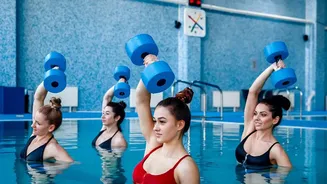
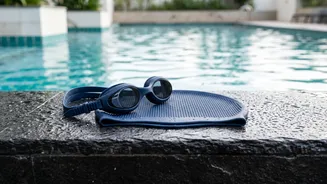
Swimming is often hailed as a near-perfect exercise, and for good reason. It provides a full-body workout that is exceptionally gentle on the joints. The buoyancy of water supports your body weight, which can make movement easier and more comfortable, especially for individuals with arthritis, joint pain, or those recovering from injury. But low-impact doesn't mean low-intensity. The water's natural resistance forces your muscles to work harder to push and pull your body through it, building strength and endurance simultaneously. This activity strengthens your heart and improves circulation, and because it requires breath control, it also enhances lung capacity over time.
The Rhythmic Heart-Booster: Dancing
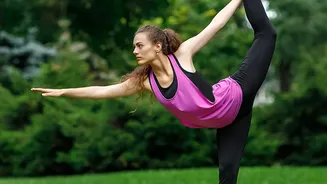
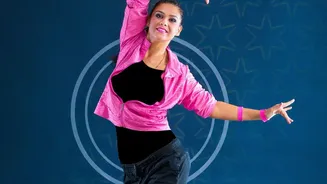
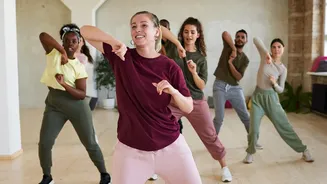
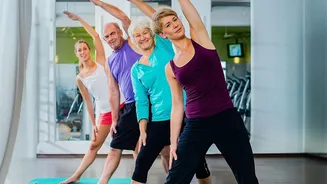
Dancing is a powerful and joyful way to get your heart pumping. Whether it's a structured salsa class or a freestyle session in your living room, the continuous movement elevates your heart rate and improves blood flow. Many forms of dance, from hip-hop to Zumba, are considered vigorous aerobic exercise. Beyond the cardiovascular benefits, dancing challenges your body in unique ways. It involves moving in all directions, with constant acceleration and deceleration, which improves coordination, balance, and agility. Some studies even suggest that the mental effort of learning new steps and sequences can boost cognitive function. Plus, the combination of music and movement is a known mood-lifter, releasing endorphins that can reduce stress and feelings of fatigue.
Head-to-Head: Calorie Burn
When it comes to burning calories, the answer isn't straightforward, as intensity is the key factor for both activities. However, some research gives dancing a slight edge. One study found that contemporary, street, and swing dancing can burn more calories per hour than moderate swimming. An hour of vigorous dancing might burn over 500-600 calories. On the other hand, swimming is no slouch. A leisurely swim may burn a couple hundred calories an hour, but a vigorous freestyle or butterfly stroke can burn anywhere from 500 to over 900 calories. Ultimately, the activity you can perform with greater intensity for a sustained period will yield a higher calorie burn for you.
Muscle Toning and Strength
Both activities provide a fantastic full body workout, but they target muscles differently. Swimming is renowned for creating long, lean muscles. Strokes like freestyle and backstroke heavily engage the core, back, shoulders, and arms, while the flutter kick works the hip flexors and legs. Breaststroke and butterfly activate the chest, glutes, and inner thighs more intensely. Dancing, being a weight bearing exercise, is excellent for building bone density, something swimming doesn't offer. Different dance styles work different muscles. Ballet is exceptional for building powerful legs and core strength, while styles like hip hop involve quick, explosive movements that build power in the glutes and quads.
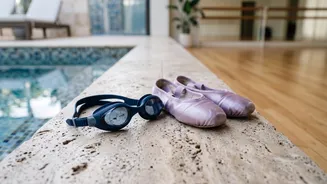
Here , the practicalities can often be the deciding factor . Dancing holds an advantage in accessibility ; you can do it anywhere , anytime , with no equipment necessary . Free tutorials are widely available online , making it an extremely budget - friendly option . Formal classes , of course , come with a cost . Swimming requires access to a pool , which can involve membership fees or pay - per - use charges . While a basic swimsuit and goggles are affordable , the cost can escalate significantly for those who get into competitive swimming , with high - tech suits costing hundreds of dollars . However , for many , the cost of pool access is a worthwhile investment for a consistent , low - impact workout .