




The Couch is the New Default
Not long ago, a trip to the multiplex was a regular, almost casual, activity. Now, it’s an event. The primary reason for this change is the unprecedented convenience and affordability offered by streaming platforms like Netflix, Disney+, and Amazon Prime.
With vast libraries of content available at the touch of a button, the default setting for movie-watching has shifted from the cinema hall to the living room. Why brave traffic, pay for tickets, and buy expensive popcorn for a romantic comedy or a family drama when you can watch it comfortably at home, often included in a subscription you already pay for? This has forced a fundamental recalculation in the audience's mind: a film must offer something extraordinary to justify the effort and expense of a theatrical outing.
What is a 'Visual Spectacle'?
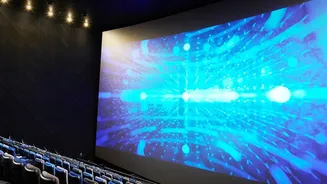
The term 'visual spectacle' has become the benchmark for a film that demands to be seen on the biggest screen possible. These are movies where the visual and auditory experience is a core part of the storytelling. Think of the groundbreaking special effects in the 'Avatar' series, the immense scale and sound design of 'Dune', or the explosive, practically-shot action sequences in 'Top Gun: Maverick' and the 'Mission: Impossible' franchise. A spectacle film is an impressive, striking, or extraordinary visual display that is designed to create a sense of wonder. It's not just about a big budget; it’s about creating an immersive experience that a home setup, no matter how good, simply cannot replicate. The use of premium formats like IMAX further elevates this, making the theatre a crucial part of the product itself.
The Economics of Event Cinema
Hollywood studios have adapted to this new reality by fundamentally changing their release strategies. They are pouring hundreds of millions of dollars into massive 'tentpole' films, knowing these are the safest bets to draw large crowds and generate significant box office revenue. Films that fall into the mid-budget category—dramas, comedies, and non-franchise thrillers—are increasingly being sold directly to streaming services. This creates a self-fulfilling prophecy: as audiences primarily venture out for blockbusters, studios produce more blockbusters for theatrical release, further cementing the multiplex's role as a venue for event films. While overall cinema attendance has declined from pre-streaming peaks, recent box office reports show that when the right slate of high-impact films is released, audiences show up in huge numbers, suggesting the theatrical model isn't dead, but specialised.
More Than Just Visuals
While stunning visuals are the main draw, the appeal of a theatrical event isn't purely technical. It's also deeply communal. The shared experience of watching a major movie in a packed theatre is a powerful social ritual. The collective gasps during a jump scare in a horror movie, the shared laughter at a perfectly timed joke, or the eruption of applause at a triumphant moment are all part of the magic. This communal energy enhances the viewing experience in a way that watching alone at home cannot. Furthermore, there is a sense of cultural urgency; being part of the global conversation around a new 'Spider-Man' or Christopher Nolan film as it happens is a powerful motivator, driven by a fear of missing out and having the plot spoiled.