




Why Your Diet Needs More Fibre
Dietary fibre is a type of carbohydrate that our bodies can't digest. Instead of breaking down, it passes through our system, aiding digestion and promoting overall wellness. Experts recommend that most adults consume between 25 to 38 grams of fibre daily.
A high-fibre diet helps maintain regular bowel movements, preventing constipation. It also plays a key role in managing blood sugar levels, lowering cholesterol, and can help you feel fuller for longer, which aids in weight management. Consuming enough fibre is linked to a lower risk of several health conditions, including heart disease and type 2 diabetes.
The Power of Pulses and Dals
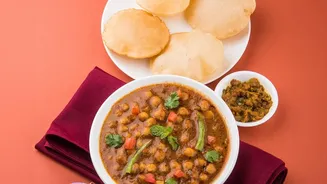
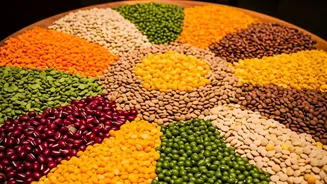
Dal is a cornerstone of Indian cuisine and, fortunately, a fantastic source of fibre. A single serving can pack a significant punch. For instance, a cup of cooked dal can contain around 15 grams of fibre. Lentils like moong, masoor, and toor dal are all excellent choices. Beyond dal, other legumes like chickpeas (chana) and kidney beans (rajma) are also fibre powerhouses. Including a katori of dal or a serving of chole with your main meals is one of the easiest and most traditional ways to boost your daily fibre intake significantly.
Go for Guava and Other Fruits
When it comes to fibre-rich fruits, guava (amrood) is a true superstar. A single medium-sized guava can provide over 5 grams of fibre, making it one of the highest-fibre fruits commonly available in India. Much of this beneficial fibre is found in the skin, so it's best to eat it whole. But the list doesn't end there. Pears, apples (with the skin on), bananas, and papayas are other delicious and easily accessible fruits that can contribute to your daily fibre goals. Choosing a whole fruit over a glass of juice ensures you get all the structural fibre that is otherwise lost.
Embrace Whole Grains and Millets
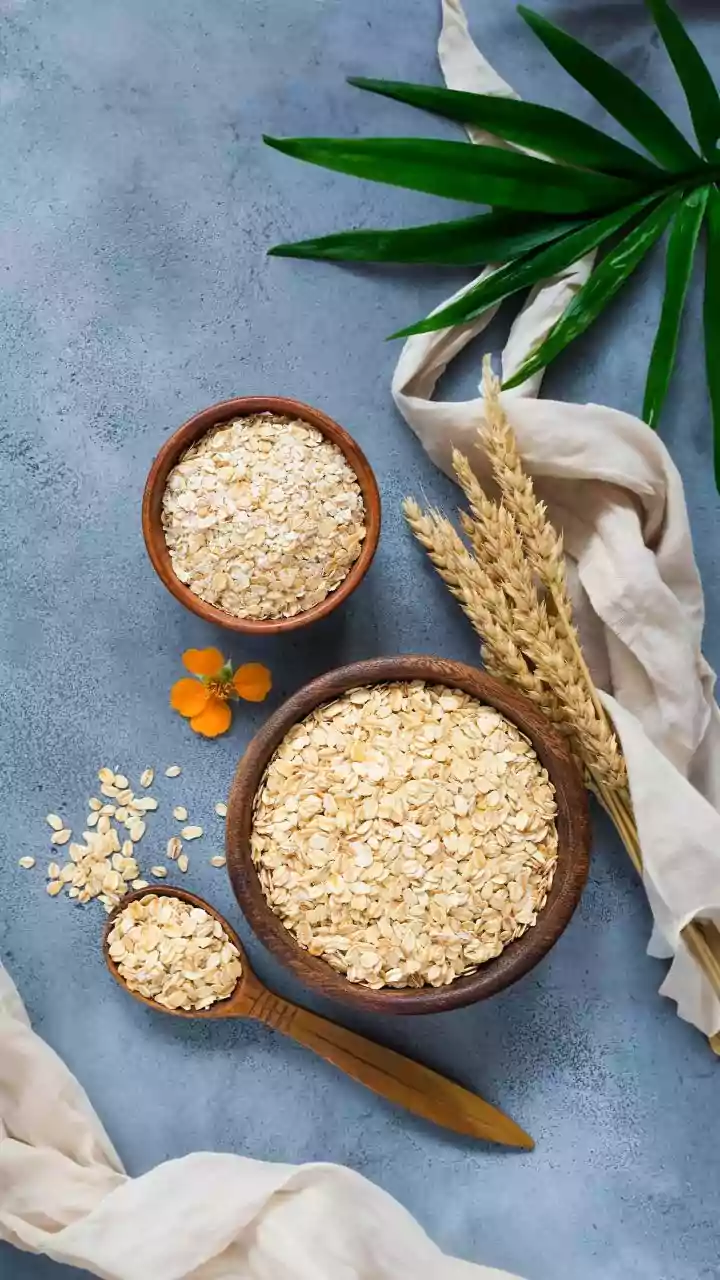
Making the switch from refined grains to whole grains is a simple yet effective strategy. Choosing whole wheat atta for your rotis instead of refined flour (maida) makes a noticeable difference. Similarly, opting for brown rice over white rice can increase your meal's fibre content. Don't forget about India's rich tradition of millets. Grains like jowar (sorghum), bajra (pearl millet), and ragi (finger millet) are not only packed with nutrients but also high in dietary fibre. Mixing these millet flours into your regular chapati dough is a great way to add variety and fibre.
Fill Your Plate with Vegetables
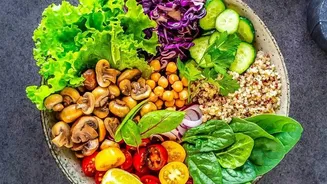
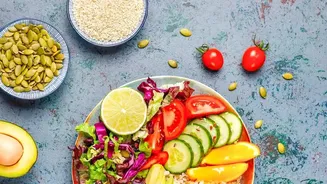
Vegetables are a versatile and flavourful way to add more fibre to your diet. Familiar favourites like green peas (matar), carrots, sweet potatoes, and cluster beans (guvar fali) are all good sources. Leafy greens like spinach (palak) and fenugreek (methi) also contribute to your fibre intake while providing a host of other vitamins. A simple rule of thumb is to try and fill half of your plate with vegetables at lunch and dinner. This could be in the form of a sabzi, a hearty salad, or even by adding grated vegetables into parathas or dal.
Smart Swaps and Simple Additions
Increasing your fibre doesn't require a complete diet overhaul. Small, consistent changes can make a big impact. For your snack time, consider swapping processed namkeen for a handful of roasted chana or peanuts. You can also sprinkle a spoonful of flax seeds or chia seeds onto your curd, porridge, or smoothies for an effortless fibre boost. Remember to increase your fibre intake gradually and drink plenty of water throughout the day, as fibre needs water to work effectively in your digestive system.