


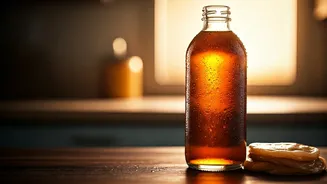




The Magic of Home-Brewed Kombucha
Kombucha has taken the health world by storm, and for good reason. This fermented tea is packed with probiotics, beneficial acids, and antioxidants. While store-bought bottles can be expensive and sometimes high in sugar, brewing at home puts you in complete
control. It's a rewarding, cost-effective hobby that transforms your kitchen into a mini-laboratory for wellness. The heart of the operation is the SCOBY (Symbiotic Culture of Bacteria and Yeast), a slightly strange-looking but magical disc that turns sweet tea into the tangy, effervescent drink you love. Don't be intimidated; this guide will walk you through every step.
Gathering Your Gear and Ingredients
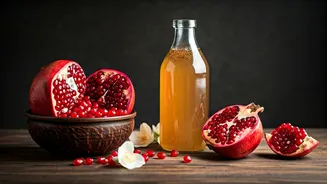
Before you begin, you'll need to assemble your kit. Most of these items are reusable, making this a sustainable hobby. **Equipment:** - One 4-litre glass jar - A breathable cloth cover (like cheesecloth or a clean tea towel) - A rubber band or string - A wooden or plastic spoon for stirring (avoid metal) - Swing-top glass bottles for the second fermentation - A small funnel **Ingredients:** - 1 SCOBY with at least 1 cup of starter tea (from a previous batch or purchased online) - 3 litres of filtered water - 1 cup of organic cane sugar (this is food for the SCOBY, not for you!) - 8 bags of black or green tea (or a mix) - 1 cup of 100% pomegranate juice (no sugar added) - 2-3 dried jasmine tea bags or 1 tablespoon of loose jasmine pearls
Step 1: The First Fermentation (F1)
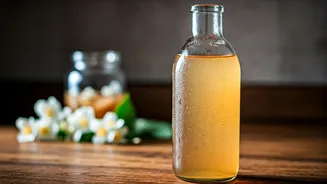
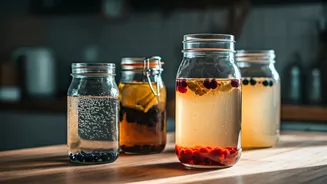
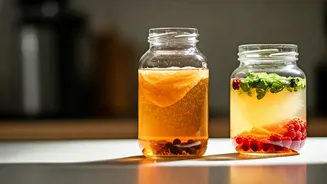
This is where you make the basic, unflavoured kombucha. Bring 1 litre of your filtered water to a boil. Remove from heat, add the sugar, and stir with your wooden spoon until it’s completely dissolved. Add the tea bags and let them steep for about 10-15 minutes. Remove the tea bags and add the remaining 2 litres of cool, filtered water. This should bring the mixture to room temperature. It's crucial that the tea is not hot when you add the SCOBY, as heat will kill the delicate microorganisms. Once cooled, pour the sweet tea into your large glass jar. Gently add your SCOBY and the starter tea. Cover the jar with the breathable cloth and secure it with a rubber band. Place the jar in a warm, dark place away from direct sunlight for 7-14 days. After 7 days, you can start tasting it. The longer it ferments, the more vinegary and less sweet it will become.
Step 2: Flavouring and Second Fermentation (F2)
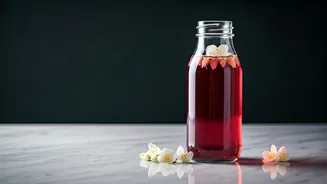
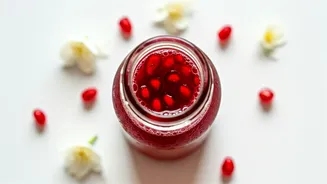
Once your F1 has reached a taste you enjoy (tart but still slightly sweet), it's time for the fun part: flavouring! Gently remove the SCOBY along with about 1-2 cups of the liquid to use as starter tea for your next batch. Now, let’s infuse the magic. Using your funnel, pour the pomegranate juice into your swing-top bottles, filling them about 1/5 of the way. Then, add the jasmine tea bags or pearls to each bottle. Top up the bottles with your fermented kombucha from the F1 stage, leaving about an inch of headspace at the top. Seal the bottles tightly. Let them sit at room temperature for another 2-4 days. This second fermentation is what creates the wonderful fizziness and deepens the flavour.
The Secret to 'Zero Sugar'
The term 'zero sugar' can be confusing. After all, you started with a full cup of sugar! Here’s the science: the sugar is not for you, it's for the SCOBY. During both the first and second fermentations, the yeast in the culture consumes the sugar and converts it into carbon dioxide (the fizz), alcohol (a trace amount), and beneficial organic acids. The longer you ferment, the more sugar is consumed. For a brew that is functionally zero-sugar, you can extend both F1 and F2. For F1, aim for a 14-21 day period, which will result in a very tart, vinegar-like base. For F2, letting it sit for 3-5 days will allow the yeast to consume the natural sugars from the pomegranate juice. The final product will be tangy and sharp, but virtually free of sugar.
Bottling, Storing, and Enjoying
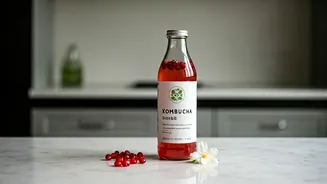
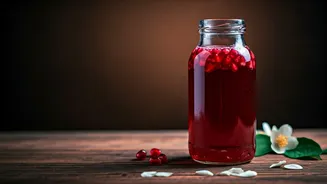
During F2, pressure builds up inside the bottles. It's essential to 'burp' them once a day to release excess CO2 and prevent any potential explosions. Simply open the lid briefly and then reseal it. After 2-4 days (or longer for a lower sugar content), your kombucha should be fizzy. Strain out the jasmine pearls if you used them, and place the bottles in the refrigerator. This will stop the fermentation process and chill your drink. Your homemade Pomegranate Jasmine Kombucha is now ready to be enjoyed! Serve it chilled, over ice, for a refreshing and sophisticated treat. It will last for several weeks in the fridge.