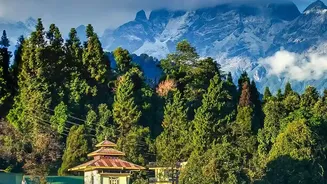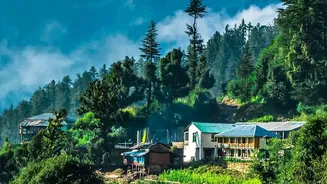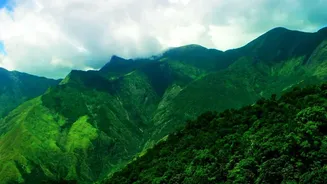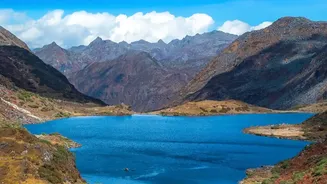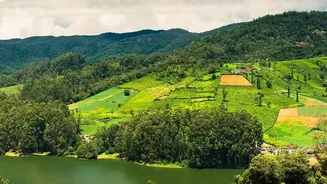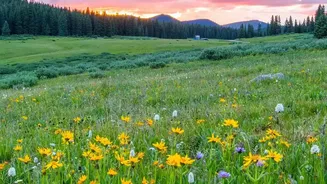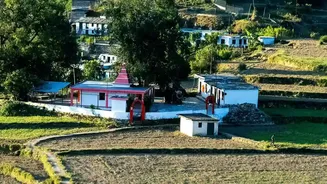




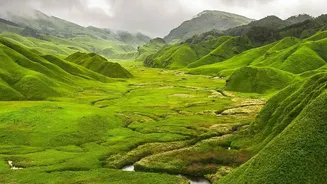

Imagine waking to the crisp Himalayan air, surrounded by misty mountains and terraced fields. In Sikkim, a unique form of travel is taking root, one that goes beyond sightseeing to create a deeper connection with the place and its people.
A Different Path to Discovery
While many travellers
are familiar with Sikkim's stunning landscapes, a growing number are choosing to experience it on foot, through guided village-to-village walks. This isn't about gruelling high-altitude trekking; rather, it’s a gentler, more intimate way to explore. These journeys involve walking along quiet trails that connect rural hamlets, often through lush forests, cardamom plantations, and terraced paddy fields. Instead of checking into a hotel, travellers stay in homestays—a room in a local family's house. This model of community-based tourism provides an authentic glimpse into the daily rhythms of Sikkimese life, from the food prepared in family kitchens to the local customs and traditions that define the region's unique cultural fabric. It transforms a simple holiday into a meaningful cultural exchange.
The Heart of the Experience: Homestays
The core of this experience lies in the homestay. In villages like Kewzing, Dzongu, and Yuksom, local families have opened their doors to visitors, offering not just a bed but a warm, genuine welcome. Staying in a homestay means sharing meals with the family, learning about their way of life, and perhaps even participating in daily activities like cooking or farming. This direct interaction is what sets village tourism apart. The revenue generated doesn't go to a distant corporation; it flows directly to the host family. This simple transaction has a profound impact, providing a vital source of alternative income that complements traditional agrarian livelihoods. These homestays are often supported by village tourism committees or local NGOs, ensuring that they meet standards of comfort and hygiene while retaining their authentic character.
How Your Walk Creates a Ripple Effect
The benefits of choosing a guided village walk extend far beyond a single household. This model creates a powerful ripple effect throughout the local economy. When you hire a local guide, their fee supports their family. When you stay in a community-run homestay, your payment helps fund education and improve living standards. This form of tourism creates jobs, particularly for the youth, reducing the need for them to migrate to cities in search of work. Furthermore, it creates a strong incentive for cultural and environmental preservation. When villagers see that their unique traditions, festivals, and pristine environment are valuable assets that attract respectful visitors, they are more motivated to protect them. This approach ensures that tourism becomes a force for conservation, not destruction.
Preserving Sikkim's Fragile Beauty
Sikkim is celebrated for its rich biodiversity and its status as India's first fully organic state. Community-based ecotourism is a perfect fit for this green ethos. Village trails have a low environmental impact compared to large-scale infrastructure projects. By design, this model limits the number of visitors to a manageable level, preventing the over-tourism that plagues many other beautiful destinations. In protected areas like Dzongu, the aboriginal Lepcha community has established its own rules, requiring visitors to be accompanied by local guides and ensuring that tourism revenue is shared across the village. This level of local control empowers communities to manage their resources sustainably, ensuring that the natural and cultural heritage that makes Sikkim so special is preserved for generations to come.
Getting Started on Your Journey
Planning a village-to-village walk in Sikkim is becoming increasingly accessible. Many local tour operators and community-based organisations specialise in these experiences. Regions like West and South Sikkim are well-known for their homestay networks in villages such as Kewzing, Darap, and Ravangla. The Dzongu region in North Sikkim offers a unique opportunity to experience the culture of the Lepcha community, though it requires a special permit. Walks can be tailored to different fitness levels and interests, from short, easy hikes between villages to more extended journeys. The best time to go is typically during the spring (March to May) and autumn (October to November) when the weather is pleasant and the mountain views are clear. By booking through a reputable local agency or a village committee, you ensure your trip is both responsible and deeply rewarding.