



A Celestial Double Feature
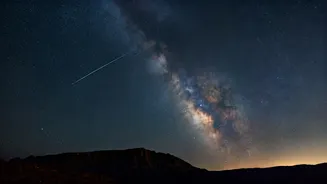
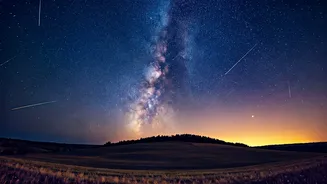
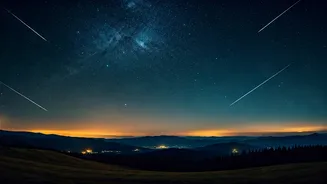
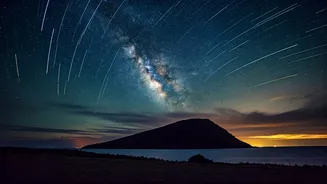
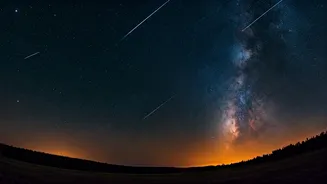
At the end of July, Earth passes through the debris trails of two different celestial objects, creating a pair of meteor showers that peak on the same night. The first is the Southern Delta Aquariids, which are active from mid-July to late August. These
are typically faint, medium-speed meteors originating from Comet 96P/Machholz. The second is the Alpha Capricornids, active from early July to mid-August. While this shower produces fewer meteors, it's known for its bright, slow-moving fireballs, which can be spectacular to witness. This overlap provides a unique opportunity to see two different types of shooting stars in one viewing session.
When and Where to Look
Both the Southern Delta Aquariids and the Alpha Capricornids are set to reach their peak activity on the night of July 30-31, 2026. The best viewing times are generally after midnight, once the radiant point—the area in the sky where the meteors appear to originate—is high above the horizon. For these showers, the radiants are in the constellations Aquarius and Capricornus respectively, located in the southern part of the sky for observers in India. However, you don't need to stare at one spot; meteors can appear anywhere in the sky.
The Challenge: A Bright Moon and Monsoon Skies
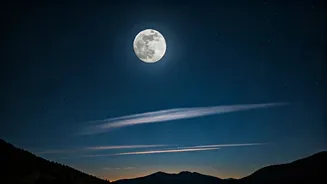
This year presents two significant challenges for viewers. First, the peak of the showers coincides with a nearly full moon, which will be about 98% illuminated. The bright moonlight can wash out many of the fainter meteors, making them difficult to see. To counter this, try to observe from the shadow of a building or tree to block the direct glare of the moon. The second challenge, particularly for much of India, is the monsoon season. Cloudy skies can completely obstruct the view. It's crucial to check local weather forecasts and be prepared to be flexible. If you have the option, traveling to an area with a clearer forecast, such as arid western regions or high-altitude locations like Ladakh, can dramatically increase your chances.
The Art of Patience: How to Truly See the Show
Meteor watching is a waiting game, and patience is essential. It can take up to 20-30 minutes for your eyes to fully adapt to the darkness, a necessary step to spot the fainter streaks of light. Avoid looking at your phone or other light sources, as even a quick glance can reset your night vision. The meteors themselves often come in spurts, with periods of calm in between. Don't get discouraged if you don't see anything for several minutes. The key is to settle in for at least an hour, allowing yourself time to catch the random, beautiful moments when they happen.
Your Viewing Toolkit for a Successful Night
Comfort is key to a successful night of meteor watching. Since you'll be looking up for a long time, a reclining lawn chair or a thick blanket to lie on is a must. Even in summer, nights can get cool, so dressing in layers and bringing a warm beverage is a good idea. You won’t need a telescope or binoculars, as their narrow fields of view are not suited for catching the wide, unpredictable streaks of meteors; your naked eyes are the best tool for the job. If you need a light, use a flashlight covered with red cellophane to preserve your night vision.