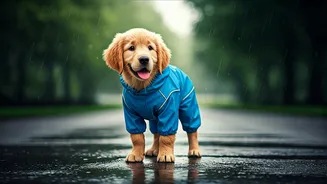

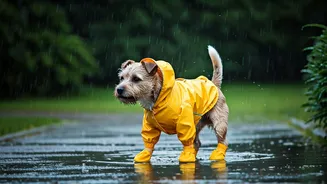
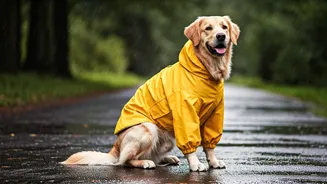


Monsoon Woes for Pets
As the rain arrives, so do a host of challenges for our canine companions. Constant dampness does more than just make a mess indoors. When a dog's fur remains wet for extended periods, it creates a warm, moist environment perfect for bacterial and fungal
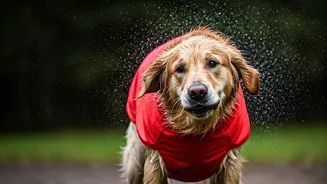
growth. This can lead to painful skin infections, hot spots, and persistent itching. Breeds with thick double coats may seem protected, but their dense fur can trap moisture against the skin, making them surprisingly vulnerable. Conversely, short-haired breeds, senior dogs, and puppies have less natural insulation and can get chilled easily, potentially leading to respiratory issues. Beyond the health concerns, there's the daily hassle of towelling down a muddy pet after every single walk and the constant cleaning that follows.
The Custom-Fit Advantage
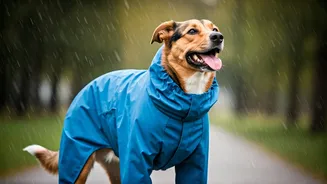
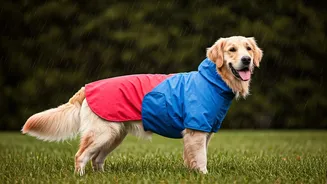
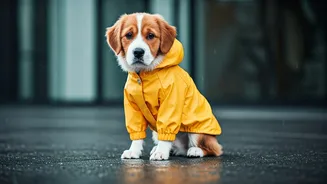
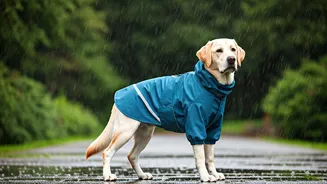
While any raincoat is better than none, off-the-shelf options often fail to provide adequate protection. They can be too tight in the chest, too short on the back, or too loose around the neck, leaving significant areas exposed to rain. This is where the “ultimate trick” comes in: a custom-fit raincoat. A tailored coat is designed to match your dog's specific measurements, ensuring complete coverage from the base of the neck to the tail. This snug, but not restrictive, fit prevents water from seeping in and ensures freedom of movement, so your dog can walk, run, and relieve themselves without feeling hampered. For breeds with unique body shapes, like dachshunds with their long bodies or pugs with their broad chests, a custom fit isn't a luxury—it's a necessity for true comfort and protection.
Decoding the Fabric
The effectiveness of a raincoat hinges on its material. You need a fabric that is waterproof, not just water-resistant, to handle a proper downpour. Look for materials like polyester or nylon, which are excellent at repelling water while remaining lightweight. In India's humid monsoon climate, breathability is just as important as waterproofing. A non-breathable material, like heavy rubber or PVC, can trap heat and moisture, making your dog uncomfortable and negating the benefits. A good custom raincoat will often use a breathable, waterproof shell, sometimes with a lightweight mesh lining to enhance airflow and prevent the coat from sticking to your dog’s fur. Avoid materials like fleece or flannel on the exterior, as they will just soak up water.
Function Over Frills
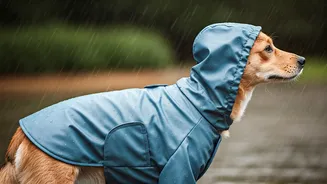
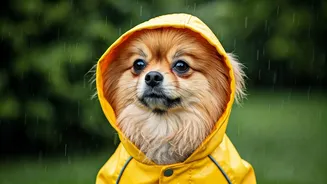
When commissioning or choosing a custom raincoat, certain functional features are non-negotiable. Full belly coverage is crucial for keeping your dog's underside clean and dry, especially for shorter breeds that are closer to the ground. A well-designed opening for a leash or harness is essential for maintaining control during walks. An adjustable hood can be a great addition to protect your dog's head and prevent water from getting into their ears, which can help avoid ear infections. Finally, consider a coat with reflective strips. On grey, overcast days or for evening walks, reflective elements dramatically increase your dog's visibility to traffic, adding a vital layer of safety.
Measuring for Success
Getting a custom coat requires accurate measurements. While each maker may have slightly different requirements, you will almost always need three core measurements. First, the back length, measured from the base of the neck (where the collar sits) to the base of the tail. This is often the primary measurement for sizing. Second, the chest girth, which is the circumference of the widest part of your dog's torso, typically just behind the front legs. This is crucial for ensuring a good fit. Third, the neck girth. Use a soft measuring tape and ensure your dog is standing naturally. Keep the tape snug but not tight—you should be able to fit two fingers underneath. When in doubt, it’s often better to size up slightly, as adjustable straps can accommodate a looser fit, but a coat that's too small is unusable.