





The Great Escape from Urban Heat
The annual migration from India’s sweltering metropolitan centres to the cooler climes of the Himalayas is a familiar story. But this year, the trend has a distinct flavour. Instead of the polished comfort of traditional hill station hotels, a significant
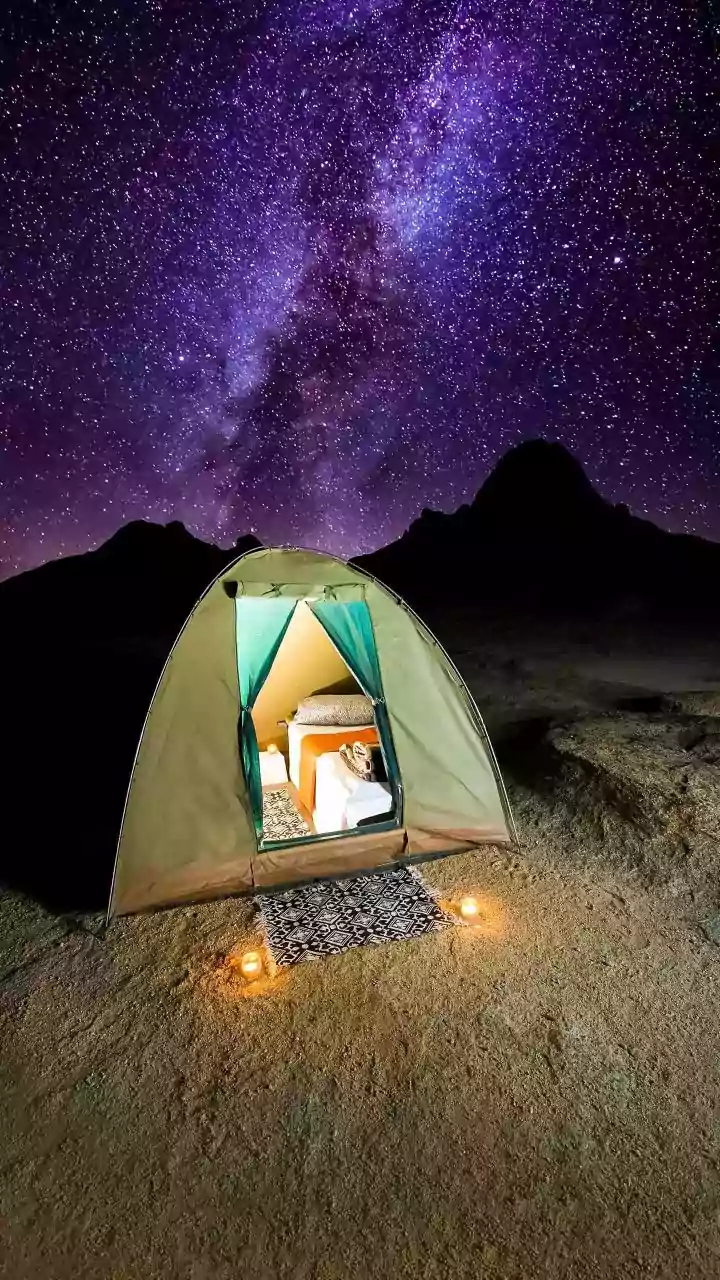
number of young professionals and students are opting for something more rustic and immersive. They are flocking to Kasol, the unofficial capital of the Parvati Valley, driven by a desire to trade concrete jungles and oppressive heatwaves for crisp mountain air, the sound of a rushing river, and a star-studded sky. This isn't just a vacation; for many, it's a necessary reset from the high-stress, high-temperature reality of urban life.
Why Campsites Over Hotels?
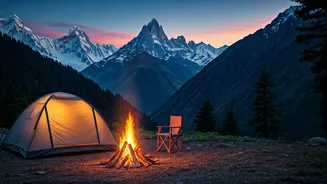
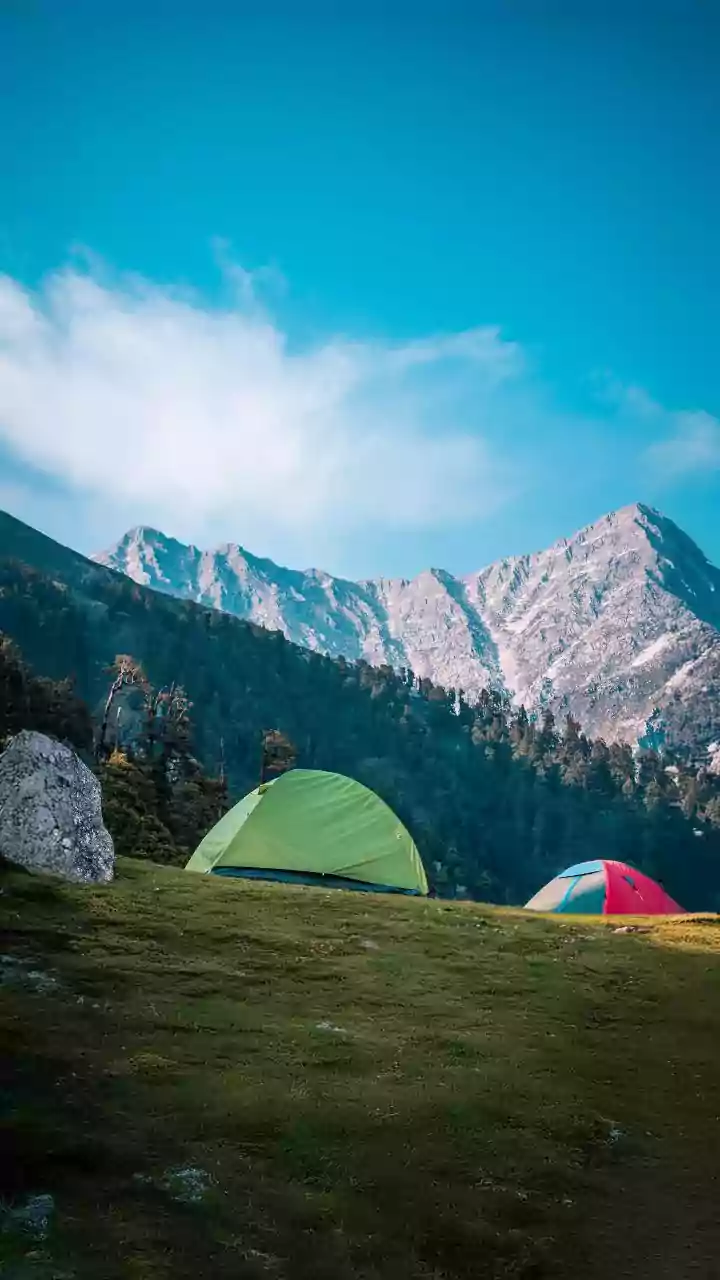
The shift towards campsites is driven by a cocktail of affordability, community, and a craving for authenticity. For the price of a single night in a mid-range hotel in Shimla or Manali, one can often secure several nights at a well-managed campsite in Kasol. These sites, dotting the banks of the Parvati from Jari to Chalal, offer a spectrum of options—from basic bring-your-own-tent spots to pre-pitched tents with attached washrooms. But beyond the budget-friendly appeal lies a deeper desire for connection. Campfires become communal gathering spots where travellers from different cities share stories, music, and a sense of camaraderie that is often absent in the formal corridors of a hotel. It’s an experience that prioritises shared moments over solitary luxury.
Parvati Valley's Enduring Mystique
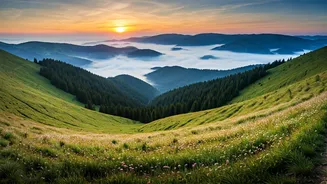
Kasol has long held a mythical status in India's travel lore. Once a quiet hamlet on the backpacker trail to Malana and Tosh, it has transformed into a bustling hub that attracts a diverse crowd. Its reputation as 'Mini Israel' and a haven for psychedelic culture still lingers, but the modern Kasol visitor is just as likely to be a tech professional on a workation or a college group on a shoestring budget. The valley's stunning natural beauty—pine-clad mountains, turquoise rivers, and hidden waterfalls—remains the primary draw. The campsites tap directly into this allure, offering front-row seats to nature's spectacle in a way a hotel room rarely can.
The Reality of Riverside Camping
While idyllic, the camping experience comes with its own set of realities. Newcomers should be prepared for fluctuating amenities. While many campsites offer basics like clean linen, charging points, and Wi-Fi, connectivity can be patchy and hot water sporadic. The social atmosphere is a major plus for many, but those seeking absolute solitude might find the constant hum of activity and music from neighbouring camps a bit much, especially on weekends. It's an adventure, and with any adventure comes a degree of unpredictability. The key is to manage expectations: you are trading the sterile perfection of a hotel for the raw, unfiltered beauty of the outdoors.
A Practical Guide for the First-Timer
Thinking of joining the exodus? A little preparation goes a long way. First, book your campsite in advance, especially for long weekends, as the best spots fill up fast. Pack in layers; days can be warm, but nights get chilly, even in summer. A good pair of walking shoes is non-negotiable for exploring nearby villages like Chalal, Katagla, or taking a day trip to Tosh. Carry a portable power bank, as electricity can be unreliable. While UPI is widely accepted in Kasol's main market, carrying enough cash is crucial for smaller cafes and treks further into the valley. Finally, respect the local culture and the fragile environment. The valley's beauty is its biggest asset—help keep it that way.