




More Than Just a Plate of Pakoras
For generations, the arrival of the monsoon in India has been a multi-sensory experience. It’s the rumble of thunder, the cool breeze after a sweltering summer, and, crucially, the smell of specific foods wafting from the kitchen. While classics like
crisp pakoras, chai, and roasted corn on the cob (bhutta) have always been monsoon staples, a deeper, more intentional trend is emerging. Families across the country are looking beyond mere cravings and consciously reviving a whole ecosystem of traditional monsoon-specific foods. This isn't just about nostalgia; it’s a deliberate return to dietary practices rooted in seasonal logic and ancient health wisdom.
The Wisdom of Eating Seasonally
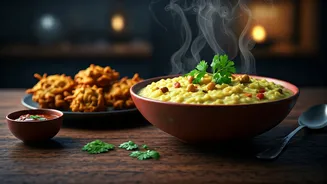
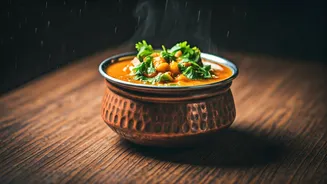
At the heart of this revival is the time-tested wisdom of Ayurveda. Traditional Indian medicine posits that the monsoon season, or 'Varsha Ritu', is a time when the body's digestive fire ('agni') is at its weakest. The damp, humid weather can aggravate 'Vata' and 'Pitta' doshas, making the body susceptible to infections, indigestion, and joint pain. Consequently, traditional monsoon diets were designed to counteract these effects. The emphasis was on light, freshly cooked, and easily digestible meals. Foods that are sour, salty, and warming were preferred. This explains the prevalence of dishes like moong dal khichdi, which is gentle on the stomach, and the use of digestive spices like ginger, black pepper, and asafoetida (hing) in cooking. It also explains the avoidance of leafy green vegetables, which can be laden with mud and microbes during this season, in favour of gourds like lauki (bottle gourd) and parval (pointed gourd).
A Renaissance of Regional Delicacies
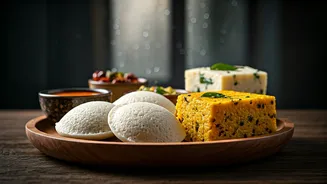
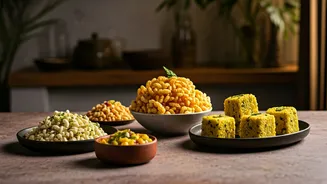
This movement is also bringing regional and hyper-local specialities back to the forefront. In Maharashtra and Gujarat, kitchens come alive with the preparation of 'patrode' or 'pattarveliya,' a savoury roll made from colocasia leaves smeared with a spiced gram flour paste, then steamed and fried. These leaves are only available during the monsoon. In the Western Ghats, people forage for wild, seasonal mushrooms and 'kurkuri bhindi' (crispy fried okra) becomes a household favourite. In Bengal, the rainy season is synonymous with Ilish maach (Hilsa fish), a delicacy whose unique flavour is said to be at its peak during the monsoons. By reviving these dishes, families are not just cooking food; they are reconnecting with their specific cultural and ecological heritage, celebrating ingredients that nature provides at just the right time.
Why the Comeback, and Why Now?
Several factors are fuelling this culinary renaissance. The global wellness movement has made people more conscious of what they eat, leading many to explore traditional Indian dietary systems that have always prioritized seasonal and mindful eating. The COVID-19 pandemic, in particular, accelerated this trend, with a heightened focus on immunity-boosting foods and home-cooking. Furthermore, social media has played a pivotal role. Food bloggers, chefs, and home cooks are sharing heirloom recipes and a wealth of information about the benefits of these monsoon foods, making ancient knowledge accessible and appealing to a younger generation. This digital conversation has transformed grandmother’s advice into a modern lifestyle choice, bridging the gap between generations.