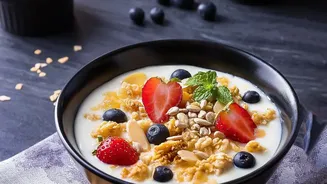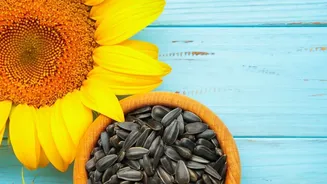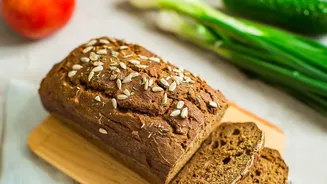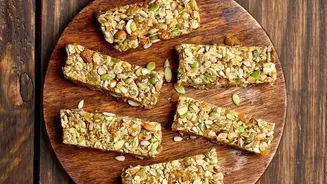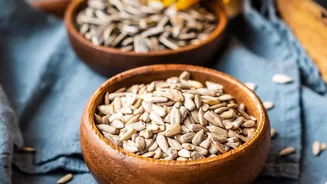



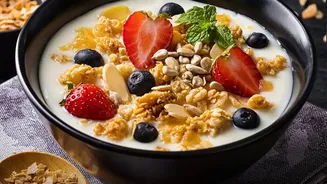
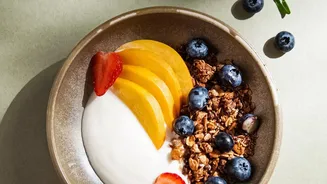
That sprinkle of seeds over your morning yoghurt and fruit does more than just add a satisfying crunch. Among the most popular choices are sunflower seeds, a tiny yet mighty addition that packs a serious nutritional punch.
A Tiny Nutritional Powerhouse
Often overlooked, sunflower seeds
are incredibly nutrient-dense. A standard one-ounce (about 30 grams) serving is a treasure trove of essential vitamins and minerals. They are an excellent source of vitamin E, a powerful antioxidant that protects cells from damage. They are also rich in healthy fats, primarily monounsaturated and polyunsaturated fats, which are beneficial for heart health. Furthermore, these seeds provide a good dose of plant-based protein and dietary fibre, which helps with digestion and promotes a feeling of fullness. Key minerals like magnesium, selenium, zinc, and iron are also abundant, supporting everything from your immune system to bone health and energy levels.
The Health Benefits in Every Bite
Incorporating sunflower seeds into your diet can offer several tangible health advantages. Their high content of vitamin E and other antioxidants like selenium helps combat oxidative stress and reduce inflammation in the body. The healthy fats, including linoleic acid, coupled with magnesium, can help manage blood pressure and lower 'bad' LDL cholesterol levels, contributing to overall cardiovascular wellness. Some studies even suggest that daily consumption of sunflower seeds may help regulate blood sugar levels, making them a smart choice for many. The presence of zinc and selenium also provides a boost to the immune system, helping your body fend off infections.
Finding the Right Balance
While sunflower seeds are healthy, they are also calorie-dense. A one-ounce (about 30-gram) serving contains around 160-180 calories. Therefore, moderation is key to reaping the benefits without unintentionally causing weight gain. A daily portion of about one-quarter cup of shelled seeds is a widely recommended amount that delivers nutrients without excessive calories. It is also important to be mindful of traces of cadmium, a heavy metal that sunflowers can absorb from the soil. While the amounts in a reasonable serving are not considered harmful, excessive consumption over a long period could pose a risk to kidney health.
Raw vs. Roasted: Which to Choose?
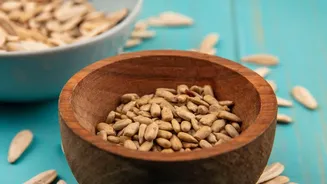
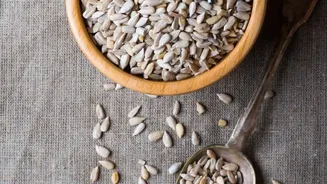
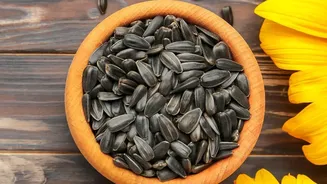
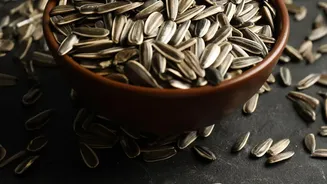
You will typically find sunflower seeds in raw or roasted forms. Raw seeds retain all their nutrients but have a milder flavour. Roasting enhances their nutty taste and crunchy texture, which many people prefer. Nutritionally, the difference isn't significant, but the preparation method matters. Many commercially roasted seeds are loaded with salt, which can counteract the heart-healthy benefits. When possible, opt for raw or dry roasted, unsalted varieties to get the maximum health benefits. If you buy them shelled, you are ready to go. If you are feeling adventurous and buy them in the shell, just be prepared for a bit more work.
Storing for Freshness
Due to their high fat content, sunflower seeds can go rancid if not stored properly. To maintain their freshness, it is best to keep them in an airtight container in a cool, dark, and dry place like a pantry. For longer term storage, the refrigerator is an excellent option, as the cool temperature helps preserve the healthy oils. Properly stored, shelled sunflower seeds can last for several months. If you notice a sharp, bitter or 'off' smell, it is a sign they have gone bad and should be discarded.